Good karaage is easy. Great karaage, the kind that stays crispy for ages and bursts with savory-sweet flavor, is a different story. I’ve made a lot of mediocre fried chicken over the years. Soggy coating, bland meat, you name it.
After testing what feels like a hundred variations, I’ve nailed down a method that works every single time. Forget the complicated stuff. This guide is about the practical, often-overlooked details that make all the difference.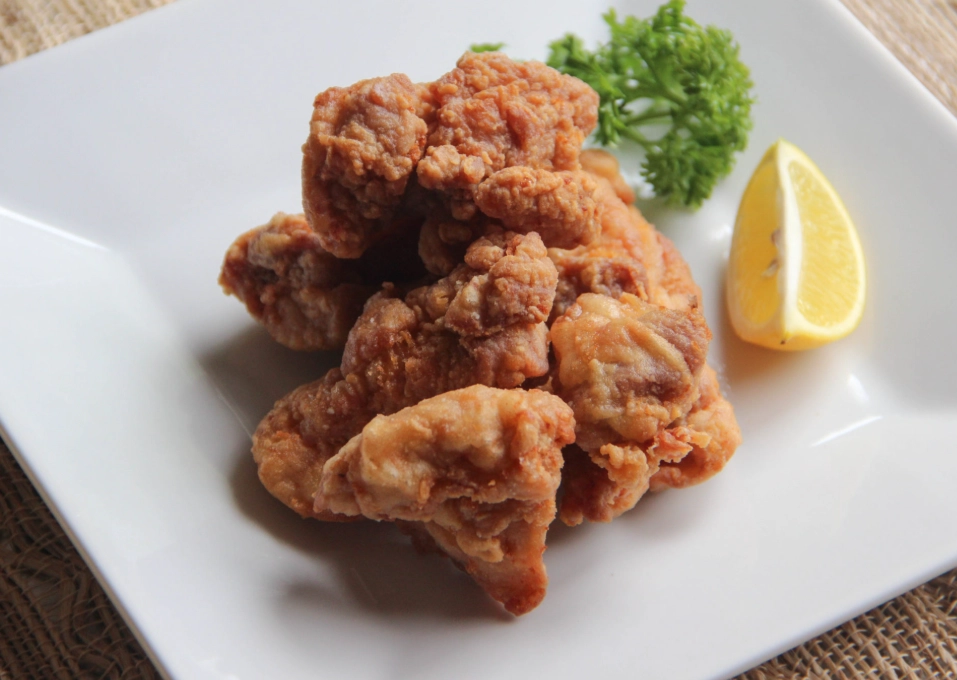
What’s Inside This Guide
What Is Karaage, Really?
Let's clear this up first. Karaage (唐揚げ) refers to a Japanese cooking technique where bite-sized pieces of meat or fish are lightly coated in starch and deep-fried. When people say "karaage chicken," they specifically mean tori no karaage.
It’s not just "Japanese fried chicken." The magic is in the marinade—a mix of soy sauce, sake, ginger, and garlic—and the super-light, craggy coating, usually potato starch or a mix with flour.
Texture is king. You want a shatteringly crisp exterior that gives way to incredibly juicy, flavorful meat. That’s the goal.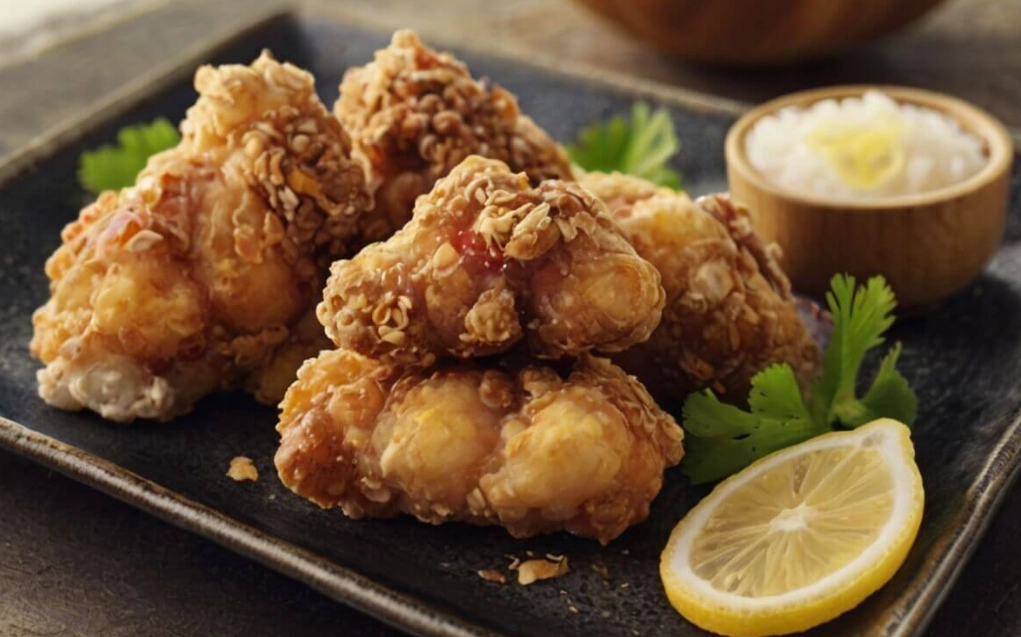
The Non-Negotiable Ingredients for Perfect Karaage
You can't build a great dish with subpar parts. Here’s what you need and why each one matters.
The Core Components
The Chicken: This is the biggest make-or-break. Boneless, skin-on chicken thighs. Full stop. Breast meat dries out too fast. The skin fries up into the most delicious, crispy layer imaginable and keeps the meat underneath succulent. About 1.5 lbs (700g) serves 3-4 people.
The Marinade: This is your flavor engine.
- Soy Sauce: Use a good-quality Japanese soy sauce like Kikkoman. It provides salt and deep umami.
- Sake: Not just for drinking. It tenderizes the meat and adds a subtle sweetness. If you must substitute, dry sherry is okay, but sake is best.
- Fresh Ginger & Garlic: Grate them. Don’t mince. Grating creates a paste that clings to the chicken better and infuses more flavor.
- A Touch of Sugar: Just a teaspoon. It balances the saltiness and aids in browning.
The Coating: Potato starch (katakuriko). Cornstarch is a common substitute, but potato starch creates a uniquely crisp, airy, and slightly translucent crust that stays crunchy longer. You can find it in any Asian grocery or online.
The Oil: A neutral oil with a high smoke point. Canola, peanut, or vegetable oil are perfect. Don't use olive oil.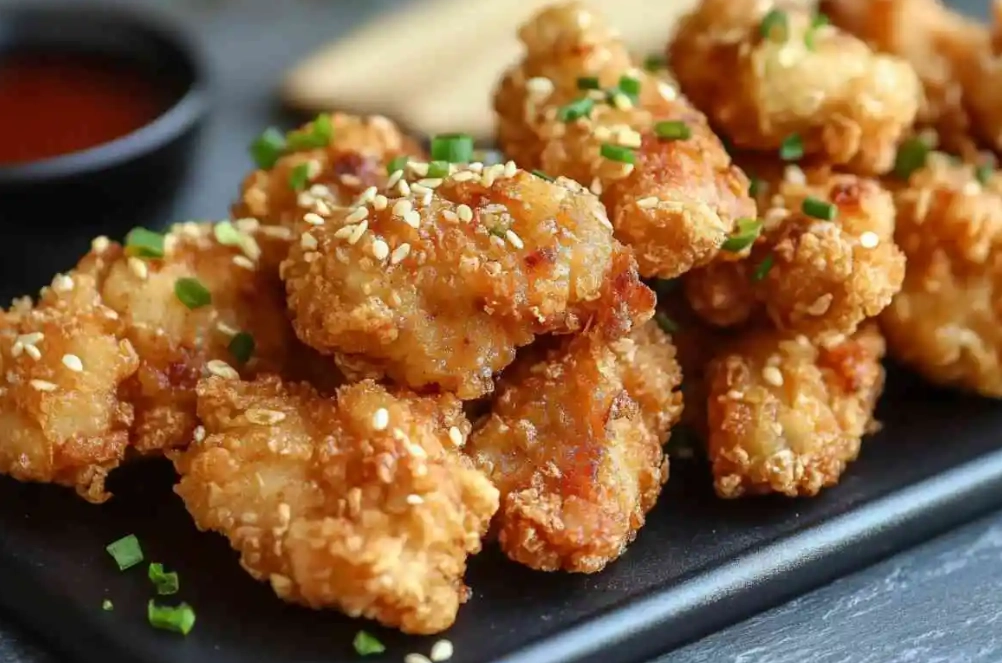
Step-by-Step: How to Make Karaage Recipe Chicken
Follow this sequence. Timing and temperature are everything.
1. Cutting and Marinating
Cut the thighs into 1.5-inch bite-sized pieces. Don't make them too small, or they'll overcook. Don't make them huge, or the coating won't cover enough surface area.
Mix the marinade in a bowl: 3 tbsp soy sauce, 2 tbsp sake, 1 tbsp freshly grated ginger, 1 tbsp freshly grated garlic, 1 tsp sugar. Add the chicken, massage it well, cover, and refrigerate. Here’s the thing: 30 minutes is the sweet spot. Marinate overnight, and the soy sauce will start to "cook" the exterior of the chicken, giving it a weird, cured texture. 30 minutes to 2 hours is perfect.
2. Dredging and Resting
Drain the chicken from the marinade. Don't pat it dry. You want it slightly wet. Put a generous cup of potato starch in a large bowl or tray.
Toss a few pieces of chicken in the starch at a time, pressing and tossing to ensure every nook is coated. Shake off the excess and place them on a wire rack. Let them sit for 5-10 minutes. This lets the starch adhere and form a better seal.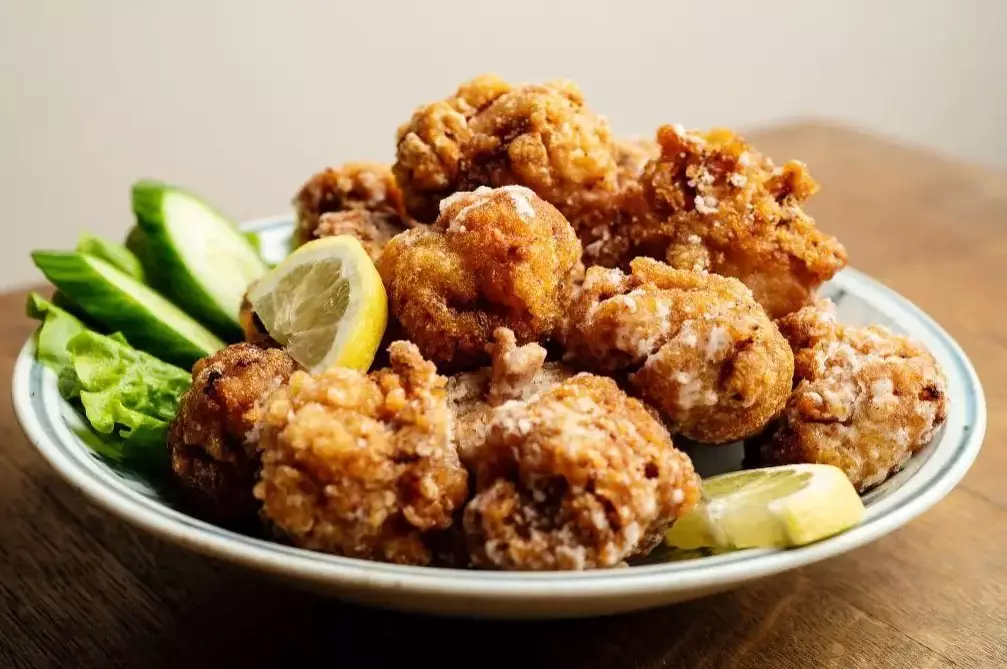
3. The Frying Process (Double-Fry Method)
Heat 2-3 inches of oil in a heavy pot (like a Dutch oven) to 325°F (160°C). Use a thermometer. Guessing leads to greasy chicken.
First Fry: Fry the pieces in batches for about 3-4 minutes. They won't be deeply golden yet. This stage cooks the chicken through gently. Remove and drain on a wire rack—not paper towels, which can trap steam and make the bottom soggy.
Let the chicken rest for at least 5 minutes. This is crucial.
Second Fry: Crank the oil heat to 350°F (175°C). Fry the pieces again for 1-2 minutes until they are a deep, golden brown and super crispy. This second blast sets the crust and removes any residual oil.
Serve immediately with lemon wedges and maybe a side of Japanese mayo.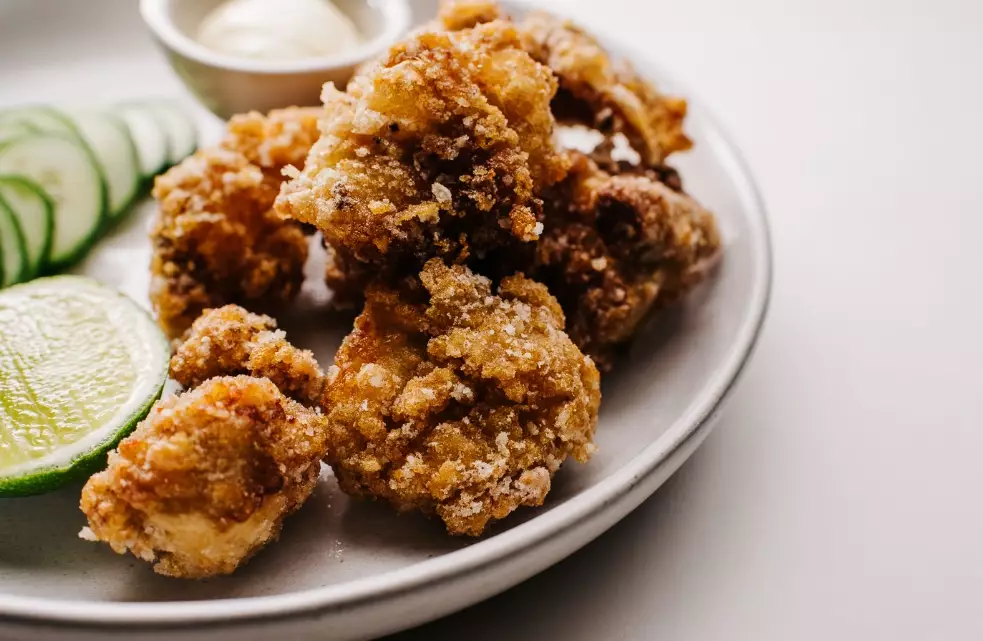
Expert Tricks & Common Karaage Mistakes
This is where most online recipes stop. Here’s what they don’t tell you.
| Common Mistake | Why It's a Problem | The Expert Fix |
|---|---|---|
| Using chicken breast | Very low fat content. Almost guaranteed to be dry and tough by the time the coating is crisp. | Stick with skin-on, boneless thighs. The fat renders, basting the meat from the inside. It’s foolproof. |
| Over-marinating | The soy sauce's acidity and salt start to denature the surface proteins, making the texture mealy and ham-like. | Marinate for 30 min to 2 hours max. For deeper flavor, add a pinch of MSG (aji-no-moto) to the marinade instead of marinating longer. |
| Adding baking powder/soda to the coating | A trendy "hack" for extra crispiness. It often leaves a faint, unpleasant chemical aftertaste. | Trust the double-fry method and potato starch. It provides all the crunch without any off-flavors. The science is in the starch gelatinization and double cooking. |
| Frying at one temperature | If the oil is too cool, the chicken absorbs oil. Too hot, the outside burns before the inside cooks. | Use the two-temperature double-fry method. Low temp to cook, high temp to crisp. A digital thermometer is your best friend here. |
| Draining on paper towels | Creates a steamy environment under the chicken, which is the enemy of crispiness. | Always use a wire rack over a sheet pan. This allows air to circulate all around, keeping every part crispy. |
Your Karaage Questions, Answered
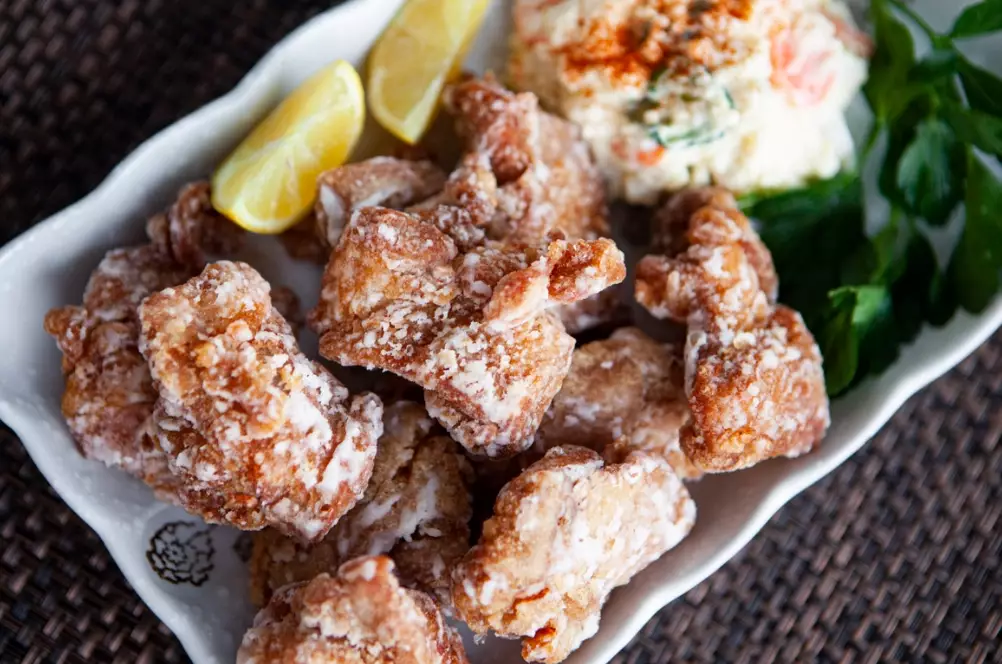 Is there an air fryer version that actually gets crispy?
Reader Comments