Quick Navigation
- Why This Japanese Katsu Curry Recipe Beats Takeout Every Time
- Gathering Your Arsenal: Ingredients for the Ultimate Homemade Curry
- The Step-by-Step Roadmap to Katsu Curry Perfection
- Assembly and Serving: Bringing It All Together
- Navigating the World of Japanese Curry Blocks: A Quick Comparison
- Your Japanese Katsu Curry Recipe Questions, Answered
- Final Thoughts: Making This Dish Your Own
Let's be honest. We've all had that moment. You're sitting in a cozy Japanese restaurant, the steam rising from a deep plate holding a golden, crispy cutlet smothered in a rich, savory, slightly sweet brown curry sauce. You take a bite, and it's pure comfort. Then you get the bill and think, "I wish I could make this at home." Well, you can. And it's not as hard as you might think.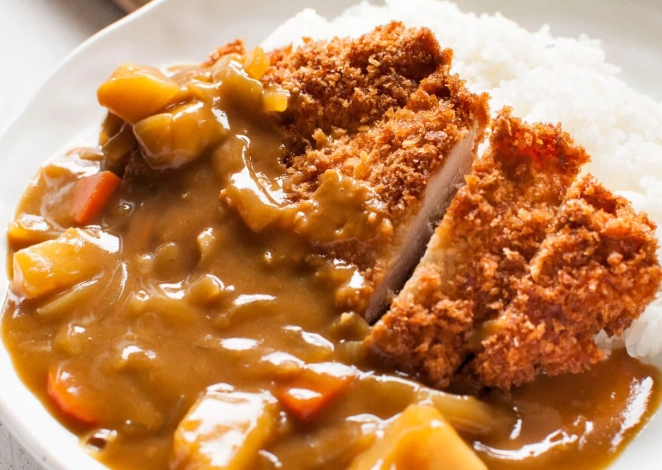
I remember my first attempt at a Japanese katsu curry recipe. It was a disaster. The curry was watery, the katsu was soggy, and I nearly set off the smoke alarm. But after years of tweaking, asking friends from Japan for tips, and maybe a few more minor kitchen emergencies, I've nailed down a process that works every single time. This isn't just a recipe; it's a blueprint for creating that restaurant-quality magic in your own kitchen. We're going to cover everything—from the secrets of a crispy, juicy cutlet to making your own curry roux from scratch (trust me, it's a game-changer).
Why This Japanese Katsu Curry Recipe Beats Takeout Every Time
What makes this dish so special? It's the perfect storm of textures and flavors. You've got the crunch of the panko-breaded cutlet, the tender meat inside, the velvety, complex curry sauce, and the soft rice that soaks it all up. It's hearty, satisfying, and strangely elegant in its simplicity.
Most recipes online just tell you to boil vegetables and add a store-bought curry block. And sure, that works in a pinch. But if you want depth of flavor, control over salt and spice, and that unbeatable homemade pride, taking a little extra time is worth it. The core of a great Japanese katsu curry recipe lies in building layers of flavor in the sauce and mastering the fry on the katsu.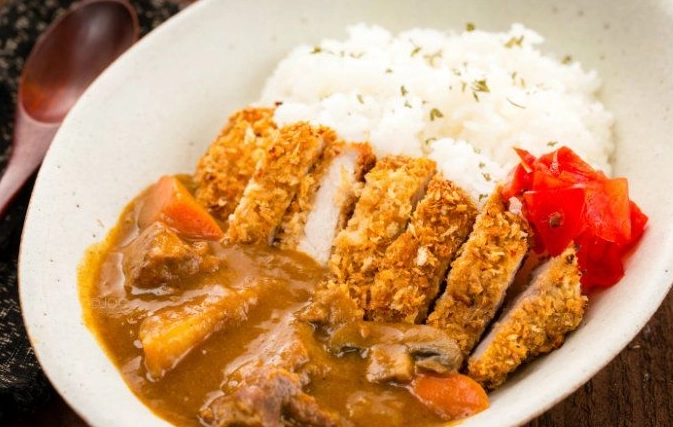
Think about it. When you make it yourself, you decide how thick the sauce is. You control the heat level. You can use organic chicken or the best pork loin you can find. You're not paying a huge markup for someone else to assemble it. Once you get the method down, it's actually a fantastic meal-prep dish—the curry sauce often tastes even better the next day.
Gathering Your Arsenal: Ingredients for the Ultimate Homemade Curry
For the Curry Sauce (The Heart of the Dish)
This is where the magic starts. Forget just water and a curry cube. We're building a base.
- Protein & Veggies: 2 boneless, skinless chicken thighs (or pork loin chops, about 1-inch thick). 1 large onion, thinly sliced. 2 carrots, cut into chunky bites. 1 large potato (Yukon Gold or russet), cubed. Sometimes I add a small apple, grated—it adds a subtle sweetness that's amazing.
- Aromatics & Base: 2 cloves garlic, minced. A 1-inch piece of ginger, grated. 1 tbsp neutral oil (like vegetable or canola). 4 cups of good-quality chicken or vegetable broth (low-sodium is best).
- For the Homemade Curry Roux (The Secret Weapon): 3 tbsp butter. ¼ cup all-purpose flour. 1.5 tbsp curry powder (use a Japanese brand like S&B if you can). ½ tsp garam masala. 1 tbsp tomato paste. 1 tbsp tonkatsu sauce or Worcestershire sauce. 1 tsp honey or sugar. Salt and black pepper to taste.
For the Katsu (The Star of the Show)
- 2 chicken thighs or pork cutlets (about 150g each), pounded to even ½-inch thickness.
- Salt and pepper.
- Breading Station: ¼ cup all-purpose flour. 1 large egg, beaten with a splash of water. 1.5 cups panko breadcrumbs (DO NOT use regular breadcrumbs—panko is non-negotiable for that signature crunch).
- Neutral oil for deep-frying (like canola or peanut oil), enough to come 1.5 inches up the side of your pot.
For Serving
Steamed short-grain Japanese rice. A handful of shredded cabbage for a fresh contrast. Some pickled ginger (beni shoga) if you're feeling fancy.
The Step-by-Step Roadmap to Katsu Curry Perfection
Don't get overwhelmed. We'll tackle this in two main acts: the curry sauce and the katsu. You can work on them in parallel if you're confident, but I recommend beginners make the sauce first, then focus on frying the katsu just before serving.
Act 1: Crafting the Rich, Homemade Curry Sauce
This process is about developing sweetness and depth before the liquid even goes in.
- Cook the Onions Low and Slow: This is the most important step most people rush. In a large pot or Dutch oven, heat the oil over medium-low heat. Add all the sliced onions and a pinch of salt. Cook, stirring occasionally, for a good 15-20 minutes until they are deeply golden brown, soft, and caramelized. Don't let them burn, but let them get really sticky and sweet. This builds an incredible flavor base for your Japanese katsu curry recipe.
- Add Aromatics & Veggies: Add the minced garlic and grated ginger. Cook for 1 minute until fragrant. Then, add the chopped carrots and potatoes. Stir to coat everything in those lovely onion juices.
- Simmer the Broth: Pour in the chicken or vegetable broth. Bring to a boil, then reduce heat to a simmer. Let it cook, uncovered, for about 20 minutes or until the carrots and potatoes are just tender.
- Make the Roux (The Game-Changer): While the veggies simmer, in a separate small saucepan, melt the butter over medium heat. Whisk in the flour and cook, whisking constantly, for about 3-4 minutes. You want it to be a light golden blonde color—this cooks out the raw flour taste. Reduce heat to low. Whisk in the curry powder and garam masala and cook for another 30 seconds until fragrant. Whisk in the tomato paste, tonkatsu sauce, and honey. It will form a very thick paste. This is your homemade curry roux.
- Marry the Roux and Broth: Ladle about one cup of the hot broth from the big pot into the roux pan. Whisk vigorously until completely smooth and no lumps remain. Now, pour this smooth mixture back into the big pot with the rest of the broth and vegetables. Stir well to combine.
- Final Simmer: Let the curry simmer on low for another 5-10 minutes. It will thicken beautifully. Taste it. This is where you adjust: need more salt? A pinch more sugar? A dash of black pepper? The sauce should be velvety and coat the back of a spoon. Turn off the heat and cover to keep warm.
See? Making the roux from scratch sounds fancy, but it's just cooking butter and flour, then adding spices. The difference in flavor compared to a store-bought block is night and day. You get a smoother, more nuanced sauce.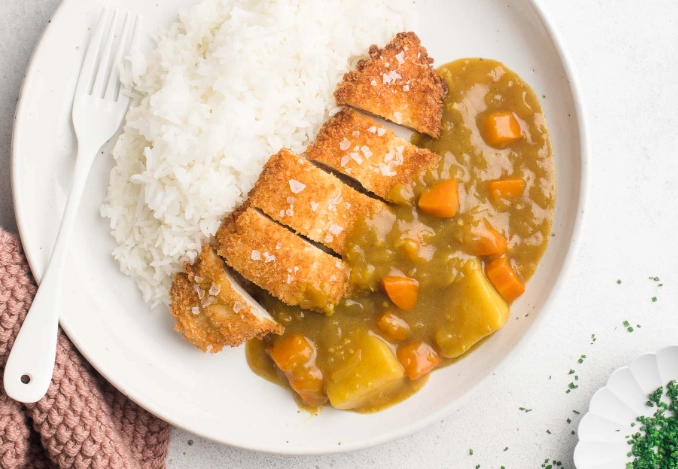
Act 2: Frying the Perfect, Crispy Katsu
Now for the main event. The key here is organization and oil temperature.
- Prep the Cutlets: Pat your chicken or pork completely dry with paper towels. Season both sides generously with salt and pepper. Set up your breading station in three shallow dishes: flour in one, beaten egg in the second, panko in the third.
- The Breading Ritual: Dredge a cutlet in the flour, shaking off any excess. Dip it completely in the egg, letting the excess drip off. Finally, press it firmly into the panko, coating every inch. Really press the panko on—this ensures a solid, crunchy crust. Place the breaded cutlet on a wire rack or plate. Repeat for the second cutlet.
- Heat the Oil: In a heavy-bottomed pot (like a Dutch oven), heat about 1.5 inches of oil to 340°F (170°C). If you don't have a thermometer, test by dropping a single panko breadcrumb in—it should sizzle vigorously and float to the top within a few seconds. Maintaining this temperature is crucial. Too hot, and the outside burns before the inside cooks. Too cool, and the katsu soaks up oil and gets greasy.
- Fry to Golden Glory: Gently lower one breaded cutlet into the hot oil. Don't crowd the pot—fry one at a time. It should bubble actively. Fry for about 5-6 minutes, turning once halfway, until it's a deep, uniform golden brown. For perfect cooking, I sometimes use a probe thermometer—the internal temperature should reach 165°F (74°C) for chicken or 145°F (63°C) for pork, followed by a rest.
- Drain and Rest: Use tongs to lift the katsu out, letting excess oil drip back into the pot. Place it on a wire rack set over a baking sheet (NOT on paper towels, which can trap steam and make the bottom soggy). Let it rest for 3-4 minutes before slicing. This allows the juices to redistribute.
Assembly and Serving: Bringing It All Together
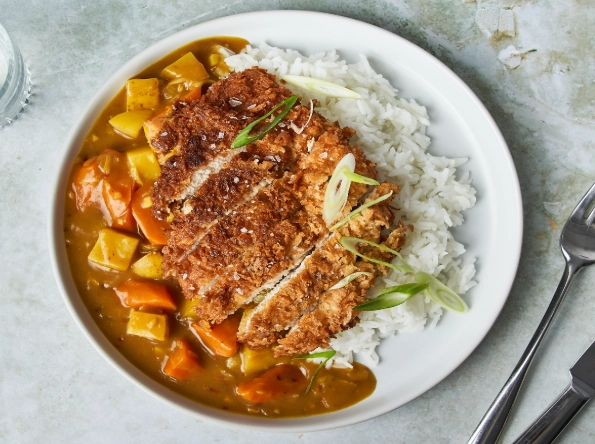
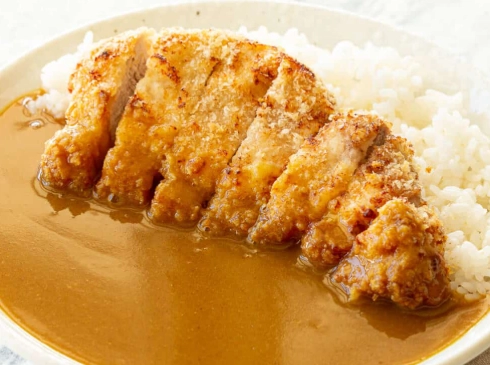
This is the fun part. Slice your rested katsu into 1-inch thick strips—you should hear a satisfying crunch. Place a generous mound of steamed rice on one side of a deep plate. Ladle the hot curry sauce next to it, making sure some of the carrots and potatoes are visible. Carefully arrange the sliced katsu on top of the curry, partially submerged. The idea is to keep one side of the katsu crispy while the other soaks up the sauce.
A small pile of finely shredded cabbage on the side adds a fresh, crisp contrast that cuts through the richness. A drizzle of tonkatsu sauce on the cabbage or a little dot of karashi (Japanese mustard) on the plate for dipping completes the picture.
Navigating the World of Japanese Curry Blocks: A Quick Comparison
Okay, I've sold you on the homemade roux. But let's be real—sometimes you're tired, it's 7 PM, and you just need dinner. Japanese curry blocks (roux) are a fantastic pantry staple and produce a very respectable result. Not all blocks are created equal, though. Here’s a breakdown of some common brands to help you choose.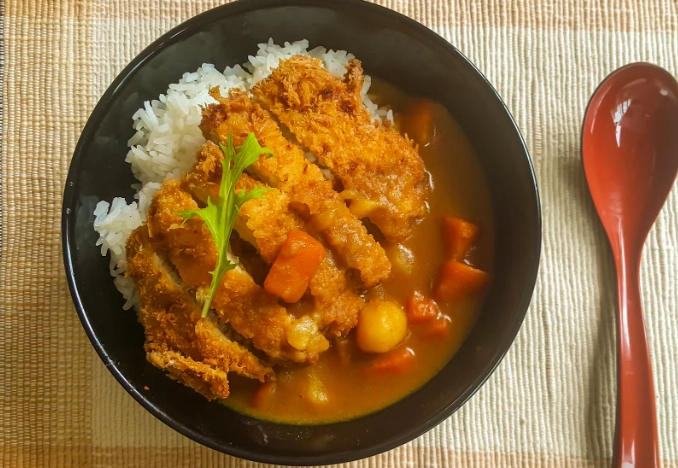
| Brand & Line | Spice Level | Flavor Profile | Best For |
|---|---|---|---|
| S&B Golden Curry (Mild, Medium, Hot) | Mild to Medium-Hot | Classic, well-balanced, slightly sweet. The most widely available globally. | Beginners, families, anyone who wants the standard, familiar taste. |
| House Vermont Curry | Very Mild | Distinctly sweet and mild, with apple and honey notes. Creamy texture. | Kids, people with very low spice tolerance, or those who prefer a sweet curry. |
| House Java Curry | Medium to Hot | Robust, spicy, with more savory and bitter notes (from roasted spices). Complex. | Adventurous eaters who want a more "grown-up," less sweet curry. |
| Glico Curry | Mild to Medium | Fruity and aromatic, with a focus on fruit and vegetable extracts. Smooth. | Those looking for a fruitier, more refined block curry flavor. |
If you're using a block, still follow the steps for caramelizing the onions and simmering the vegetables in broth. Then, simply break the curry roux blocks into the simmering pot and stir until dissolved. The blocks contain thickeners and seasonings, so you won't need to make a separate roux.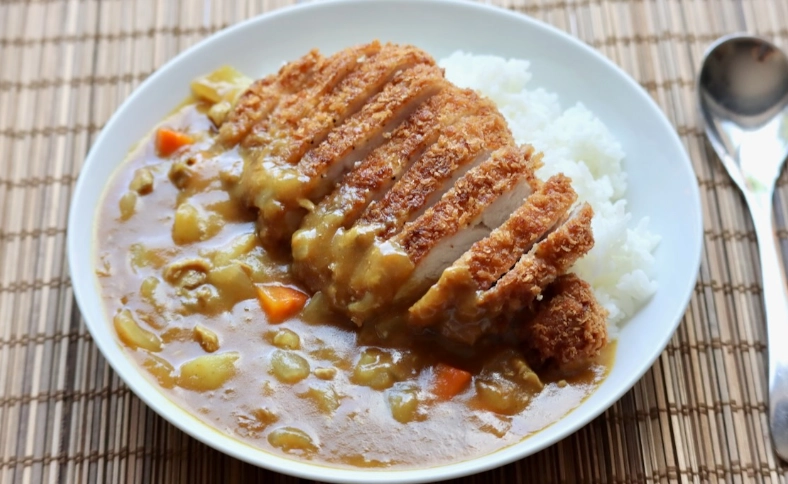
Your Japanese Katsu Curry Recipe Questions, Answered
Too thick: Simply whisk in hot water or broth, a few tablespoons at a time, until it reaches your desired consistency. Remember, it will thicken slightly as it cools.
Final Thoughts: Making This Dish Your Own
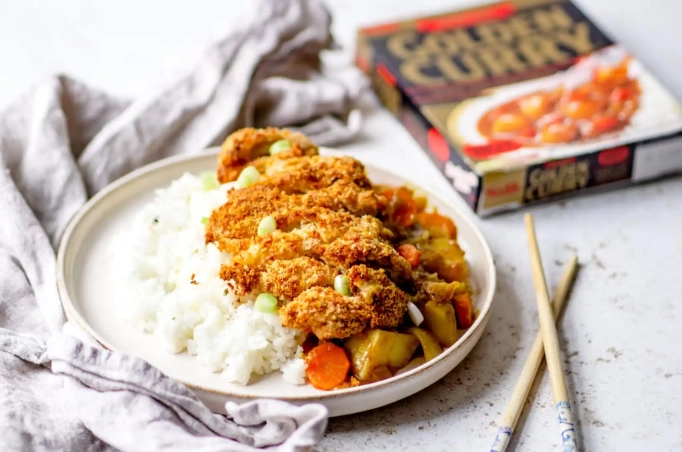
The beauty of a Japanese katsu curry recipe is its flexibility. Once you master the basic framework—the caramelized onion base, the roux (homemade or block), and the crispy katsu technique—the world is your oyster.
Want it spicier? Add a pinch of cayenne to your roux or use a hot curry block. Prefer it richer? Use a bit of coconut milk in place of some broth. Short on time? Use the block roux and an air fryer for the katsu. The goal is to get a delicious, comforting meal on the table that makes you happy.
I hope this guide demystifies the process. It might seem like a lot of steps the first time, but each one has a purpose. That purpose is flavor and texture. Before long, you'll be making this without even looking at a recipe, tweaking it to suit your taste, and impressing your friends and family with a dish that looks and tastes like it came from a professional kitchen.
So go on, give it a try. Heat up that oil, slice those onions thin, and get ready for one of the most satisfying cooking projects—and meals—you'll ever tackle.
Reader Comments