Quick Guide to Harumaki
So you want to know what Harumaki is made of. It seems simple, right? It's just a spring roll. But the first time I tried to make them at home, let me tell you, it was a disaster. The wrapper tore, the filling was soggy, and they came out of the oil looking more like abstract art than food. That experience sent me down a rabbit hole, talking to chefs, reading old cookbooks, and making a lot of (eventually successful) mess in my kitchen. The answer to what is Harumaki made of is more fascinating than you might think. It's not just a list of ingredients; it's about texture, technique, and a bit of culinary history.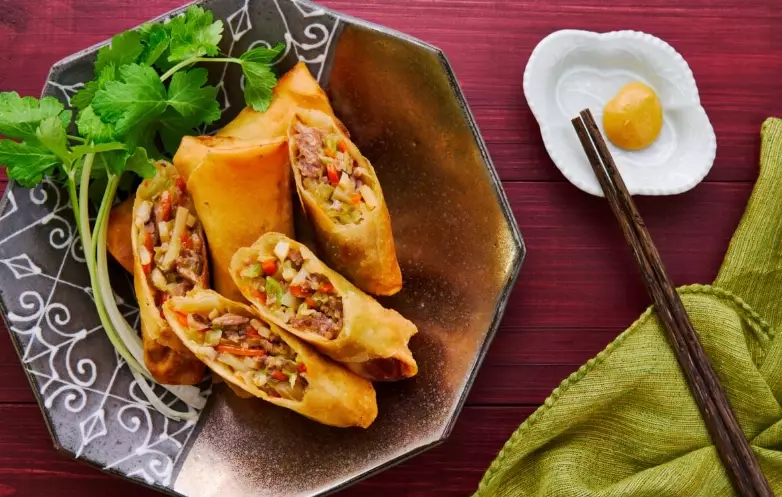
At its core, Harumaki is the Japanese adaptation of the Chinese spring roll. The name itself means "spring roll," but the Japanese version has developed its own identity over time. It's typically thinner, crispier, and often uses a specific blend of ingredients that feel lighter than some of its heavier, more stuffed cousins from other parts of Asia. If you've ever bitten into a perfect Harumaki, you know the magic: an audibly crisp, shattering shell that gives way to a hot, savory, and perfectly seasoned filling. Achieving that is all in the details of what it's made from.
The Core Answer: Fundamentally, what is Harumaki made of breaks down into two essential components: 1) A thin, unleavened wheat-flour-based wrapper, and 2) A cooked, savory filling—most classically featuring pork, cabbage, bamboo shoots, shiitake mushrooms, and carrots, seasoned with soy, sake, and sesame oil.
But that's just the textbook answer. The real story is in the variations, the tips, and the common pitfalls. Why do some wrappers bubble up beautifully while others stay leathery? Why does some filling taste bland and watery? We're going to get into all of that.
The Foundation: Deconstructing the Harumaki Wrapper
This is where most home cooks, myself included, face their first hurdle. The wrapper is everything. It's the protector of the filling and the source of that iconic crunch. Get this wrong, and you're basically just eating fried filling mush (not appealing).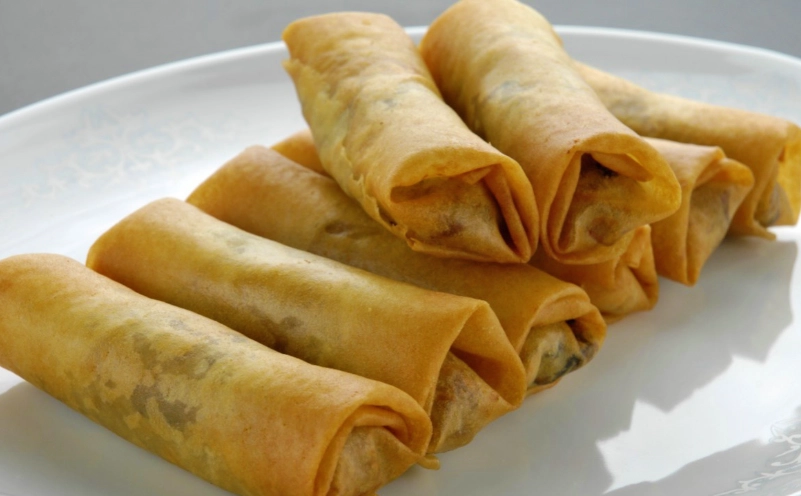
Authentic Harumaki wrappers are made from a very simple dough: just wheat flour, water, and a pinch of salt. Sometimes a little oil or egg is added for pliability. The magic isn't in the ingredients list, but in the process. The dough is mixed until very smooth, rested, and then skillfully dabbed onto a hot griddle to create paper-thin sheets. This technique requires a practiced hand. You can find these fresh, frozen, or pre-made in square or round shapes at Asian grocery stores.
I'll be honest: I don't make my own wrappers from scratch anymore. The few times I tried, the results were frustratingly thick and uneven. Now, I swear by a good quality frozen brand from my local Japanese market. The time saved is massive, and the consistency is perfect every time. Don't let purists guilt you—using store-bought wrappers is absolutely valid and common even in many households in Japan.
When you're shopping, you'll see different products. It's crucial to get the right one. "Spring roll pastry" or "Harumaki no kawa" (Harumaki skin) is what you want. Avoid "egg roll wrappers," which are often thicker and made with egg, resulting in a chewier, puffier texture. Also, steer clear of rice paper wrappers (used for Vietnamese fresh rolls); they're meant to be eaten soft, not fried.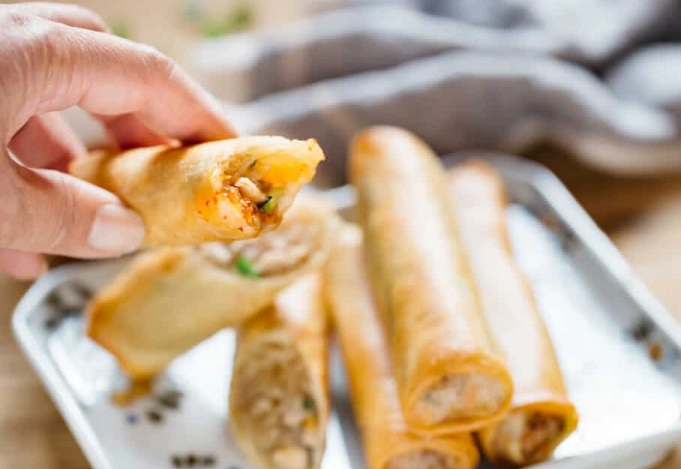
Types of Wrappers: A Quick Comparison
| Wrapper Type | Primary Ingredients | Texture When Fried | Best For | My Personal Take |
|---|---|---|---|---|
| Authentic Harumaki Wrapper | Wheat flour, water, salt | Extremely crisp, delicate, shatters easily | Classic Japanese Harumaki | The gold standard. Light as air. |
| Chinese Spring Roll Pastry | Wheat flour, water (sometimes egg) | Crisp, but can be slightly sturdier/thicker | A good substitute if Harumaki-specific isn't available | Works in a pinch, but the texture is noticeably different. |
| Egg Roll Wrapper | Wheat flour, eggs, water | Bubbly, puffier, chewier | American-style egg rolls | Too thick and bready for true Harumaki. Avoid for this purpose. |
| Rice Paper (Bánh Tráng) | Rice flour, water, salt | Becomes very hard and brittle when fried (not recommended) | Vietnamese Gỏi Cuốn (fresh, unfried rolls) | Do not fry these! It's a common mistake and creates an inedible, glass-like shell. |
Handling the wrappers is key. They dry out incredibly fast. Keep them under a damp cloth while you work, and only take out one at a time. If they crack at the edges, they've gotten too dry. A little spritz of water can sometimes help, but prevention is better.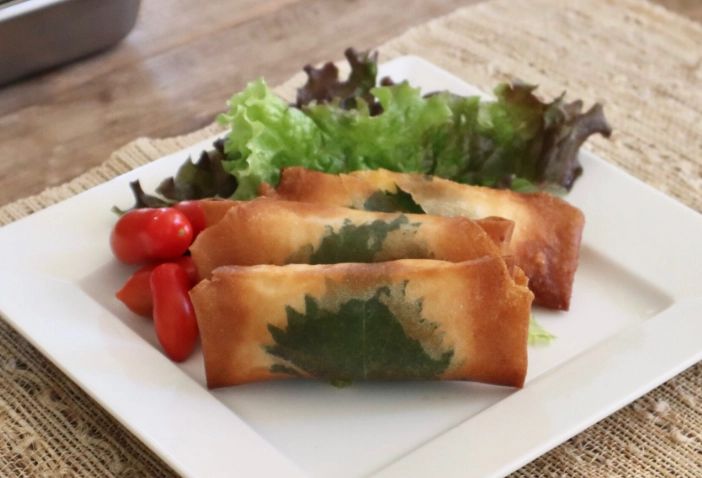
The Heart of the Matter: The Harumaki Filling
Now for the good stuff—the filling. This is where you answer the flavor part of what is Harumaki made of. The classic filling is a harmonious mix of textures and umami. It's always pre-cooked and cooled before wrapping. This is non-negotiable. Wrapping raw filling leads to excess moisture steaming inside the roll, resulting in a soggy interior and a wrapper that might burst from steam pressure.
The Classic Harumaki Filling Checklist:
- Protein: Finely minced or ground pork is the traditional choice. Its fat content adds flavor and moisture. Some versions use chicken, shrimp, or a combination.
- Vegetables (finely julienned or minced):
- Cabbage: The workhorse. It provides volume and a slight sweetness when cooked down.
- Carrots: For color and a hint of sweetness.
- Bamboo Shoots: Provides a crucial, distinct crunch and an earthy flavor. Don't skip this if you can help it.
- Dried Shiitake Mushrooms (rehydrated): This is the umami bomb. The soaking liquid can also be used in the seasoning. Fresh shiitake don't pack the same punch.
- Onions or Green Onions: For aromatic depth.
- Seasonings & Aromatics:
- Soy sauce (usukuchi/light soy is often preferred for color)
- Sake and/or mirin (for sweetness and complexity)
- Sesame oil (added at the end for fragrance)
- Grated ginger and garlic
- Salt and white pepper
- Binding Agent (optional but helpful): A small amount of cornstarch slurry mixed into the cooked filling helps bind the juices and prevents a loose, crumbly interior.
The cooking process for the filling is a quick stir-fry. You want to evaporate as much moisture as possible. I start by sautéing the aromatic ingredients (ginger, garlic), then browning the pork. The vegetables go in according to their cooking time—carrots and bamboo first, then cabbage and mushrooms. The seasonings are added last, and you cook everything until the pan is almost dry. Let it cool completely in a shallow dish. A warm filling will make your wrapper soggy and impossible to handle.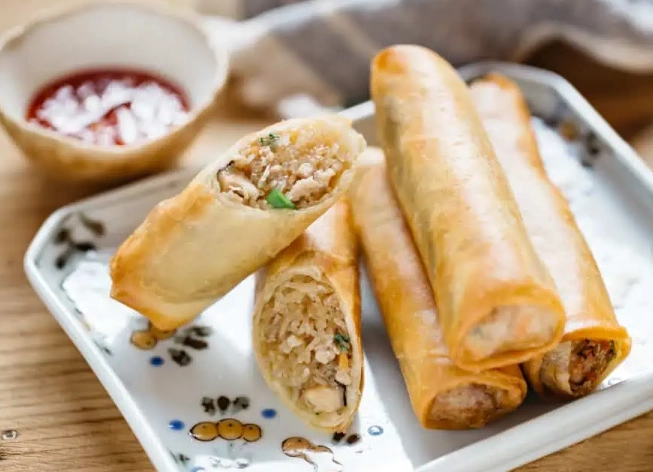
Pro Tip: The Moisture Test. Before you start wrapping, take a spoonful of your cooled filling and squeeze it gently in your fist over the sink. If a lot of liquid runs out, it's too wet. Return it to the pan and cook it down further. A perfectly dry filling is the secret to a crisp Harumaki.
Beyond the Classic: Modern Takes on What Harumaki is Made Of
While the pork and vegetable combo is king, what is Harumaki made of in modern kitchens can be much more creative. The format is versatile. Here are some popular variations I've tried and tested:
Cheese Harumaki: A fusion favorite. A mix of melted mozzarella and cream cheese, often with crab stick or corn. Incredibly indulgent and gooey when cut open. The key is to freeze the cheese filling solid before wrapping to prevent a catastrophic cheese leak during frying.
Curry Harumaki: Using leftover Japanese curry (the block kind, not the saucy stew) as a filling is genius. The flavors concentrate, and it's a fantastic way to use leftovers. Make sure the curry is very thick and chilled.
Dessert Harumaki: Yes, it's a thing. Fillings like sweet red bean paste (anko), banana with chocolate, or apple cinnamon work beautifully. Dust with powdered sugar or serve with ice cream. You need to be even more careful about moisture here.
Seafood-Only Harumaki: A lighter option with shrimp, scallops, and water chestnuts for crunch. Season with a touch of white soy and dashi.
The beauty is that once you master the wrapper technique and the moisture control, you can experiment. The core principles remain: dry filling, tight wrap, proper frying.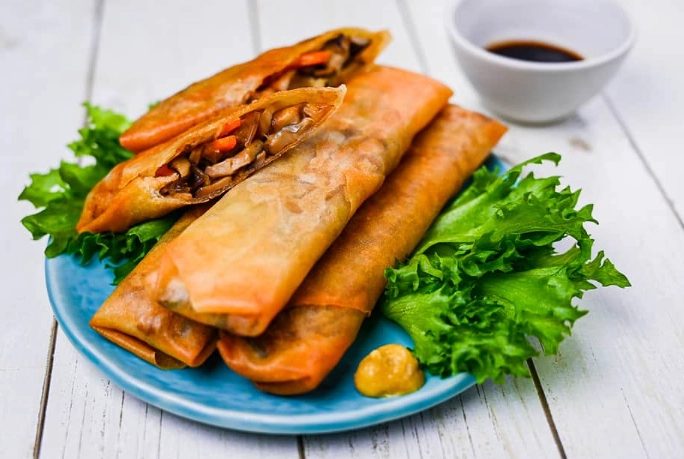
The Art of Assembly and Frying
Knowing what is Harumaki made of is only half the battle. Putting it together is the other. Lay your wrapper like a diamond. Place a modest amount of filling (about 2 tablespoons) near the bottom corner. Fold that corner over the filling, fold in the left and right sides, then roll it up tightly like a burrito. Use a dab of a paste made from flour and water (or just a bit of beaten egg white) as "glue" to seal the final corner. Roll it snugly, but don't strangle it—you don't want to tear the wrapper or squeeze filling out the ends.
Frying is the final transformation. Use a neutral oil with a high smoke point like canola, peanut, or vegetable oil. The temperature is critical. Too low (below 340°F/170°C), and the Harumaki will soak up oil and be greasy. Too high (above 365°F/185°C), and the wrapper will brown too quickly before the filling is heated through. I aim for a steady 350°F (175°C).
Fry in small batches to avoid crowding and temperature drops. Don't constantly move them around. Let them fry for 2-3 minutes per side until they are a uniform, beautiful golden brown. Drain them upright in a wire rack or basket, not on paper towels laid flat. This keeps the entire surface crisp. They are best eaten within 10-15 minutes, though they do re-crisp decently in an oven or air fryer.
Common Pitfall: The dreaded "burst roll." This usually happens because 1) The filling was too wet, creating steam pressure, 2) The oil temperature was too low, causing slow cooking and steam buildup, or 3) The roll was wrapped too tightly with no room for the filling to expand slightly. If a small leak happens, don't panic—just let it finish cooking. It'll still taste good, even if it looks a little rough.
Your Harumaki Questions, Answered (FAQ)
After all these years of making and eating them, here are the questions I get asked the most. They get to the heart of what people really want to know about what is Harumaki made of and how to handle it.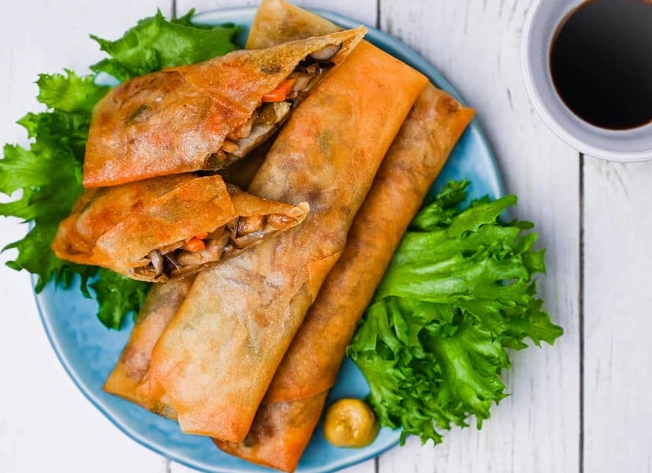
You can, but manage your expectations. Baking or air-frying will give you a drier, harder crispness rather than the light, bubbly, oily (in a good way) crisp from frying. To get the best baked result, brush or spray the rolls generously with oil and bake on a rack at a high temperature (400°F/200°C). They won't be identical, but they can be a very good, healthier alternative. The filling recipe remains exactly the same.
It's a spectrum, but generally, Japanese Harumaki wrappers are thinner and more delicate, leading to a finer, more shattering crunch. The filling is often simpler, lighter, and more finely chopped. Chinese spring roll wrappers can be slightly thicker, and the fillings can be more varied and sometimes include raw ingredients that cook during frying (like bean sprouts). The Japanese version also almost always uses a wheat-flour wrapper, while some regional Chinese versions might use different grains.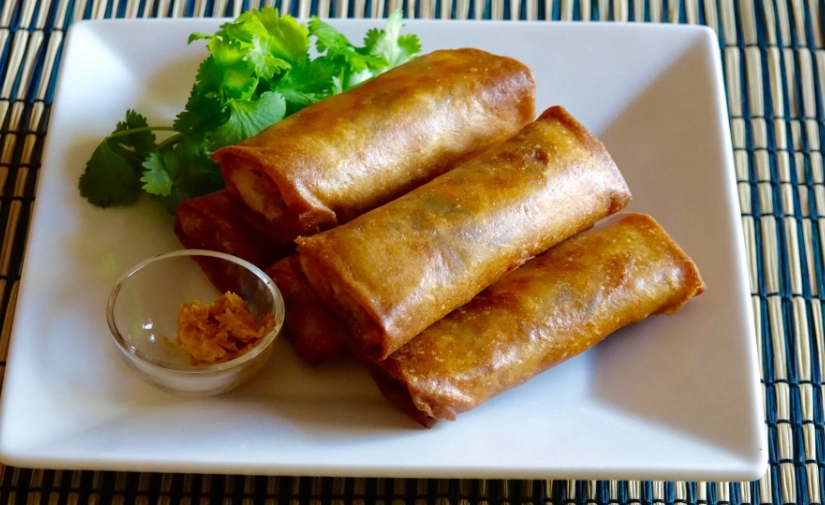
The double-fry method. Fry them once at a slightly lower temperature (325°F/160°C) until just set and very pale. Drain and cool completely. Then, just before serving, fry them again at 375°F (190°C) for about 60-90 seconds until golden brown and super crisp. This method drives out more moisture and creates a sturdier, longer-lasting crunch. It's a game-changer for parties.
It depends on how you look at it. The filling is packed with vegetables and lean protein, which is great. However, they are deep-fried, which adds fat and calories. Baking is a lighter option. You can also use leaner meats and more vegetables to boost the nutritional profile. As part of a balanced diet, they're perfectly fine. Don't let anyone shame you for enjoying fried food sometimes. For detailed nutritional information on core ingredients like cabbage, resources like the USDA FoodData Central are invaluable for accurate data.
Absolutely, and I highly recommend it. You can assemble the uncooked rolls, place them on a baking sheet not touching, and freeze them solid. Then transfer to a freezer bag. Fry directly from frozen, adding a minute or two to the cooking time. This is my secret for easy entertaining. You can also keep assembled (unfrozen) rolls in the fridge for a few hours before frying.
The classic dipping sauce is a simple blend of soy sauce and rice vinegar (a 3:1 or 4:1 ratio), often with a touch of grated daikon radish or a sprinkle of chili flakes. Karashi (Japanese hot mustard) is also a traditional and fantastic accompaniment—the heat cuts through the richness. Some people like sweet chili sauce or even a ponzu sauce. I'm a purist: soy-vinegar and a big dab of mustard for me.
The journey from wondering what is Harumaki made of to pulling a perfectly golden, crisp roll out of the oil is incredibly satisfying.
Final Thoughts: It's More Than Just Ingredients
So, what is Harumaki made of? It's made of simple, accessible ingredients. But more than that, it's made of technique—controlling moisture, managing heat, rolling with confidence. It's made of contrast: the crisp shell and the soft, savory interior. It's also made of adaptability, welcoming new fillings and cooking methods while still honoring its roots.
My biggest piece of advice? Don't be intimidated. Your first batch might not be pretty. Mine certainly weren't. But they will almost certainly be delicious. Start with store-bought wrappers and the classic filling. Master that. Feel the texture of the right dough, taste the balance of soy and sesame in the filling, listen for that perfect sizzle in the oil. Once you have that down, the world of Harumaki is yours to explore. It's a humble dish with a lot of heart, and honestly, that's the best ingredient of all.
For those interested in the precise science behind the wheat flour that makes the perfect wrapper, the Japanese Ministry of Agriculture, Forestry and Fisheries (MAFF) has fascinating resources on traditional Japanese food ingredients and their production.
Reader Comments