Guide Overview
- Why Bother with Curry Powder When Blocks Exist?
- Curry Powder vs. Roux Block: The Real Breakdown
- Choosing Your Weapon: The Best Japanese Curry Powders
- The Foolproof Recipe: Your First Japanese Curry with Curry Powder
- Leveling Up: Pro Tips for an Unforgettable Curry
- Answering Your Curry Powder Questions (FAQ)
- The Final Simmer
Let's be honest. When you think of making Japanese curry at home, you probably grab those convenient little blocks of roux from the store. They're easy, they're predictable. But have you ever wondered what you're missing? That slightly one-dimensional, sometimes overly sweet or salty taste? That's the compromise.
There's another way. A way that gives you control, depth, and a flavor that feels more... real. I'm talking about making Japanese style curry with curry powder from the ground up. No pre-packaged shortcuts. Just you, a bunch of spices (or a good blend), and a pot.
It sounds intimidating, right? I thought so too. The first time I tried, it was a bit of a disaster. Too bland, then too bitter. But once you get the hang of it, you'll never look at those yellow boxes the same way again. This guide is everything I wish I knew when I started. We'll break down the why, the how, and the little secrets that make a Japanese curry with curry powder sing.
Why Bother with Curry Powder When Blocks Exist?
It's a fair question. The blocks are everywhere. They're the gateway drug to Japanese curry for most of the world. But here's the thing about making Japanese style curry with curry powder: it's not about making things harder. It's about making them better.
Think of it like baking a cake from a mix versus from scratch. The mix gives you a decent cake every time. But from scratch? You can adjust the sweetness, the type of chocolate, the moisture. You own it.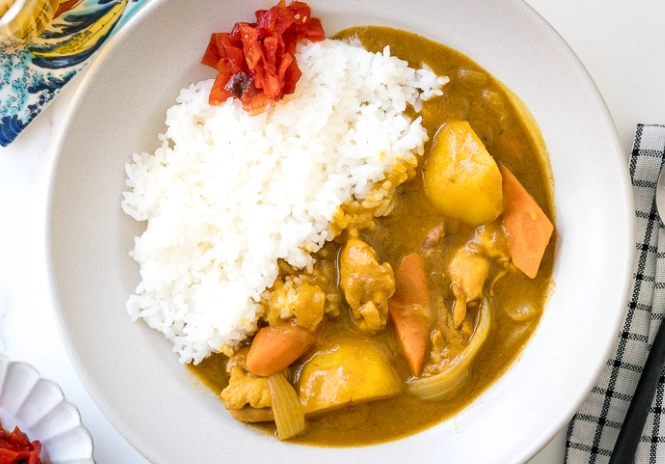
The control is the biggest win. You decide the salt level. You decide the thickness. You can bump up the cumin if you like earthiness, or add more coriander for brightness. Got a family member who can't handle heat? Easy, just go light on the chili. With a block, you're stuck with whatever the manufacturer decided.
Then there's the ingredient list. Flip over a box of store-bought roux. You'll see things like vegetable oils, emulsifiers, and flavor enhancers. When you make Japanese curry with curry powder, your sauce is built on real ingredients: broth, sautéed vegetables, meat juices, and spices. It just feels cleaner.
And surprisingly, it's not that much more work. The active cooking time is roughly the same. The only extra step is blending your spices and thickening the sauce yourself, which we'll get to. It's a simple trade for a massively superior result.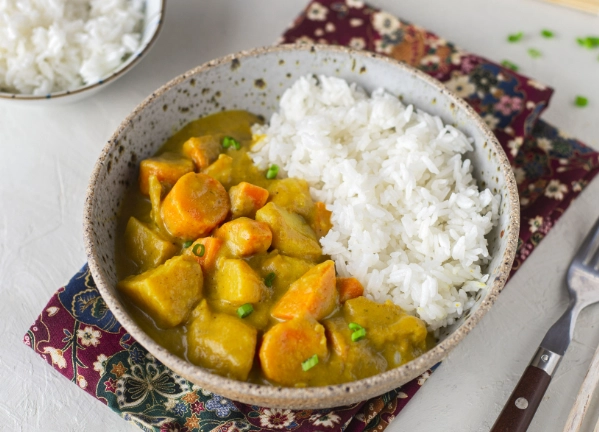
Curry Powder vs. Roux Block: The Real Breakdown
Let's get this out of the way. They are two completely different starting points for your Japanese style curry with curry powder journey. Understanding this is key.
| Aspect | Using Japanese Curry Powder | Using Pre-made Roux Blocks |
|---|---|---|
| Core Ingredients | Pure spice blend (turmeric, coriander, cumin, fenugreek, etc.), flour, fat (butter/oil) added separately. | Pre-cooked blend of spices, flour, fat, salt, sugar, MSG, and stabilizers, solidified into a block. |
| Flavor Profile | Fresher, more aromatic, nuanced. You taste individual spices. Depth comes from your cooking process. | Consistent, but often sweeter, saltier, and more one-note. The "umami" is frequently from added MSG. |
| Control & Customization | Total control. Adjust salt, sweetness, heat, thickness, and spice balance on the fly. | Very limited. You can add extras, but the base flavor is locked in. |
| Texture & Thickness | You create the roux and thicken to your exact preference—silo-thick or soup-like. | Predictably thick and glossy, but can sometimes feel gelatinous or sticky. |
| Perceived Difficulty | Seems higher, but is mostly just an extra 10-minute step (making the roux). | Extremely low. Just melt and stir. |
| My Personal Take | Worth the tiny extra effort for a vastly superior, restaurant-quality result. Tastes like real food. | Perfect for a desperate 20-minute weeknight dinner, but the flavor always feels a bit... processed to me now. |
See the difference? It's like comparing fresh-squeezed orange juice to the concentrate from a can. Both will quench your thirst, but one has a vibrancy the other can't match.
Choosing Your Weapon: The Best Japanese Curry Powders
Not all curry powders are created equal. A generic "Madras" curry powder from your local supermarket will make a fine curry, but it won't taste distinctly Japanese. Japanese curry powder blends are specifically formulated for that familiar, mild, subtly sweet, and deeply comforting profile.
You have two paths here: buy a pre-blended Japanese curry powder, or make your own. Let's start with store-bought, because that's the easiest entry point.
Top Store-Bought Japanese Curry Powder Brands
These brands are staples in Japan and are increasingly available internationally via Asian grocery stores or online.
- S&B Curry Powder: The absolute classic. This is the gold standard for most home cooks in Japan. It's well-balanced, not too spicy, and has that iconic, recognizable flavor. If you're trying Japanese style curry with curry powder for the first time, start here. It's reliable and perfect for learning the technique.
- House Foods Curry Powder: The main competitor to S&B. I find House Foods' blend to be very slightly more aromatic and complex, with a touch more cardamom and cloves in the background. It's a fantastic choice if you want something a bit more nuanced than S&B.
- Glico Curry Powder: Known for their sweet roux blocks, their powder is less common but excellent. It tends to produce a slightly sweeter, milder curry, which is great for kids or those sensitive to heat.
What if you're feeling adventurous? Making your own blend is where the real magic happens. You can tailor it exactly to your palate.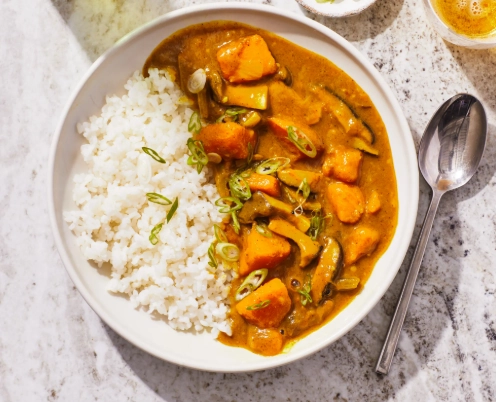
How to Make Your Own Japanese Curry Powder Blend
This is simpler than it sounds. You toast whole spices to wake them up, then grind them. The toasting is non-negotiable—it transforms bitter, raw seeds into fragrant, complex flavor bombs.
Here's a solid base recipe. Measure everything after grinding for accuracy.
- 4 tbsp Coriander Seeds (the backbone, gives citrusy warmth)
- 2 tbsp Cumin Seeds (earthy, foundational)
- 2 tbsp Turmeric Powder (color and earthy bitterness—use powder here, toasting whole turmeric is tricky)
- 1 tbsp Fenugreek Seeds (the secret! gives that maple-syrup, slightly bitter note unique to Japanese curry)
- 1 tbsp Black Peppercorns (heat)
- 2 tsp Cardamom Pods (shells removed, just use the seeds inside)
- 2 tsp Ground Ginger
- 1-2 tsp Chili Flakes or Powder (to taste)
- 1 tsp Cloves (use sparingly, they're powerful)
- 1 tsp Cinnamon
Method: In a dry pan over medium-low heat, toast the coriander, cumin, fenugreek, peppercorns, and cardamom seeds until fragrant (about 2-3 minutes). Don't let them smoke! Let them cool completely. Grind to a fine powder in a spice grinder or mortar and pestle. Mix in the pre-ground turmeric, ginger, chili, cloves, and cinnamon. Store in a dark jar. This makes enough for 2-3 large pots of curry.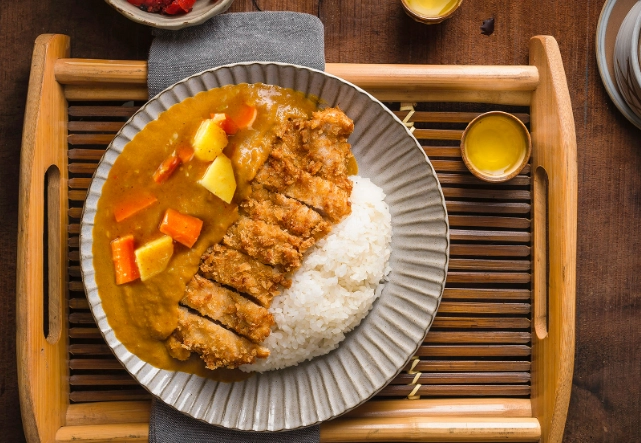
The Foolproof Recipe: Your First Japanese Curry with Curry Powder
Alright, theory is over. Let's cook. This recipe serves 4-6 and is designed to be forgiving. We'll use a store-bought Japanese curry powder for simplicity, but your homemade blend will work perfectly here too.
Ingredients You'll Need
- For the Curry:
- 600g (1.3 lbs) beef chuck, pork shoulder, or chicken thighs, cut into bite-sized pieces
- 2 large onions, thinly sliced
- 2 carrots, cut into rolling wedges
- 2 potatoes (russet or Yukon gold), cut into chunks
- 1 tbsp vegetable oil
- 1 liter (4 cups) beef, chicken, or vegetable broth (low-sodium if possible)
- 1 bay leaf
- 1 apple, grated (yes, really! Trust me)
- 1 tbsp tomato paste (the umami booster)
- 1 tbsp Worcestershire sauce or Japanese tonkatsu sauce
- 1 tsp instant coffee granules or a square of dark chocolate (optional, but adds amazing depth)
- Salt to taste
- For the Roux (The Key Step!):
- 4 tbsp (60g) unsalted butter
- 5 tbsp all-purpose flour
- 3-4 tbsp Japanese curry powder (S&B or similar)
Step-by-Step Cooking Method
1. Brown the Meat & Sweat the Onions: In a large, heavy pot (Dutch oven is perfect), heat the oil over medium-high heat. Pat your meat dry and brown it in batches. Don't crowd the pot—you want color, not steam. Set the meat aside. In the same pot, add the sliced onions with a pinch of salt. Cook them low and slow for a good 15-20 minutes until they're deeply golden, soft, and sweet. This caramelization is non-negotiable flavor foundation.
2. Build the Stew: Add the grated apple and tomato paste to the onions. Cook for 2 minutes until the paste darkens slightly. Add the meat back in, along with any juices. Pour in the broth, add the bay leaf, and scrape up any browned bits from the bottom. Bring to a simmer, then reduce heat to low, cover, and let it cook gently for about 45 minutes (for chicken) to 1.5 hours (for beef/pork), until the meat is tender.
3. Add the Veggies: Add the carrots and potatoes. Simmer uncovered for another 20-25 minutes, until the vegetables are just tender. Don't overcook them into mush.
4. Make the Roux (The Magic Moment): While the stew simmers, make your roux. In a separate small saucepan, melt the butter over medium-low heat. Whisk in the flour. Cook, whisking constantly, for about 5-7 minutes. You're looking for a light golden blonde color—this cooks out the raw flour taste and gives a nutty flavor. This is called a "blond roux." Now, take the pan off the heat. Immediately whisk in the 3-4 tablespoons of Japanese curry powder. It will sizzle and become incredibly fragrant. This toasts the spices in the fat, unlocking their full potential. Your kitchen will smell amazing. Set this curry roux aside.
5. Combine and Finish: Once the vegetables are tender, it's time to bring it all together. Turn off the heat under the stew. Scoop out about a cup of the hot broth and gradually whisk it into your curry powder roux until it's a smooth, loose paste. This tempers it and prevents lumps. Now, pour this paste back into the big pot of stew. Add the Worcestershire sauce and the coffee/chocolate (if using).
Turn the heat back to medium-low. Stir gently and constantly as the curry comes back to a gentle simmer. It will thicken before your eyes into that luxurious, velvety sauce we all love. Let it bubble gently for 3-5 minutes to cook the flour in the roux thoroughly. Taste. Season with salt. Remember, you haven't added any salt yet except a pinch for the onions, so you will need it. Add a little at a time.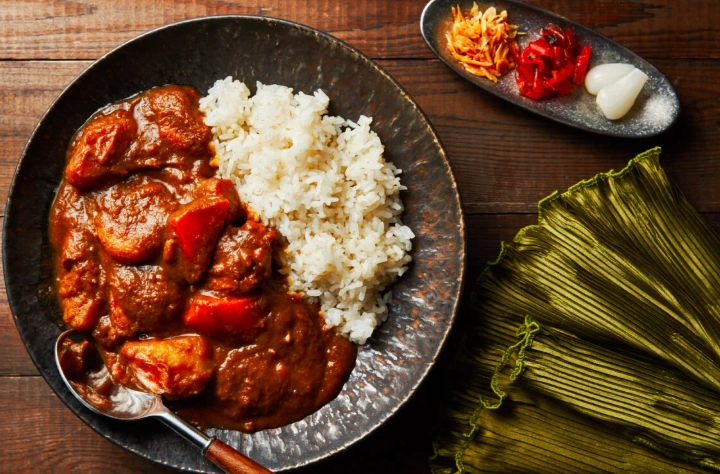
And you're done. Seriously. That's your Japanese style curry with curry powder.
Leveling Up: Pro Tips for an Unforgettable Curry
You've got the basics down. Now let's make your Japanese curry with curry powder legendary.
The Flavor Boosters (The "Secret Ingredients")
Every Japanese home cook has one or two of these up their sleeve. They add layers of umami, sweetness, or richness that elevate a good curry to a great one.
- Fruit: The grated apple is classic. But try adding a tablespoon of apricot jam, a splash of pineapple juice, or a few prunes stewed with the meat. The fruit enzymes also help tenderize tougher cuts.
- Dairy: A splash of whole milk, a spoonful of yogurt, or even a bit of grated cheddar cheese stirred in at the end adds a wonderful creaminess and rounds out sharp spice edges.
- Umami Bombs: A teaspoon of soy sauce, a dash of fish sauce (sounds weird, but it works), a spoonful of miso paste, or a bit of grated ginger with the onions.
- Alcohol: A glug of red wine when deglazing the pan after browning the meat, or a splash of sake or beer added with the broth.
Getting the Texture Perfect
The ideal Japanese curry sauce should coat the back of a spoon thickly, but still be fluid enough to pool around the rice. It shouldn't be gloppy or gelatinous.
If your curry is too thin: Mix 1 tbsp of butter with 1 tbsp of flour (a "beurre manié"). Mash it into a paste. Whisk small bits of this paste into the simmering curry until it reaches your desired thickness.
If your curry is too thick: Simply whisk in a little more hot broth or water until it loosens up.
Let it rest. This is crucial. Japanese curry always tastes better the next day, or even after just sitting for an hour off the heat. The flavors meld, the spices integrate, and the sauce relaxes. Plan for this.
Answering Your Curry Powder Questions (FAQ)
The Final Simmer
Look, I'm not going to tell you to never buy a box of curry roux again. We all have those nights. But what I hope you take away is that making a proper Japanese style curry with curry powder is not some mystical, chef-only technique. It's a simple, rewarding process that gives you a pot of something truly special.
It's the difference between a soundtrack and a live concert. One is convenient and familiar. The other is an experience—full of nuance, feeling, and a connection to the craft.
So next time you're craving that warm, comforting hug in a bowl, give the powder a shot. Buy a tin of S&B, or toast a few spices. Take that extra ten minutes to make a roux. Taste the difference control makes.
You might just find, like I did, that there's no going back.
Now, if you'll excuse me, I have leftovers from last night's batch to reheat. They're going to be incredible.
Reader Comments