Let's be real. You're in the middle of cooking, recipe open, and you reach for the dashi powder. The container's empty. Or maybe you're cooking for someone who can't have fish, or you just can't find the stuff locally. Panic sets in. Can you even make Japanese food without it?
Absolutely. I've been cooking Japanese food at home for over a decade, and I've faced this exact scenario more times than I can count—during late-night ramen cravings, before dinner parties, and in kitchens with limited pantry space. The truth is, while instant dashi powder (like Hondashi) is a fantastic shortcut, it's not the only path to that deep, savory, soul-warming flavor known as umami.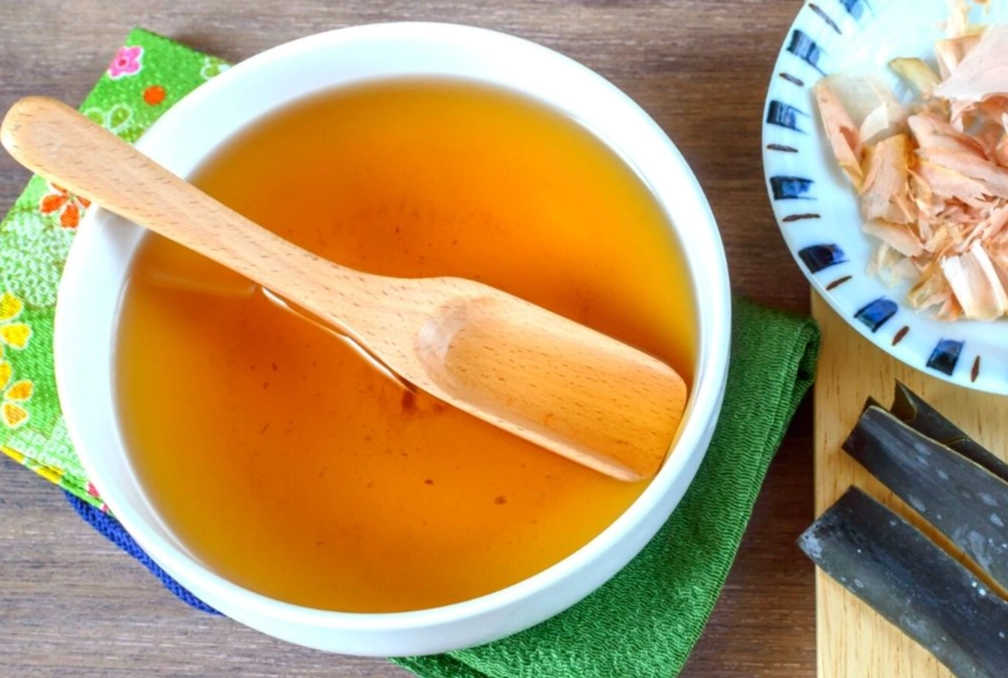
This guide isn't just a list of swaps. It's a roadmap for understanding what dashi powder *does* in your cooking, so you can choose the right substitute with confidence, whether you need a quick fix, a vegetarian option, or a from-scratch project. We'll cover everything from pantry staples you already own to sophisticated homemade broths that might just become your new standard.
What You'll Find in This Guide
Why You Might Need a Dashi Powder Substitute
First, let's talk about what instant dashi powder is. It's a dehydrated, granulated blend typically made from bonito flakes (katsuobushi), dried sardines (niboshi), dried seaweed (kombu), salt, MSG, and other flavor enhancers. It's designed to dissolve instantly in hot water, creating a clear, umami-rich broth. The need for a substitute usually falls into a few common camps.
Dietary Restrictions: Vegetarian, Vegan, and Allergies
This is the big one. Traditional dashi powder contains fish. If you're cooking for vegetarians, vegans, or someone with a seafood allergy, the standard packet is off the table. But the desire for that foundational Japanese flavor isn't. You need a plant-based umami bomb.
There's also the issue of gluten or specific additives. Some brands use wheat-based ingredients or additives that people prefer to avoid. Reading the label becomes crucial.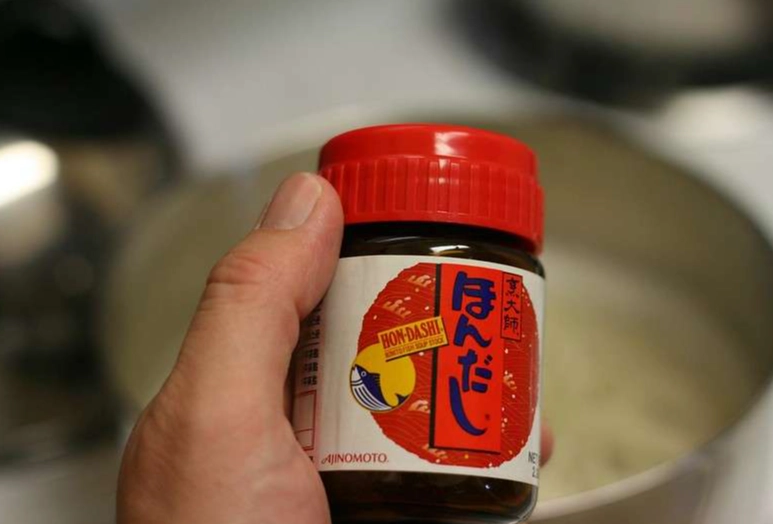
Availability and Convenience
Not everyone lives near a well-stocked Asian grocery store. Maybe your local shop is out of stock. Or perhaps you're in a hurry and realize you forgot to buy it. In these moments, a substitute made from common kitchen ingredients is a lifesaver.
The Pursuit of a Cleaner or Homemade Flavor
Some cooks simply prefer to avoid processed foods or MSG. Others enjoy the ritual and superior depth of flavor that comes from making broth from scratch. Instant powder is a tool, but it's not the only—or even the most authentic—way to make dashi. The highest-end Japanese restaurants would never use it; they steep kombu and shave katsuobushi to order.
A quick note on MSG: It gets a bad rap, but it's just crystallized umami, naturally found in tomatoes, Parmesan, and seaweed. It's perfectly safe for most people. If you're avoiding it for personal reasons, you'll need to be extra careful with substitutes, as many "natural flavor" blends still contain it.
How to Choose the Right Dashi Substitute
Picking a substitute isn't random. You need to match the substitute to the dish you're making. A heavy, dark miso soup has different needs than a delicate chawanmushi (savory egg custard). Ask yourself these two questions:
What is the primary role of dashi in this dish? Is it the main liquid base (like in miso soup or noodle broth)? Or is it a subtle seasoning agent (like in simmered vegetables or okonomiyaki batter)?
What flavor profile am I aiming for? Do I need a clear, delicate broth? Or can it be a bit more robust and cloudy?
Your answers will steer you. For clear soups, you want a strained, filtered broth. For stews or braises, a more substantial homemade stock can work wonders.
Top Dashi Powder Substitutes: A Detailed Breakdown
Here’s a practical comparison of the most effective substitutes, from the most authentic to the quickest pantry hacks.
| Substitute | Core Ingredients & How It Works | Best Used For | Key Advantage | The Catch |
|---|---|---|---|---|
| Homemade Kombu & Shiitake Dashi | Dried kombu (kelp) + dried shiitake mushrooms. Cold-steeped or gently simmered. | Vegetarian miso soup, noodle broths, simmered dishes (nimono). | Pure, clean, authentic vegetarian umami. The gold standard. | Requires planning (30 mins to overnight). Need to source ingredients. |
| Katsuobushi (Bonito Flake) Dashi (From Scratch) | Katsuobushi shavings steeped in hot water (or kombu dashi). | Any dish calling for "awase dashi" (combined dashi). Clear soups, chawanmushi. | The authentic, non-powdered flavor. Richer and more aromatic than instant. | More expensive. Katsuobushi flakes need proper storage. Not vegetarian. |
| Instant Broth Cubes or Liquid Concentrates | Chicken, vegetable, or mushroom bouillon (e.g., Better Than Bouillon). | Ramen, udon soup, hearty stews, fried rice seasoning. | Extremely convenient. Already in many pantries. Deep, rounded flavor. | Can be salty. Flavor profile is Western, not Japanese. May contain unwanted herbs. |
| Soy Sauce & Mirin Quick Mix | Soy sauce + mirin + water (common ratio: 1 tbsp soy, 1 tbsp mirin, 1 cup water). | Emergency seasoning for stir-fries, noodle sauces, soup base in a pinch. | 3-second fix with staple condiments. Delivers salt, sweetness, and some umami. | Lacks depth. It's a seasoning liquid, not a true broth. Use only when other options fail. |
Going Deeper: The Homemade Vegetarian Dashi Method
This is my go-to when I have 30 minutes. It’s simpler than you think.
Take a 4-inch piece of dried kombu and 2-3 dried shiitake mushrooms. Wipe the kombu with a damp cloth (don't wash off the white umami dust). Put them in a pot with 4 cups of cold water. Let it sit for at least 20 minutes, or up to several hours in the fridge for more depth.
Now, heat the pot on medium-low. Just before it boils—you'll see small bubbles at the edge—remove the kombu. If you boil it, the broth can become slimy. Let it simmer for another 10 minutes with the shiitake, then turn off the heat. Strain out the mushrooms (you can save them for cooking!).
That's it. You have a crystal-clear, profoundly savory broth. The kombu brings glutamates (umami), and the shiitake bring guanylates (another type of umami). Together, they create a synergistic effect that rivals fish-based dashi.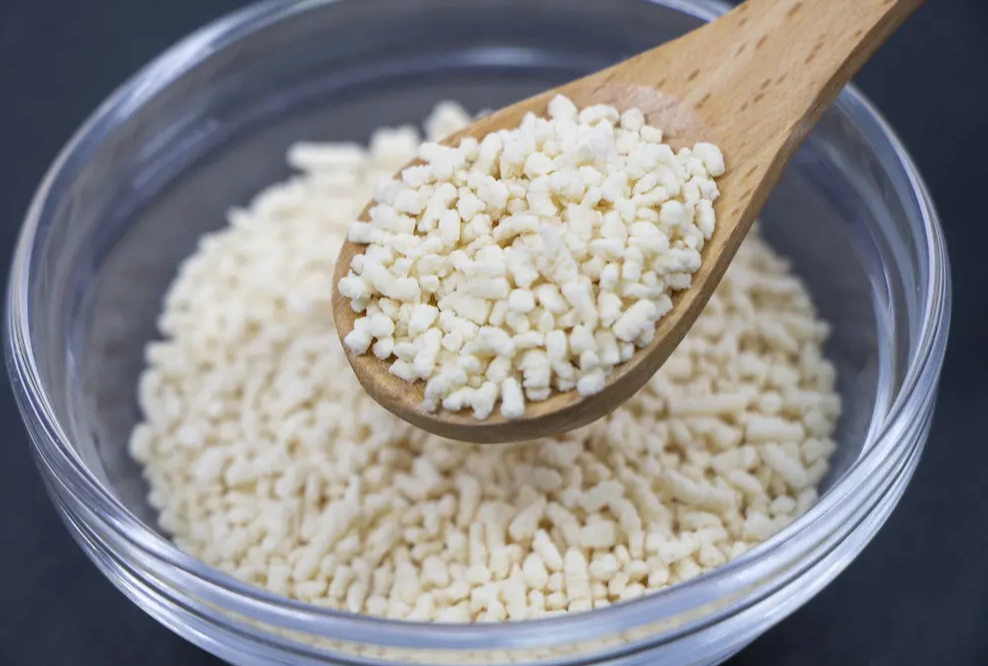
The Pantry Savior: Broth Cubes and Concentrates
I keep a jar of high-quality vegetable or mushroom bouillon paste in my fridge for true emergencies. The trick is dilution and adjustment.
If your recipe calls for 1 cup of dashi, mix 1 teaspoon of concentrated paste (like Better Than Bouillon's mushroom or roasted vegetable base) with 1 cup of hot water. Then, you must adjust. Taste it. It will likely need a tiny splash of soy sauce (for salt and more Japanese-specific flavor) and maybe a 1/4 teaspoon of mirin or sugar to balance. It won't be perfect, but for a rich noodle soup, it works surprisingly well.
Avoid cubes or pastes with strong herb flavors like thyme or rosemary—they'll make your miso soup taste oddly Italian.
What About Store-Bought Vegetarian Dashi Mixes?
They exist, and they're getting better. Brands like Marukin or Shirakiku make vegan dashi packets. They're primarily powdered shiitake, kombu, and sometimes soy sauce or salt.
Are they good? For convenience, yes. They're a direct 1:1 swap for Hondashi. But here's the expert nuance everyone misses: they often have a stronger, more singular shiitake flavor than a balanced homemade broth. It can overpower delicate dishes. I use them for weeknight miso soup, but I'd never use one for something as subtle as dashimaki tamago (Japanese rolled omelette).
Always check the label. Some "vegetarian" dashi powders still contain fish-derived ingredients or MSG under different names.
Scenario Guide: Which Substitute When?
Let's get practical. Here’s how I decide in real time.
Scenario 1: Miso Soup for Breakfast (Vegetarian). I use homemade kombu-shiitake dashi made the night before. If I didn't plan ahead, I'll use a trusted brand of vegan dashi powder. The clean flavor lets the miso shine.
Scenario 2: Making Udon Noodle Soup for Lunch. If I have katsuobushi, I'll make a quick batch of kombu-katsuobushi dashi. If not, I'll use a light chicken or vegetable broth concentrate, diluted well and adjusted with a dash of soy sauce and a pinch of sugar. The noodles and toppings carry the day.
Scenario 3: Simmering Kabocha Squash (Kabocha no Nimono). A simple kombu-only dashi (just steeped, not boiled) is perfect here. It provides a subtle savory base without competing with the squash's sweetness.
Scenario 4: Stir-fry Sauce or Okonomiyaki Batter. Here, dashi powder is mostly a hydrating, savory liquid. In a pinch, the soy-mirin-water mix works, or even just water with a pinch of salt and a sprinkle of sugar. The other strong flavors (soy, oyster sauce, mayo, okonomiyaki sauce) will dominate.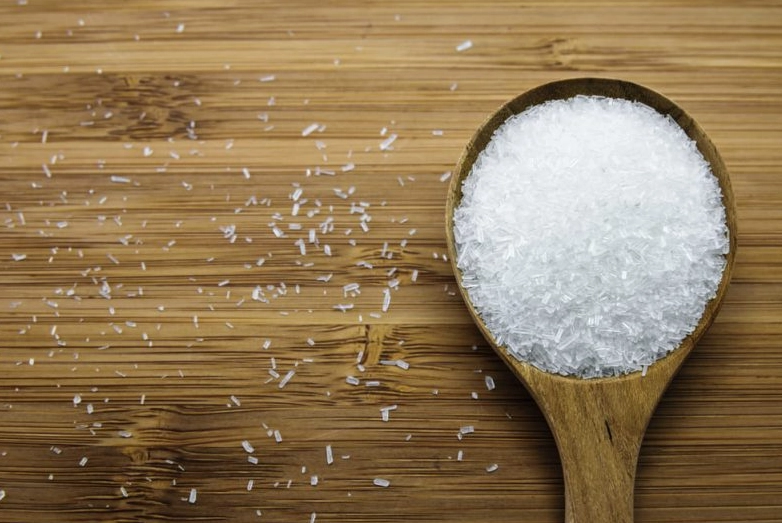
Your Dashi Substitute Questions, Answered
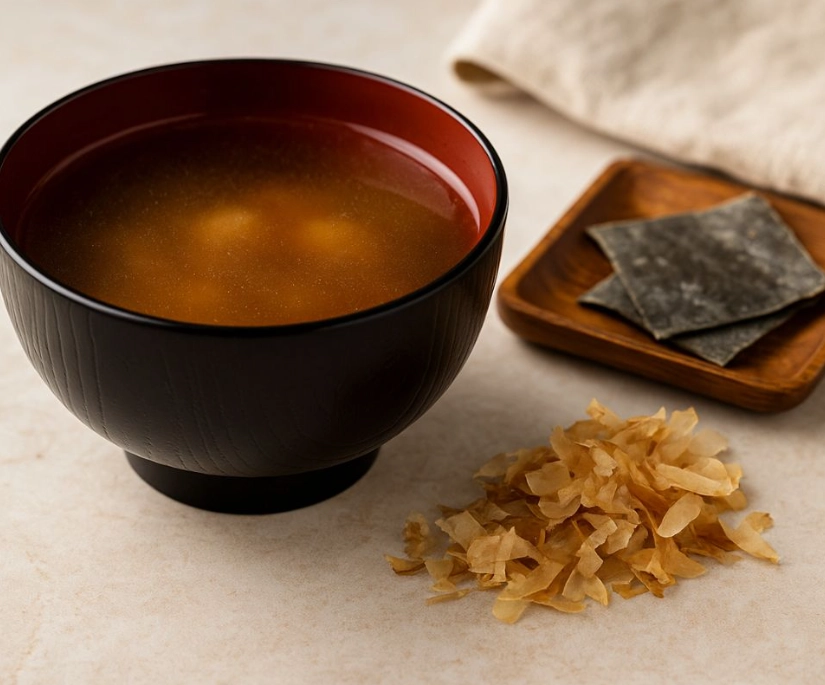 The bottom line? Running out of dashi powder isn't a cooking disaster—it's an opportunity. It pushes you to understand the flavor foundations of Japanese cuisine better. Whether you opt for the purity of a homemade seaweed broth or the clever hack of adjusted bouillon, you can still create dishes full of satisfying umami. Keep a bag of dried kombu and shiitake in your pantry. With those two, you'll never truly be without dashi again.
Reader Comments