What You'll Find in This Guide
I remember the first time I tried making miso soup at home. It was a cloudy afternoon, and I had just gotten back from a trip to Kyoto, craving that warm, umami-rich broth I'd had at a small family-run restaurant. My attempt? Let's just say it tasted like salty water with tofu chunks. That's when I realized there's more to the traditional miso soup recipe than tossing miso paste into hot water. If you've ever wondered why your homemade version doesn't hit the spot, you're not alone. This guide dives deep into the authentic Japanese approach, covering everything from selecting the right miso to avoiding the mistakes most beginners make.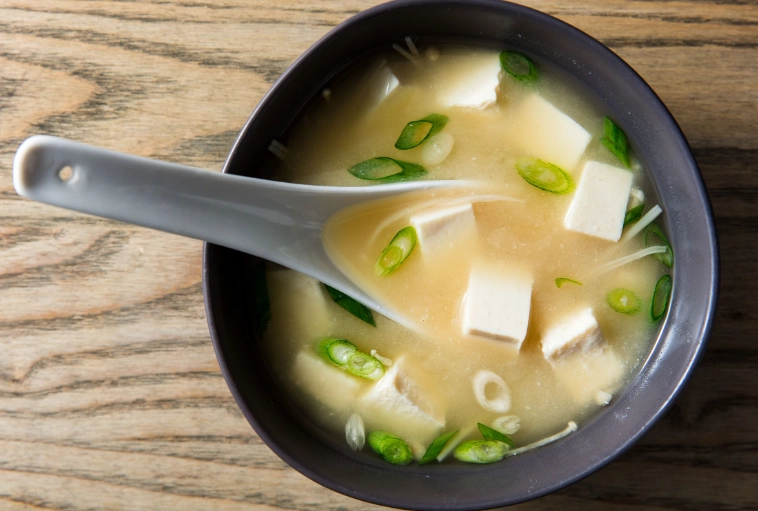
What Makes Miso Soup Traditional?
Traditional miso soup isn't just a quick dish; it's a staple of Japanese cuisine with roots going back centuries. According to historical records from the Japan Miso Promotion Board, miso itself has been used since the Nara period (around 700 AD), initially as a preservative. The soup evolved as a way to make nutritious meals accessible, especially with the introduction of dashi broth.
What sets it apart? It's the balance of simplicity and depth. You start with a clear, flavorful dashi—often made from kombu (kelp) and katsuobushi (dried bonito flakes)—then gently whisk in miso paste without boiling it. This preserves the live probiotics in miso, which is key for that authentic taste and health benefits. Many westernized versions skip the dashi or use bouillon cubes, but that's like making pizza without cheese. It might be edible, but it's not the real deal.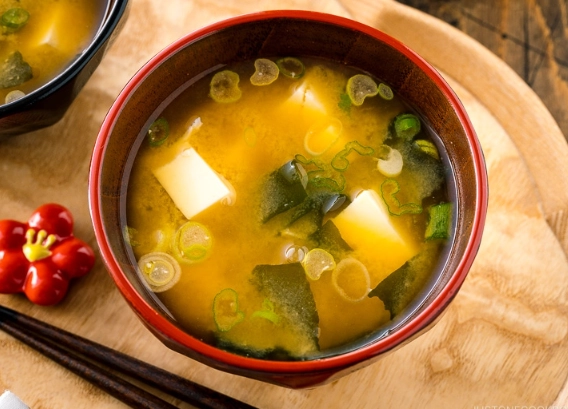
A Brief History of Miso Soup
Miso soup became everyday food in Japan during the Edo period (1603-1868), when miso production spread nationwide. Farmers would make large batches of miso and use it in soups with seasonal vegetables. Today, it's served with breakfast, lunch, or dinner, often alongside rice. The tradition emphasizes using local, fresh ingredients—something I learned the hard way when I used old miso from the back of my fridge. It tasted flat, lacking that fermented punch.
The Core Ingredients: Beyond Just Miso Paste
Getting the ingredients right is 80% of the battle. Here’s a breakdown of what you need, and why each matters.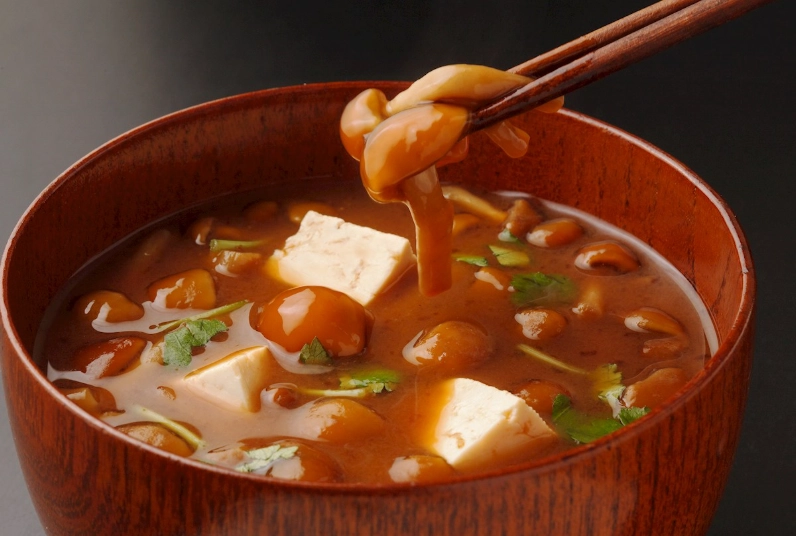
Miso Paste Varieties and How to Choose
Miso paste comes in different types, based on ingredients and fermentation time. The main ones are:
- Shiro Miso (White Miso): Fermented for a shorter time, usually with more rice koji. It's sweeter and milder, perfect for light soups. I prefer this in summer.
- Aka Miso (Red Miso): Fermented longer, often with more soybeans. It's saltier and richer, great for heartier dishes. This is my go-to in winter.
- Awase Miso (Mixed Miso): A blend of white and red, offering a balanced flavor. Many Japanese households use this for all-purpose cooking.
When shopping, look for unpasteurized miso if possible—it has more probiotics. Avoid brands with added sugars or preservatives; they can throw off the flavor. A tip from a miso maker in Hokkaido: smell it. Fresh miso should have a earthy, slightly sweet aroma, not a sour or off note.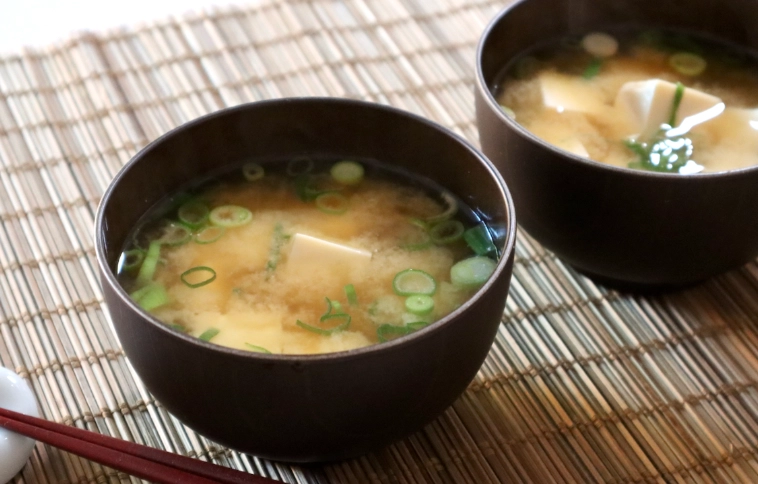
Dashi: The Soul of the Soup
Dashi is the broth that forms the base. Traditional dashi uses kombu and katsuobushi, but there are variations. Here’s a quick comparison:
| Type | Ingredients | Flavor Profile | Best For |
|---|---|---|---|
| Kombu Dashi | Kelp only | Subtle, umami, vegan | Light soups, vegetarian diets |
| Katsuobushi Dashi | Kelp + bonito flakes | Rich, smoky, classic | Traditional miso soup |
| Shiitake Dashi | Dried shiitake mushrooms | Earthy, robust | Vegetarian options, added depth |
You can make dashi from scratch in about 20 minutes, or use instant dashi granules. I used to rely on granules for speed, but homemade makes a noticeable difference—it's cleaner and more aromatic. If you're short on time, choose a high-quality instant brand without MSG overload.
Toppings and Add-ins: From Tofu to Wakame
Traditional toppings are simple: cubed silken tofu, rehydrated wakame (seaweed), and thinly sliced green onions. But you can get creative. I've added mushrooms, spinach, or even clams for a twist. The key is to not overcrowd the soup; it should remain broth-focused. A common mistake I see is dumping in too many veggies, turning it into a stew. Keep it light.
Step-by-Step: Crafting Your Traditional Miso Soup
Let's walk through the process. This isn't just a recipe; it's a method that ensures authenticity.
Preparing the Dashi Broth (The Right Way)
Start with 4 cups of water. Add a 4-inch piece of kombu (wipe it lightly with a damp cloth to remove dust). Let it soak for 30 minutes if you have time—this enhances umami. Then, heat it on medium until small bubbles form around the edges. Don't let it boil, or the kombu can become slimy and bitter. Remove the kombu just before boiling.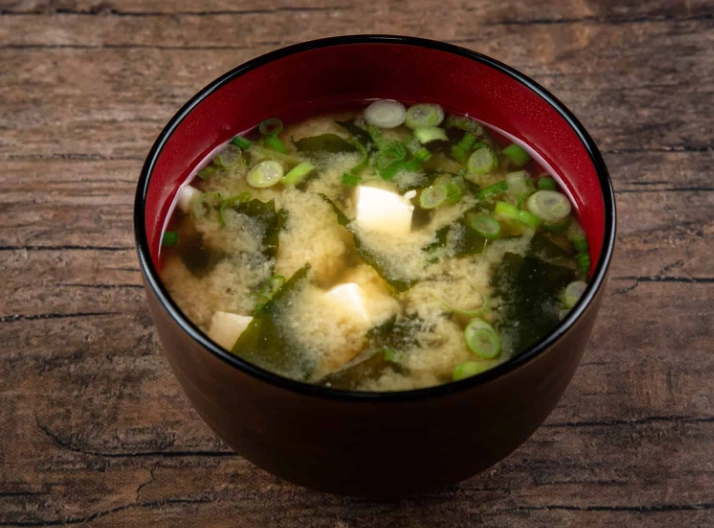
Next, add a handful of katsuobushi (about 10 grams). Bring it to a simmer, then turn off the heat immediately. Let it steep for 5 minutes, then strain. You now have dashi. It should be clear and fragrant. If it tastes weak, you didn't use enough katsuobushi; if it's too fishy, you simmered too long.
Incorporating Miso Without Killing the Probiotics
Here's where most people mess up. Never boil miso paste. It destroys the beneficial enzymes and makes the soup taste dull. Instead, take a ladle of warm dashi (not boiling) into a small bowl. Add 3-4 tablespoons of miso paste—use a whisk or chopsticks to dissolve it completely until smooth. Then, pour this mixture back into the pot. Heat gently on low until just warmed through, about 2-3 minutes. Stir occasionally.
I learned this from a chef in Tokyo who scolded me for adding miso directly to the pot. "You're murdering the flavor," he said. He was right.
Adding Toppings at the Perfect Time
Add toppings after the miso is dissolved. For tofu, use silken tofu cut into small cubes—firm tofu works, but it's less traditional. Add it last minute to keep it tender. Wakame should be rehydrated in water for 5 minutes, then drained. Green onions go in just before serving for freshness.
If using vegetables like spinach, blanch them separately and add at the end to retain color and texture. My personal hack: a dash of sake or mirin in the dashi adds depth, but it's optional.
Pro Tip: Taste as you go. Miso saltiness varies, so adjust with more miso or a pinch of salt if needed. But go easy—over-salting is hard to fix.
Common Pitfalls and How to Sidestep Them
Even with good ingredients, small errors can ruin the soup. Here are the top blunders I've made and seen others make.
- Using Boiling Water for Miso: This is the biggest no-no. It kills probiotics and flattens flavor. Always use warm dashi to dissolve miso separately.
- Skipping Dashi: Substituting with chicken or vegetable broth changes the character. It becomes a different soup. If you must, use a light broth and add a bit of kombu for umami.
- Overcooking Toppings: Tofu turns rubbery if boiled too long. Add it at the end, just to heat through.
- Storing Leftovers Incorrectly: Don't boil leftover soup when reheating. Warm it gently on the stove to preserve the miso's properties.
I once made a batch with cheap, old miso and boiled the heck out of it. It tasted metallic and sad. Lesson learned: quality ingredients and gentle heat are non-negotiable.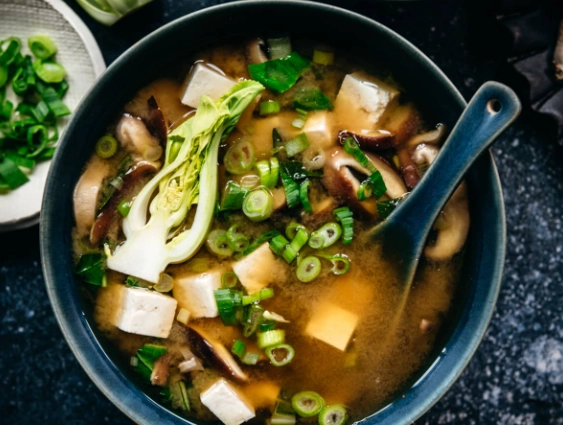
FAQs: Your Miso Soup Questions Answered
Making traditional miso soup is more than following a recipe; it's about respecting the ingredients and process. Start with good dashi, handle the miso with care, and keep it simple. Whether you're cooking for a quick dinner or a comforting meal, this method ensures a bowl that's authentically Japanese. Give it a try—and don't be afraid to tweak it to your taste. After all, that's how traditions evolve.
Reader Comments