Let's be honest. You've probably had disappointing char siu before. The kind that's dry, too sweet, or just tastes like red-dyed pork. The good stuff—the glossy, sticky, deeply savory and slightly sweet barbecue pork hanging in the windows of Cantonese restaurants—seems like a chef's secret. I thought so too, until I burned through pounds of pork shoulder figuring it out. The truth is, making exceptional char siu pork at home isn't just possible; it's straightforward once you understand a few non-negotiable steps most recipes gloss over. Forget the year. This guide is about the timeless technique.
What's Inside This Guide
- What Is Char Siu Pork, Really?
- Choosing Your Pork: The First Make-or-Break Decision
- The Marinade Myth and Building Flavor Layers
- Cooking Methods: Oven, Grill, or Air Fryer?
- The Glaze Game: How to Get That Signature Shine
- Serving, Storing, and Reinventing Your Char Siu
- Your Char Siu Questions, Answered
What Is Char Siu Pork, Really?
"Char siu" translates to "fork roast," referring to the traditional method of skewering long strips of seasoned pork on forks or hooks and roasting them over an open fire or in a specialized oven. It's a Cantonese preparation with roots in Guangdong province. The goal is meat that's caramelized and slightly charred on the outside, yet remarkably juicy and tender inside, with a flavor profile that balances savory, sweet, and a hint of aromatic spices.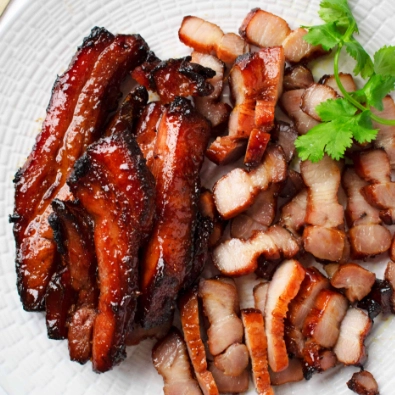
The red color you often see comes from red fermented bean curd (nam yee) or, in many commercial kitchens, from red food coloring. At home, we can achieve a beautiful, deep mahogany color without artificial dyes. The flavor comes from a core set of ingredients: soy sauce, hoisin sauce, honey or maltose, Chinese five-spice powder, and sometimes rice wine or fermented bean paste.
Choosing Your Pork: The First Make-or-Break Decision
This is where most home cooks go wrong right out of the gate. Using the wrong cut guarantees dry, tough results. Char siu isn't made with just any pork.
The Best Cuts for Char Siu Pork
You want a cut with a good balance of lean meat and intramuscular fat. This fat bastes the meat from the inside during cooking, keeping it succulent.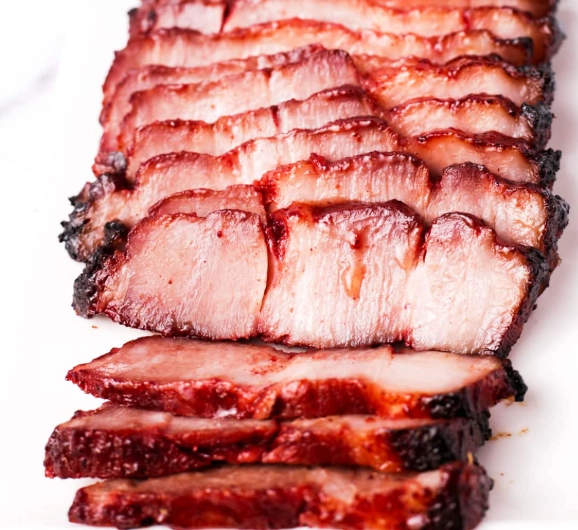
- Pork Shoulder (Boston Butt): The undisputed champion. It has perfect marbling, connective tissue that breaks down into juiciness, and a shape that's easy to cut into long strips. This is what most top restaurants use. Look for a piece with a visible fat cap.
- Pork Neck (Collar Butt): A fantastic, often overlooked cut. It's slightly more tender than shoulder and exceptionally flavorful. It can be harder to find, but ask your butcher.
- Pork Belly (for the adventurous): This will be incredibly rich and unctuous. You need to be meticulous about scoring the skin and rendering the fat, or it can become too greasy. Not for beginners, but delicious.
Cuts to Avoid
Pork loin or tenderloin. They are too lean. By the time you get any color or caramelization on the outside, the inside will be dry and chalky. Save those for other dishes.
Here’s a quick comparison to keep in your back pocket:
| Cut of Pork | Best For Char Siu? | Why? | Approx. Price per lb (US) |
|---|---|---|---|
| Pork Shoulder (Boston Butt) | Yes - Top Choice | Ideal fat marbling, forgiving, stays juicy | $2.50 - $4.00 |
| Pork Neck (Collar) | Yes - Excellent | Very tender, great flavor, less common | $3.50 - $5.50 |
| Pork Belly | Maybe (Advanced) | Extremely rich, requires careful cooking | $4.00 - $7.00 |
| Pork Loin | No | Too lean, dries out easily | $3.00 - $5.00 |
| Pork Tenderloin | No | Very lean, wrong texture, cooks too fast | $4.00 - $8.00 |
The Marinade Myth and Building Flavor Layers
Most recipes scream "marinate for 24 hours!" That's not entirely wrong, but it's incomplete. Marinating for too long, especially with a lot of salt and sugar, can actually start to cure and firm up the outer layer of the meat, creating a barrier and altering the texture. I've found 4 to 8 hours to be the sweet spot for shoulder.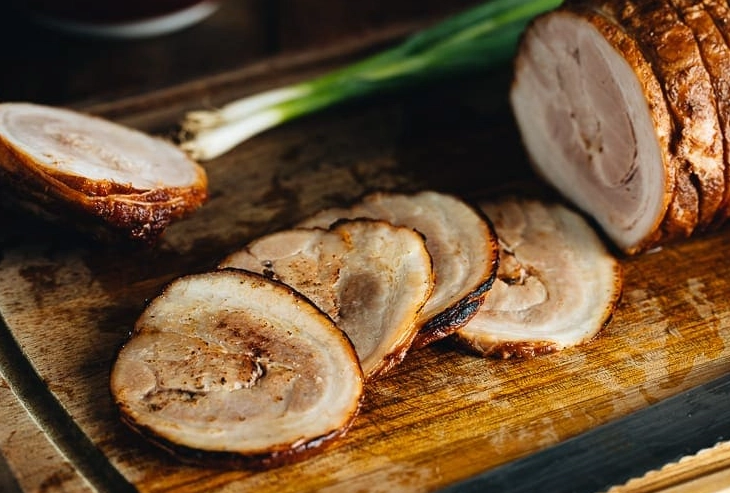
The real secret isn't just marinating time; it's the components of your sauce. Think of it in layers:
- The Base (Savory & Salty): Light and dark soy sauce, oyster sauce, hoisin sauce, a bit of fermented red bean curd (the flavor king).
- The Sweetness: Honey, maltose (gives that classic sticky glaze), or brown sugar. Maltose is less sweet than honey and gives a professional sheen.
- The Aromatics: Minced garlic, grated ginger, Chinese five-spice powder (go easy, it's potent), a splash of Shaoxing wine.
Here's my workhorse recipe ratio for about 2 lbs of pork shoulder:
- 2 tbsp hoisin sauce
- 2 tbsp soy sauce (1 light, 1 dark)
- 1.5 tbsp honey or maltose
- 1 tbsp oyster sauce
- 1 cube red fermented bean curd + 1 tsp of its liquid (optional but recommended)
- 2 cloves garlic, minced
- 1 tsp grated ginger
- 1/2 tsp five-spice powder
- 1 tbsp Shaoxing wine
Mix it all. Reserve about 1/4 cup in a separate bowl before adding the pork. This reserved sauce is your precious glaze for later. Never cross-contaminate.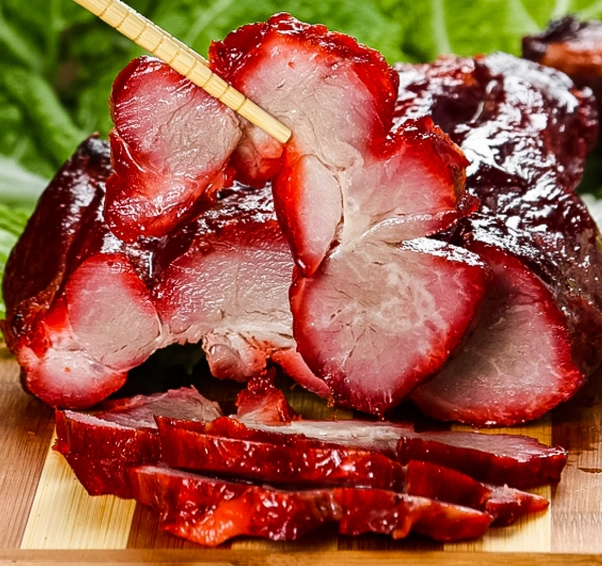
Cooking Methods: Oven, Grill, or Air Fryer?
You don't need a fancy Chinese roasting oven. Your home appliances work fine with a little technique.
Oven Method (Most Reliable)
Place the marinated pork strips on a wire rack set over a foil-lined baking sheet (to catch drips). Add about 1/2 inch of water to the bottom of the pan. This creates steam and prevents smoking from the dripping marinade. Roast at 375°F (190°C) for 20 minutes. Then, brush with your reserved glaze and flip. Roast for another 15-20 minutes. Increase heat to 400°F (200°C), brush again, and roast for a final 5-10 minutes until caramelized. The internal temperature should reach at least 145°F (63°C) as per USDA guidelines, but pulling it around 155-160°F (68-71°C) for shoulder yields a more tender, pull-apart texture as it rests.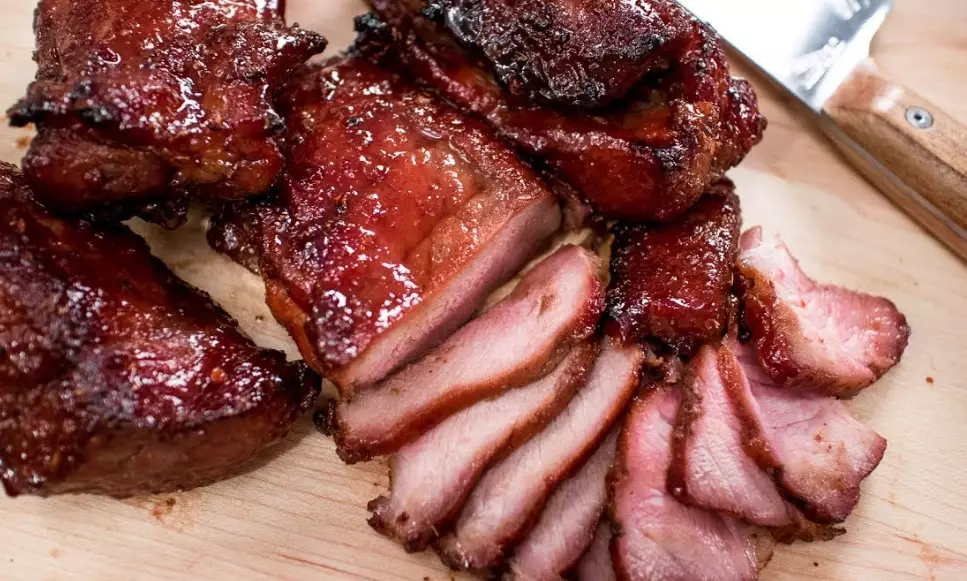
Grill Method (For Smoky Flavor)
Use indirect heat. Sear the pork over direct heat for a minute per side to get marks, then move to the cooler side of the grill. Close the lid and cook, brushing with glaze and turning occasionally, until done. The water pan trick works here too—place a disposable aluminum pan with water under the grates on the indirect side.
Air Fryer Method (Fast & Crispy)
It works surprisingly well for smaller batches. Cook at 375°F (190°C) for 12-15 minutes, pausing to brush with glaze halfway. You won't get the same level of caramelization all over, but it's quick and creates nice crispy edges.
The Glaze Game: How to Get That Signature Shine
The final brush is everything. Take your reserved, clean glaze and simmer it in a small saucepan for 2-3 minutes until it thickens slightly. Brush this onto the hot pork during the last 10 minutes of cooking and again immediately after it comes out of the oven. The heat activates the sugars, creating that sticky, lacquered finish. If you used maltose, warming the glaze is essential as it's very thick at room temperature.
Let the meat rest for at least 10 minutes before slicing. This allows the juices to redistribute. Slice against the grain into thin, bite-sized pieces.
Serving, Storing, and Reinventing Your Char Siu
Obviously, serve it over steamed rice with some simple blanched greens (like gai lan or bok choy). But don't stop there. Char siu is a meal-prep superstar.
- Char Siu Fried Rice: The classic use for leftovers. Dice it up and toss it in.
- Char Siu Bao (Buns): Finely chop the pork, mix with a little extra hoisin sauce, and use it as filling for steamed or baked buns.
- Noodle Soups: Slice it and add it to a simple bowl of ramen or wonton noodle soup.
- In Omelets or Fried Noodles: Adds a punch of flavor to breakfast or a quick stir-fry.
Store leftovers in an airtight container in the fridge for up to 4 days. It freezes beautifully for up to 3 months. Thaw in the fridge overnight.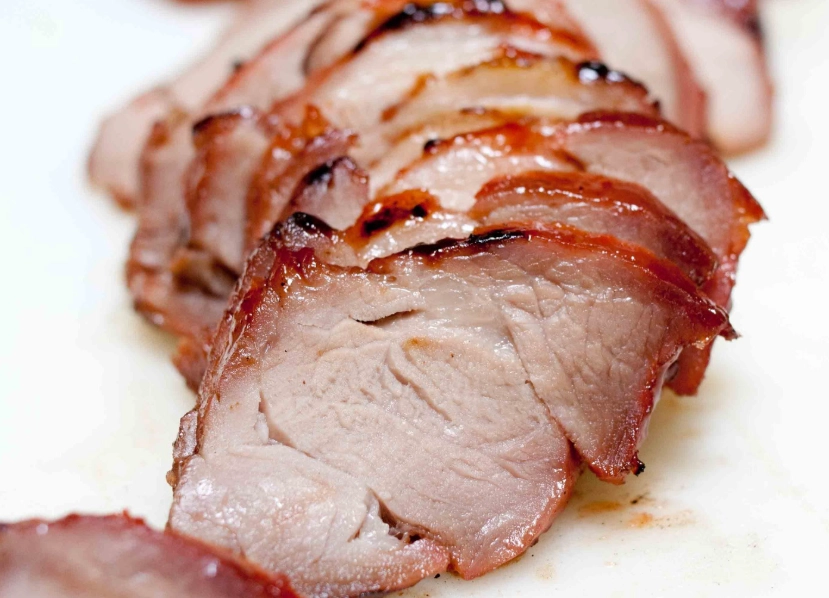
Your Char Siu Questions, Answered
Making great char siu pork is less about following a single recipe perfectly and more about understanding the principles: the right cut, layered flavoring, controlled cooking, and a fearless final glaze. Start with pork shoulder, separate your glaze, and don't be afraid of a little char. That's where the flavor lives.
Reader Comments