If you've ever bitten into a perfectly crispy piece of tonkatsu or enjoyed a light, airy coating on fried shrimp, you've experienced the magic of Japanese bread crumbs, commonly known as panko. Unlike the dense, sandy texture of Western breadcrumbs, panko offers a unique crunch that doesn't absorb as much oil, making dishes lighter and crispier. I remember my first attempt at using panko—I treated it like regular breadcrumbs, and ended up with a soggy mess. It took some trial and error to get it right, but now I can't imagine my kitchen without it. In this guide, we'll dive deep into what Japanese bread crumbs are, how they're made, their culinary uses, and expert tips to master them.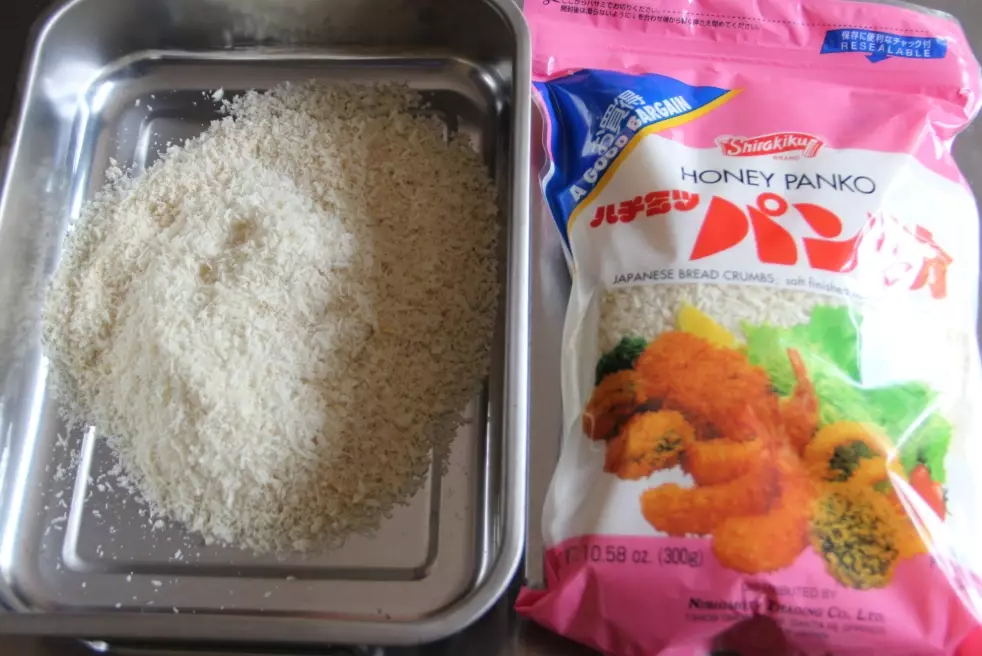
What You'll Learn in This Guide
What Are Japanese Bread Crumbs? The Basics of Panko
Japanese bread crumbs, or panko, are a type of breadcrumb made from crustless white bread that's processed into large, flaky flakes. The word "panko" comes from Japanese, where "pan" means bread and "ko" means flour or powder, but it's more about texture than powder. What sets panko apart is its airy, irregular shape—it looks like little shards rather than fine grains. This structure creates a crispier coating that stays crunchy longer, even when sauced. I've found that many home cooks think panko is just for frying, but that's a common misconception. It's incredibly versatile, working well in baked dishes, as a topping for casseroles, or even in meatballs to add lightness.
Panko originated in Japan during the 20th century, with some sources pointing to its development for Western-style dishes like tonkatsu (breaded pork cutlet). Today, it's a staple in Japanese cuisine and has gained global popularity. According to the Japan External Trade Organization, panko exports have grown steadily, reflecting its international appeal. The key here is that panko isn't just a substitute for breadcrumbs; it's a different ingredient with its own rules. For example, because the flakes are larger, they don't compact as easily, which means you need to handle them gently to avoid crushing them and losing that signature crunch.
How Panko is Made: The Unique Production Process
The making of panko is what gives it its distinctive texture. Unlike Western breadcrumbs, which are often made from toasted or dried bread ground into fine particles, panko is produced by baking bread without crusts using an electrical current method. This process creates a bread with a soft interior and no crust, which is then shredded or grated into coarse flakes. The flakes are air-dried rather than baked again, preserving their light, porous structure.
I visited a small panko producer in Osaka once, and they emphasized that the bread is never toasted—this prevents it from becoming too hard or dense. The result is flakes that are almost hollow inside, which is why they absorb less oil and stay crispier. Some brands, like Nisshin and Kikkoman, use specific wheat blends to enhance this effect. It's a detail most people miss, but the type of wheat can affect how well the panko holds up in cooking. For instance, higher-protein wheat might make the flakes tougher, while softer wheat yields a more delicate crunch.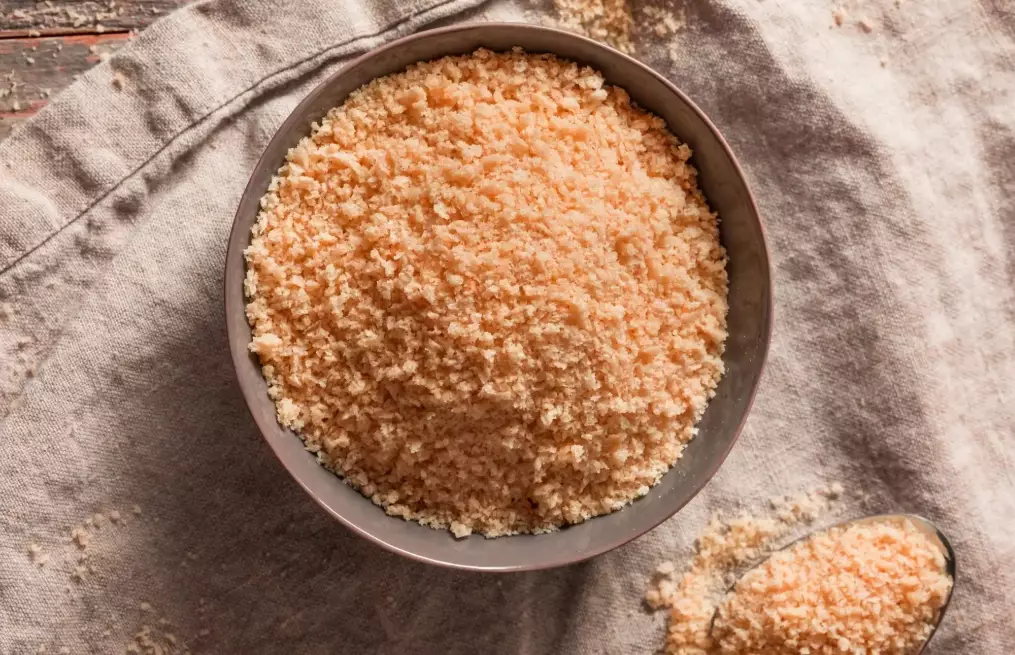
Using Panko in Cooking: From Classic to Creative
Panko's uses go far beyond just coating fried foods. In Japanese cuisine, it's essential for dishes like tonkatsu, ebi fry (fried shrimp), and korokke (croquettes). But let's get practical—here are some ways I use panko in my kitchen, both traditionally and innovatively.
Classic Dishes with Panko: For tonkatsu, dip pork cutlets in flour, egg, then panko, pressing lightly to adhere. Fry at 170°C (340°F) until golden. The panko creates a shaggy, crispy crust that doesn't get soggy quickly. Another favorite is chicken katsu, where panko's lightness balances the richness of the meat.
Creative Uses Beyond Frying: Panko works wonders in baked dishes. Try it as a topping for mac and cheese—mix panko with melted butter and Parmesan, then sprinkle over before baking. It adds a crunch without making the dish heavy. I also use it in meatballs or meatloaf to keep them moist and airy. For a healthier twist, toss vegetables like zucchini or cauliflower in olive oil and panko, then air-fry at 200°C (400°F) for 10-15 minutes. This method leverages the air fryer trend, giving a crispy result with less oil.
One mistake I see often is people over-packing panko when coating. If you press too hard, you crush the flakes and end up with a dense layer that absorbs more oil. Instead, lay the panko on a plate and gently press the food into it, allowing the flakes to cling naturally. This small adjustment can make a huge difference in texture.
Panko vs. Western Breadcrumbs: A Detailed Comparison
To understand why panko is special, let's compare it directly with Western breadcrumbs. Many recipes call for one or the other, but they aren't interchangeable without adjustments. Here's a table that breaks down the key differences based on my experience and industry insights.
| Aspect | Panko (Japanese Bread Crumbs) | Western Breadcrumbs |
|---|---|---|
| Texture | Large, flaky, airy flakes | Fine, sandy, or granular particles |
| Color | White to off-white, less toasted | Golden brown, often toasted |
| Oil Absorption | Lower, due to porous structure | Higher, leading to heavier coatings |
| Best Uses | Frying, baking, toppings for crispiness | Breading, binding (e.g., meatballs), stuffing |
| Common Dishes | Tonkatsu, ebi fry, korokke | Fried chicken, meatloaf, casserole toppings |
| Storage | Keep in airtight container, lasts 6 months | Similar, but may stale faster due to finer texture |
From this, you can see that panko excels in applications where you want a light, crispy outcome. Western breadcrumbs are better for binding or when a denser texture is desired. A pro tip: if a recipe calls for Western breadcrumbs and you only have panko, pulse the panko in a food processor a few times to break it down slightly. But don't overdo it—you still want some flakiness.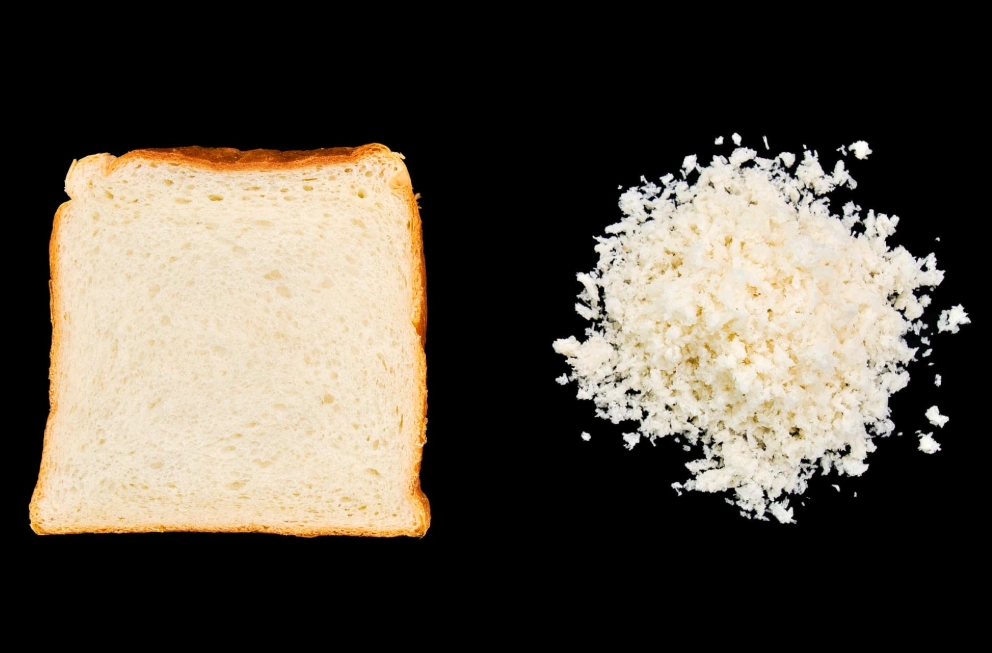
Buying Guide: How to Choose the Best Panko
Not all panko is created equal. When shopping, look for brands that prioritize flake size and freshness. Here are some recommendations based on availability and quality.
Top Panko Brands:
- Nisshin Panko: Widely available in Asian grocery stores and online. It has consistent flake size and stays crispy well. Price range: $3-$5 for a 200g bag.
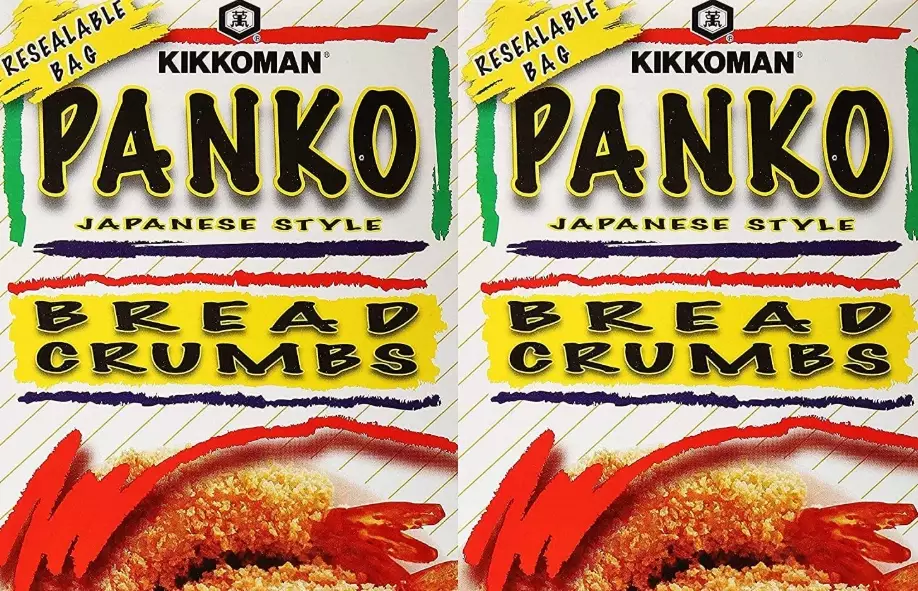
- Kikkoman Panko: Another reliable brand, often found in international aisles of supermarkets. It's slightly coarser, great for heavy coatings. Price: $4-$6 per bag.
- House Foods Panko: A good option for finer flakes, suitable for baking. I've used it for toppings on casseroles with success. Price: $3-$4.
You can also find panko in stores like Whole Foods or Walmart in the Asian food section. Online retailers like Amazon stock various brands—check reviews for flake consistency. Some stores even carry whole-wheat panko for a healthier twist, though it might be denser.
One thing I've learned is to avoid panko that looks too uniform or powdery; it might be low-quality or stale. Fresh panko should have a slight sheen and separate easily when you rub it between your fingers. If it clumps, it's probably absorbed moisture and won't crisp up properly.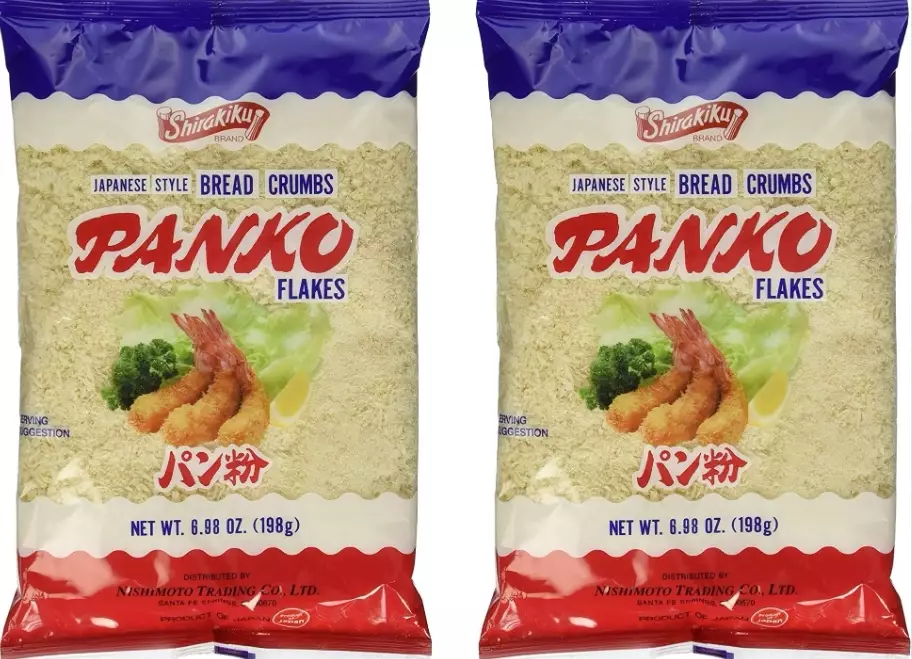
Personal Insight: I once bought a cheap off-brand panko that turned mushy after frying. It taught me that investing in a reputable brand makes a difference, especially for dishes where texture is key. Don't just grab the cheapest option—read the label to ensure it's made from crustless bread and air-dried.
FAQ: Expert Answers to Your Panko Questions
 Japanese bread crumbs, or panko, are more than just a cooking ingredient—they're a tool for transforming textures in your kitchen. From its unique production to versatile applications, understanding panko can elevate your dishes from good to exceptional. Whether you're frying, baking, or air-frying, remember that light handling and quality matter. Give it a try in your next recipe, and you might just find yourself hooked on that perfect crunch.
Reader Comments