If you've ever scanned a sushi menu and wondered, "What is tekka maki in English?", the direct answer is simple: a tuna roll. But stopping there is like calling a classic novel just a book. Tekka maki is one of the most fundamental, pure, and historically rich items in sushi cuisine. It's a hosomaki (thin roll) with just two core ingredients: vinegared sushi rice and raw tuna, wrapped in a sheet of nori (seaweed). No cucumber, no avocado, no fancy sauces to hide behind. Its beauty lies in that stark simplicity, which demands the highest quality fish and perfectly seasoned rice.
What You'll Discover in This Guide
- What is Tekka Maki? – Beyond the Simple Translation
- The History Behind the Name: From Gambling Dens to Sushi Counters
- How Tekka Maki is Made: The Art of Simplicity
- How to Order and Eat Tekka Maki Like a Pro?
- Where to Find Great Tekka Maki: A Curated Shortlist
- Common Tekka Maki Mistakes and How to Avoid Them
What is Tekka Maki? – Beyond the Simple Translation
Calling it a "tuna roll" is accurate, but it misses the cultural specificity. In a proper sushi restaurant, "tekka maki" refers to a very specific preparation. The tuna used is almost always akami – the lean, deep red cut from the back of the fish. It's prized for its clean, meaty flavor and firm texture. You won't typically find the fatty otoro (tuna belly) in a tekka maki; that's a different experience altogether.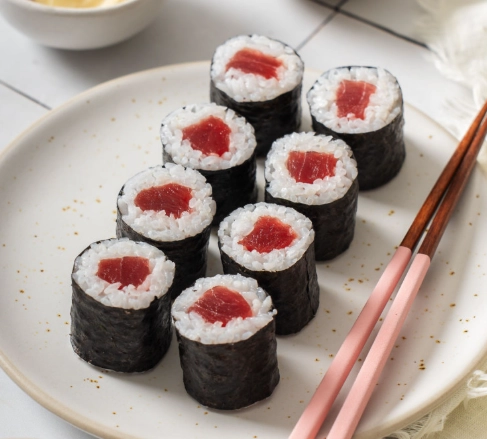
The roll itself is a hoso-maki, meaning "thin roll." It's about an inch in diameter, cut into six pieces. The ratio is crucial: a thin layer of rice, a strip of premium tuna, all held together by the nori. This isn't the giant, mayo-drenched "spicy tuna roll" you find in many Western fusion spots. That's a different beast, often made with scrap tuna and lots of filler. Authentic tekka maki is about restraint and highlighting the fish.
Quick Identity Check: If you see a thick roll packed with multiple ingredients labeled "tekka maki," it's likely not traditional. The real deal is slender, minimalist, and lets the tuna be the star.
The History Behind the Name: From Gambling Dens to Sushi Counters
Here's where it gets interesting. "Tekka" (鉄火) doesn't mean tuna. It literally translates to "red-hot iron" or "fire." So why is a cool, raw fish roll named after something so hot? The most accepted theory takes us back to the Edo period (1603-1868).
Sushi, in its early fast-food form (Edo-mae sushi), was sold at street stalls. These stalls were often set up near bustling, noisy places like theaters and… gambling dens. The gamblers, immersed in their high-stakes games, needed food they could eat quickly with one hand without looking away from the action. Tekka maki was perfect: neat, self-contained, and mess-free.
The name "tekka" is said to reference the intense, fiery atmosphere of the gambling dens themselves. Another theory suggests the deep red color of the tuna resembled the glow of hot iron. It was the original convenience food for people in a hurry, a fact that adds a layer of gritty, real-world history to this now-refined dish. The Japan National Tourism Organization's cultural pages often reference how Edo-period food culture shaped modern sushi.
How Tekka Maki is Made: The Art of Simplicity
Making tekka maki looks easy. It's not. I've tried at home, and getting that tight, even roll with the perfect rice-to-filling ratio is a skill that takes practice. Here's what goes into it:
The Rice (Shari): This is the foundation. Short-grain Japanese rice is cooked and seasoned with a mix of rice vinegar, sugar, and salt. The temperature matters – it should be body temperature when forming the roll, not cold and clumpy.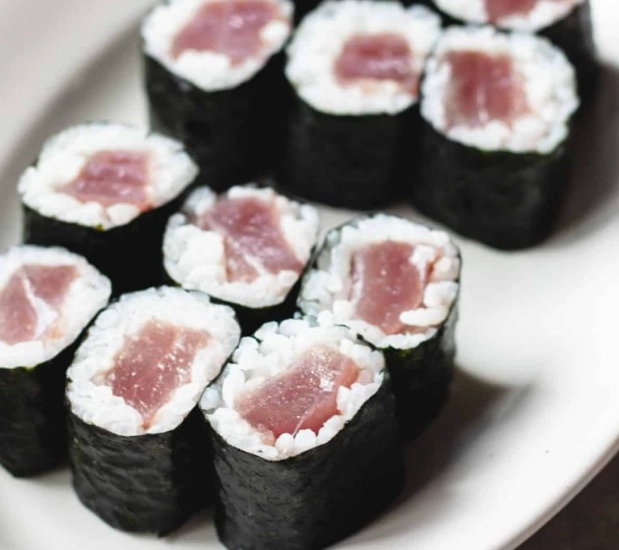
The Tuna (Maguro): A block of fresh, sashimi-grade akami tuna is cut into a long, rectangular strip (about 1 cm thick). The knife work needs to be clean to preserve the texture.
The Nori: A half-sheet of toasted nori is used. The shiny side faces out.
The chef spreads a thin, even layer of rice over the nori, leaving a small border at the top. The tuna strip is placed along the center. Then, using a bamboo mat (makisu), they roll it tightly with one fluid motion, applying even pressure. The roll is then cut into six equal pieces with a very sharp, wet knife to prevent tearing. Each piece should stand upright, showing a neat spiral of white rice, red tuna, and the dark green nori rim.
How to Order and Eat Tekka Maki Like a Pro?
Ordering tekka maki tells the chef you know your basics. It's a quiet nod to tradition. Here's how to get the most out of it.
When and How to Order It
In an omakase (chef's choice) meal, tekka maki often appears towards the end, as a palate-cleansing, filling closer. If ordering à la carte, it's a great starter or a refreshing counterpoint to richer, oilier fish like salmon or mackerel.
Don't drench it in soy sauce. The rice will absorb too much and fall apart, overpowering the tuna. Instead, lightly dip just the fish-side corner into your soy sauce. If you want to be precise, some connoisseurs use a piece of gari (pickled ginger) as a brush to apply a tiny amount of soy sauce directly to the fish.
Wasabi is usually already inside the roll, placed between the rice and the tuna by the chef. Adding more is often unnecessary and can overwhelm the delicate flavor.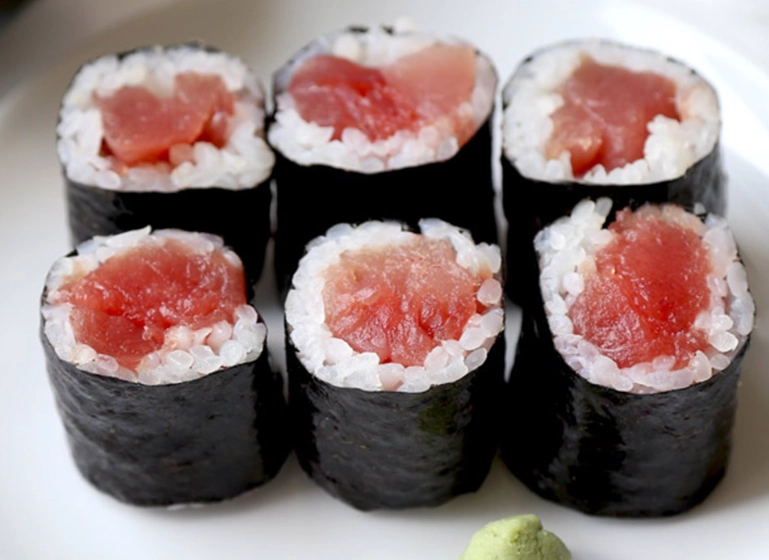
The Right Way to Eat It
Eat it in one bite if you can. This ensures you get all the flavors and textures – the slight chew of the nori, the seasoned rice, and the cool, soft tuna – in perfect harmony. Two bites are acceptable if the piece is large, but it risks the roll falling apart.
Where to Find Great Tekka Maki: A Curated Shortlist
A great tekka maki is a test of a sushi bar's fundamentals. Here are a few places, based on style and philosophy, where you can experience an exceptional version. (Note: Always check current hours and reservations).
| Restaurant / Style | Location & Vibe | Why Their Tekka Maki Stands Out | Approx. Price per Order |
|---|---|---|---|
| Sushi Noz (Edomae Traditional) | New York, NY. Intimate, high-end counter. | Chef Noz uses aged akami tuna, which deepens the umami flavor. The rice is seasoned with red vinegar, giving a complex, slightly sharper taste that pairs brilliantly with the fish. | $12 - $18 |
| Sushi Dai (Market Fresh) | Tsukiji Outer Market, Tokyo. Bustling, queue-early spot. | The tuna is unbelievably fresh, sourced just feet away. The roll is a masterclass in balance – the rice is slightly warmer, making the cool tuna pop. It's the textbook definition. | ¥800 - ¥1,200 |
| KazuNori (Specialist Hand Roll Bar) | Los Angeles, CA. Casual, fast-paced. | They serve it as a temaki (hand roll) made to order right in front of you. The nori is crisp, the rice warm, and the tuna cut generously. It's a fantastic, accessible introduction. | $7 - $9 per hand roll |
| Your Local Authentic "Stand-up" Sushi | Any major city. Often in Japantown or business districts. | These no-frills spots focus on speed and quality basics. The tekka maki is often made in batches with well-executed, simple ingredients. It's the modern echo of its gambling-den origins. | $5 - $8 |
Common Tekka Maki Mistakes and How to Avoid Them
After years of eating sushi, I've seen people (and restaurants) get tekka maki wrong in subtle ways that ruin the experience.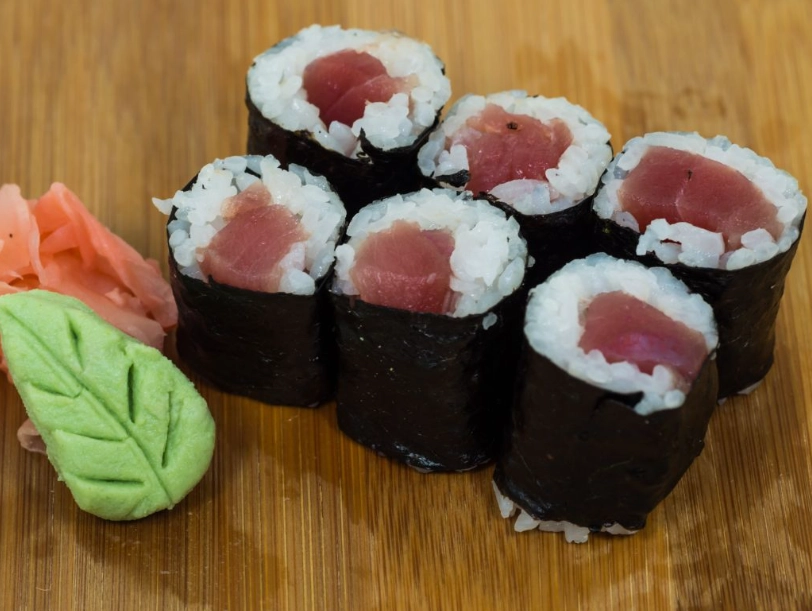
Mistake 1: Assuming it's "spicy." Because "tekka" sounds a bit like "teka" or due to confusion with "spicy tuna rolls," some expect heat. There's no spice in traditional tekka maki. The flavor profile is clean, savory, and slightly sweet from the rice.
Mistake 2: Using low-grade or frozen tuna. The tuna must be sashimi-grade. If it's mushy, has a dull color, or a faintly metallic smell, send it back. The fish should be firm and smell like the ocean, not fishy.
Mistake 3: The rice is wrong. Cold, hard, or overly sweet rice is a deal-breaker. The rice should be cohesive but fluffy, with a balanced sweet-sour seasoning that complements, not masks, the tuna.
Mistake 4: The roll is loose or uneven. A poorly rolled maki that falls apart when picked up is a sign of inexperience. Each piece should be tight and uniform.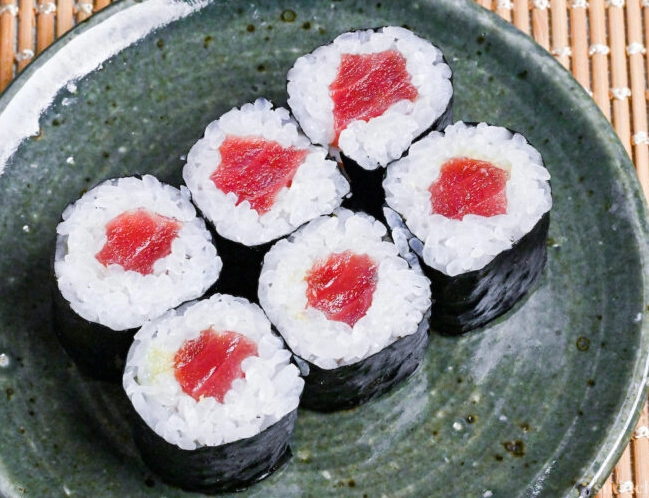
Reader Comments