You've got a plate of crispy, juicy gyoza in front of you. The steam is rising, the aroma is irresistible. Now comes the critical decision: what sauce are you dipping it in? Get this wrong, and you can flatten the delicate flavors you worked so hard to create. Get it right, and you elevate a great dish into something unforgettable. After years of cooking in kitchens and eating my way through izakayas from Tokyo to New York, I've learned that the sauce isn't just an afterthought—it's the co-star of the show.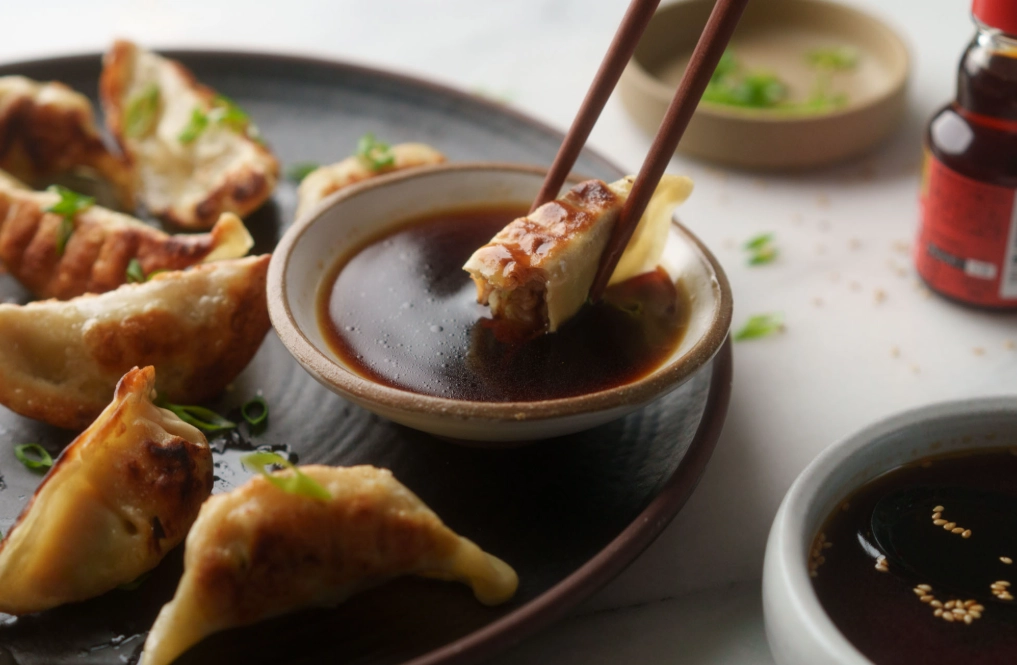
This guide isn't just a list. We're going deep on the what, the why, and the how. We'll cover the traditional pillars, explore bold regional twists most blogs never mention, and I'll share the one balancing mistake I see almost every home cook make (and how to fix it in seconds).
Your Quick Guide to Gyoza Sauce Heaven
The Foundation: Essential Sauce Components
Think of these as your sauce building blocks. Understanding each one lets you mix and match like a pro.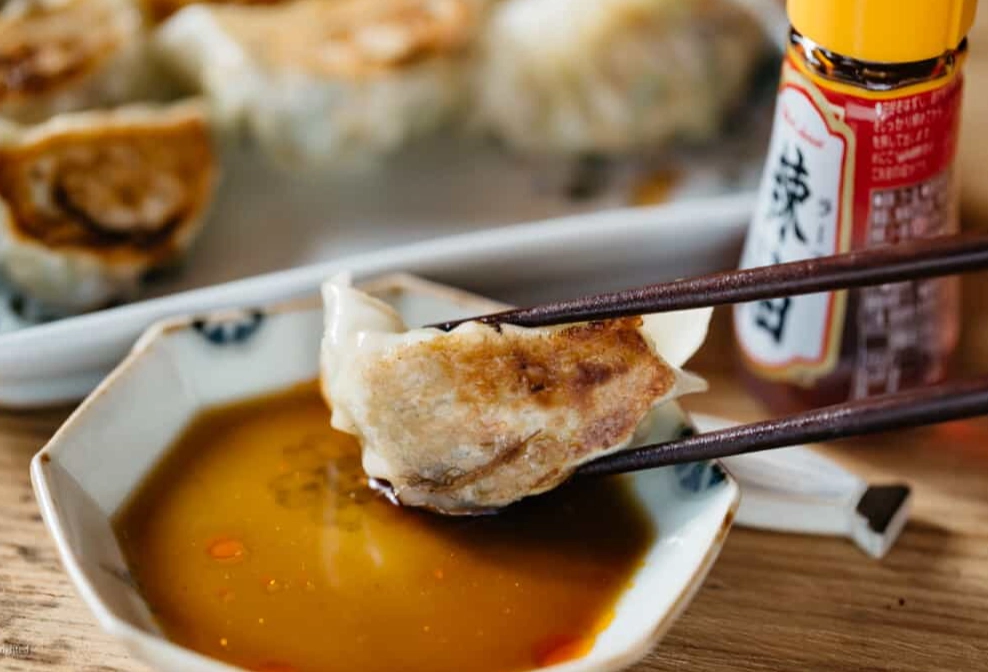
Soy Sauce (Shoyu)
This is your base, your umami backbone. Not all soy sauces are equal. For gyoza, you typically want a koikuchi shoyu (dark soy sauce) like Kikkoman. It's all-purpose, rich, and not too salty. Some purists in Western Japan might use usukuchi (light soy sauce), which is actually saltier but lets the other flavors shine through with a clearer color. Using a cheap, harsh soy sauce is your first potential misstep—it'll taste one-dimensional and overly salty.
Rice Vinegar (Su)
The bright counterpoint to soy sauce's depth. It cuts through the fattiness of the pork in the gyoza. Unseasoned rice vinegar is the standard. The acidity level is milder than Western vinegars, so it blends without fighting. A little secret from a sushi chef I worked with: a drop of aged black vinegar (kurozu) can add a fascinating, mellow complexity, but use it sparingly.
Chili Oil (Rayu) & Sesame Oil
Heat and fragrance. Rayu is chili-infused sesame oil, and it's a game-changer. It adds a warm, lingering spice, not just blunt heat. Toasted sesame oil, used in tiny amounts, adds a deep nutty aroma. A common error is drowning the sauce in sesame oil. You're aiming for a whisper, not a shout—half a teaspoon is often enough for a whole dipping bowl.
The Aromatics: Garlic, Ginger, Scallions
This is where personality comes in. Freshly grated garlic and ginger are transformative. The pre-minced stuff in jars lacks the vibrant, sharp punch. Thinly sliced scallions add a fresh, oniony crunch. My personal rule? Always include at least one of these. A sauce without them feels naked to me.
Classic Gyoza Dipping Sauce Combinations
These are the tried-and-true formulas you'll find in homes and restaurants across Japan. They work because the balance is perfected.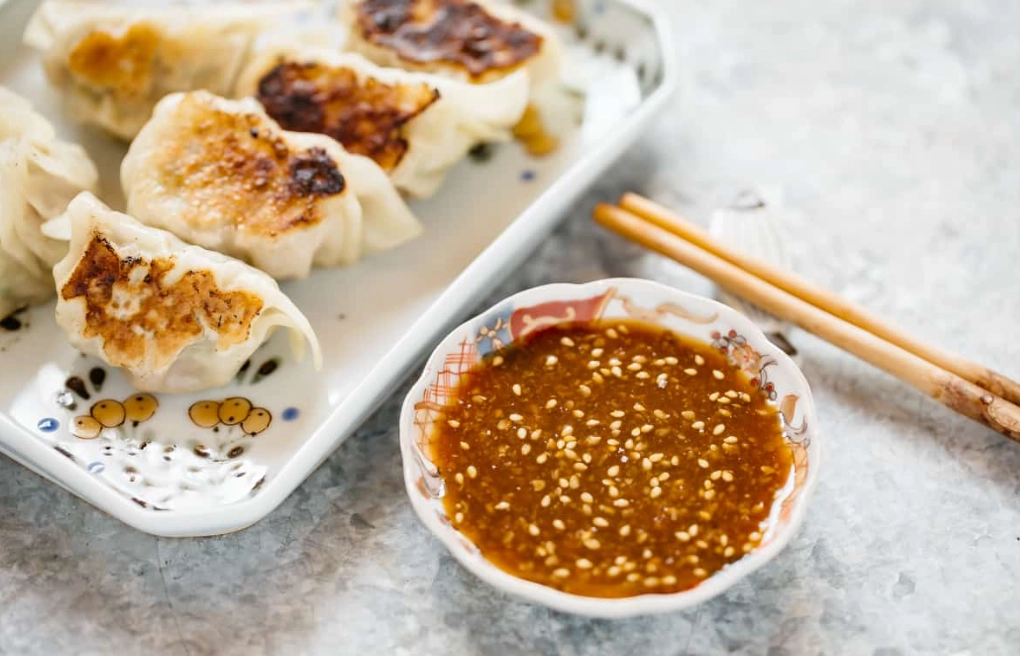
The Standard Bearer (Ponzu-Style): This is the one. 3 parts soy sauce to 1 part rice vinegar. Add a few drops of rayu and a sprinkle of finely sliced scallion. It's balanced, versatile, and highlights the gyoza itself. This is my default, my safe harbor.
The Rich & Nutty: Start with the standard bearer above. Now, add half a teaspoon of toasted sesame oil and a small spoonful of ground toasted sesame seeds or a drizzle of tahini. This version clings to the gyoza better and is fantastic with vegetable gyoza.
The Spicy Kick: For the standard sauce, increase the rayu. Don't just add more oil—consider adding a tiny pinch of shichimi togarashi (Japanese seven-spice) or a few slices of fresh red chili. This builds layers of heat.
I used to think more ingredients meant a better sauce. I'd throw in a bit of everything. The result was often a muddy, confused flavor where nothing stood out. Simplicity with quality ingredients usually wins.
Beyond the Basics: Creative and Regional Gyoza Sauces
Once you master the classics, the world opens up. Here are some less common but incredible pairings.
Sesame Miso Sauce: Whisk together a tablespoon of white (shiro) miso, a teaspoon of sugar, a tablespoon of water, and a teaspoon of rice vinegar until smooth. Drizzle in a teaspoon of sesame oil. This is thick, creamy, and packed with umami. It's less of a dip and more of a coating. Perfect for boiled (sui) gyoza.
Yuzu Kosho & Soy: This is a secret weapon from Kyushu. Yuzu kosho is a paste made from yuzu citrus peel and chili peppers. Mix a small pea-sized amount with soy sauce and a touch of vinegar. It's explosively fragrant, citrusy, and spicy all at once. A little goes a very long way.
The "Everything Sauce": In some modern izakayas, they serve a thick, drizzle-able sauce. It's often a blend of soy sauce, mirin, a bit of sugar, thickened with starch or pureed vegetables, and loaded with minced garlic and scallions. It's more of a glaze or a topping than a dip.
Vinegar-Forward Dip (for Heavy Fryers): If your gyoza are particularly oily or rich, try a sauce that's 2 parts vinegar to 1 part soy sauce. The extra acidity acts as a palate cleanser. Add a lot of fresh ginger to this one.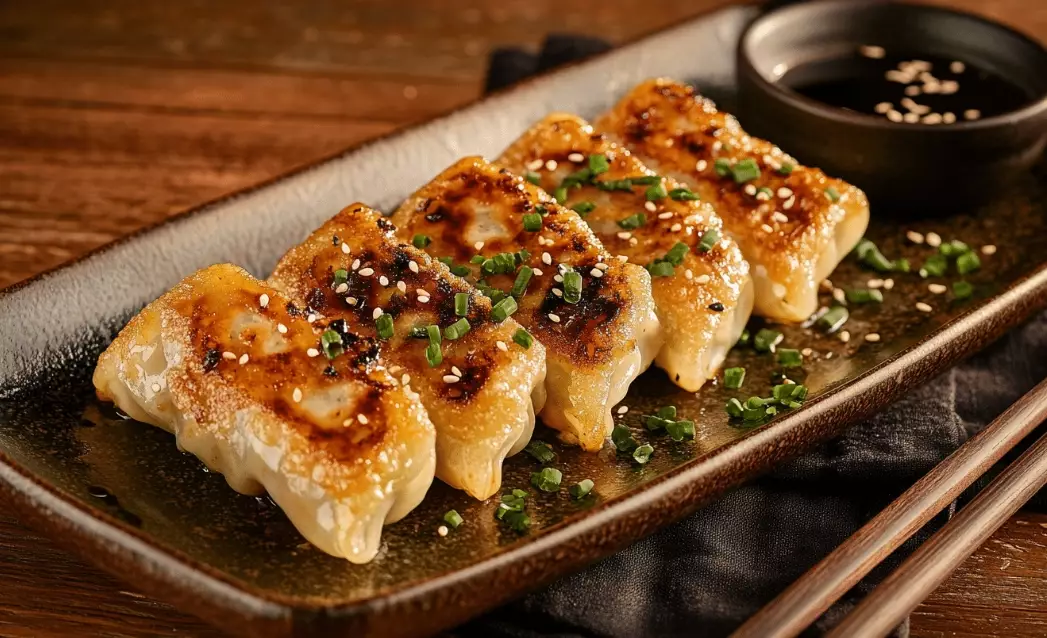
Crafting Your Perfect Gyoza Sauce: A Step-by-Step Guide
Let's walk through making the perfect classic sauce, with adjustments for your taste.
Step 1: Choose Your Bowl. Use a small, wide bowl. This gives you space to mix and an easy dipping surface for the gyoza.
Step 2: The Base Ratio. Pour 3 tablespoons of soy sauce into the bowl. Add 1 tablespoon of unseasoned rice vinegar. Swirl it. This is your canvas.
Step 3: Aromatics. Grate in a small clove of garlic (about 1/2 tsp). Grate in an equivalent amount of fresh ginger. Add one finely sliced scallion (green part only).
Step 4: Heat & Fat. Add 1/2 to 1 teaspoon of rayu (chili oil), depending on your heat tolerance. Add 1/4 teaspoon of toasted sesame oil. Do not skip the sesame oil—it's the aromatic glue.
Step 5: Taste and Adjust. THIS IS THE MOST IMPORTANT STEP.
Dip the tip of a spoon or a piece of lettuce in. Ask yourself:
- Too salty/sharp? Add a tiny splash of water or a pinch of sugar. A drop of mirin works too.
- Too flat? Add a few more drops of vinegar.
- Not enough punch? Add more grated garlic or a pinch of white pepper.
Your sauce should make your mouth water slightly before you even dip the gyoza.
Common Gyoza Sauce Mistakes and How to Avoid Them
I've seen these over and over. Avoiding them instantly puts you in the top tier of gyoza servers.
Mistake 1: Using 100% Straight Soy Sauce. This is the biggest error. Straight soy sauce is overwhelming. It salts the outside of the gyoza but doesn't complement it. It's like drinking espresso without water. The Fix: Always cut it with vinegar or another liquid.
Mistake 2: Not Tasting the Sauce Alone. You mix it and just start dipping. The balance might be off. The Fix: Always do the spoon-taste test and adjust. Your gyoza deserve it.
Mistake 3: Making a Huge Batch. The fresh aromatics (garlic, ginger, scallion) lose their vibrancy quickly. The Fix: Mix sauce fresh for each meal, or at most, a few hours ahead without the aromatics, adding them right before serving.
Mistake 4: Ignoring the Gyoza Cooking Method. A sauce for pan-fried (yaki) gyoza can be richer. For boiled (sui) gyoza, you might want a lighter, more vinegar-forward sauce to cut the soft texture. The Fix: Think about the texture of your dumpling when you mix.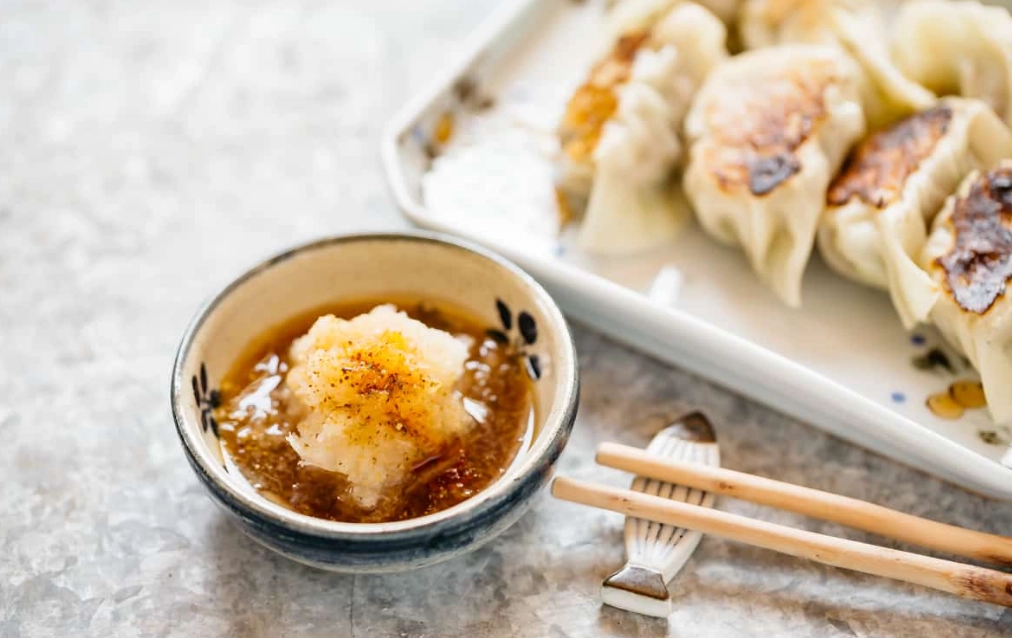
Your Gyoza Sauce Questions, Answered
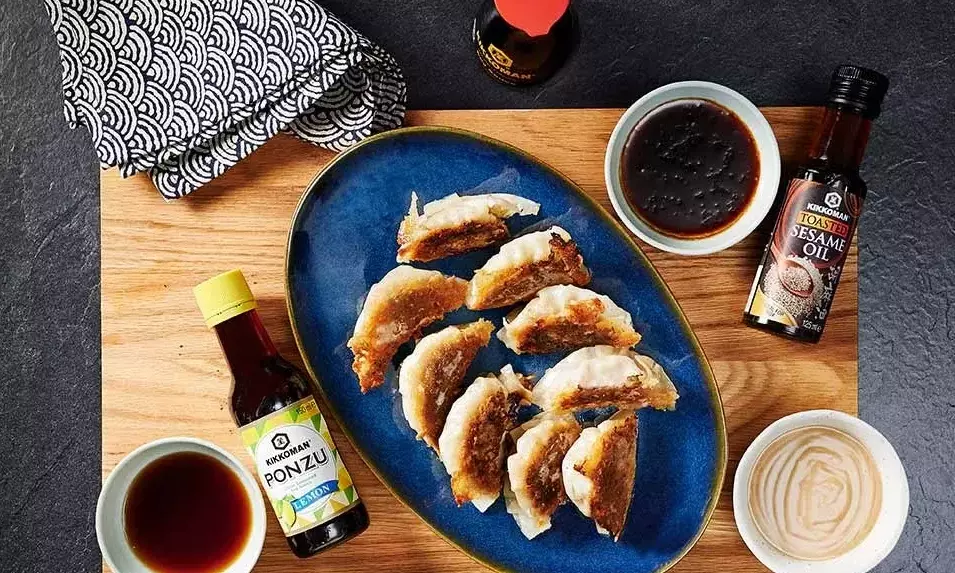 Is it okay to mix the sauce directly on my plate?
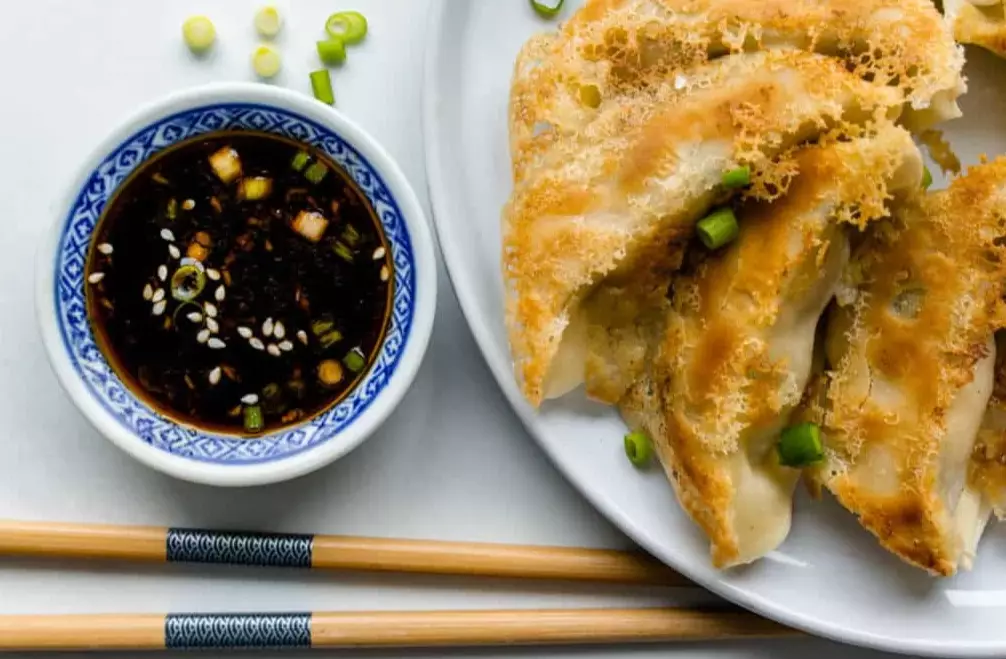 So, what sauce should you have with gyoza? Start with the classic 3:1 soy-vinegar mix, seasoned with chili oil and scallions. Master that balance. Then, don't be afraid to experiment with a touch of miso, a hint of yuzu, or extra garlic. Remember, the sauce is there to enhance, not overwhelm. Your perfect gyoza moment isn't just about the dumpling in the pan; it's about the flavor journey that happens from the plate, through the sauce, and into your mouth. Now go forth and dip with confidence.
Reader Comments