Let's cut to the chase. The magic of a great traditional gyoza sauce isn't a secret ingredient—it's the perfect balance. After years of tweaking and tasting, I've found most home recipes get one critical element wrong, throwing the whole harmony off. A truly authentic dipping sauce for Japanese pan-fried dumplings relies on a precise interplay between savory, tangy, and aromatic elements. This guide will give you that foundational 3:2:1 ratio, then show you how to master it, customize it, and avoid the common pitfalls that leave your sauce tasting flat or overly harsh.
Quick Navigation: Your Sauce Guide
The Perfect Ratio: Deconstructing the Classic Trio
Forget vague "parts." The backbone of a traditional gyoza dipping sauce is a simple, volumetric ratio: 3 parts soy sauce, 2 parts rice vinegar, 1 part sesame oil. This isn't arbitrary. The soy sauce (preferably a Japanese usukuchi or koikuchi) provides the deep umami and salt base. The rice vinegar (not distilled white vinegar) adds a clean, sharp acidity that cuts through the fat of the gyoza. The sesame oil (toasted, always toasted) brings the nutty fragrance and rounds everything out.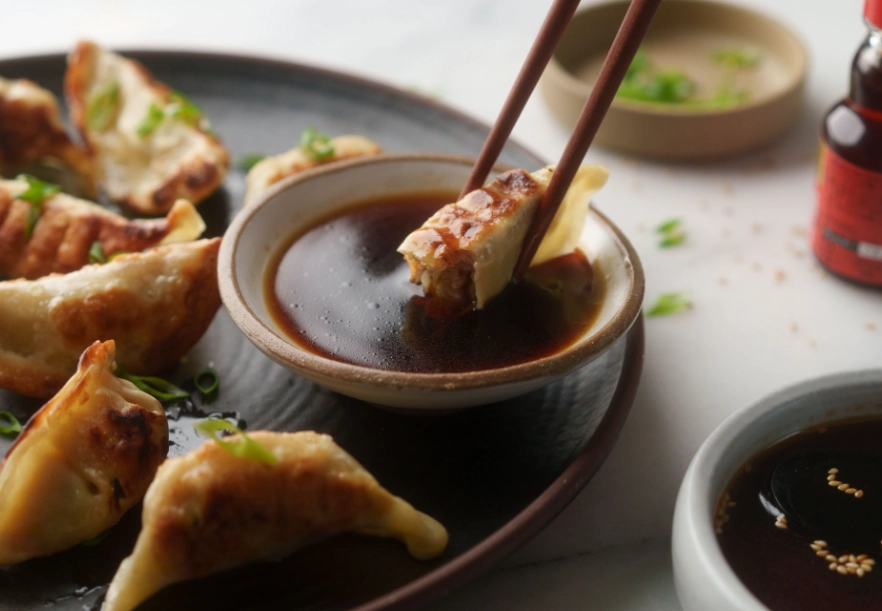
Here’s the breakdown in a typical serving size, with notes on why each component matters and how to choose the right one.
| Ingredient | Ratio (for 1 serving) | Best Type to Use | Function & Pro Tip |
|---|---|---|---|
| Soy Sauce | 1.5 tablespoons (3 parts) | Japanese Koikuchi (regular) or Usukuchi (light color) | Provides umami and salt foundation. Usukuchi is saltier but keeps the sauce visually lighter. Avoid overly thick, sweet "dark" soy sauces meant for Chinese cooking. |
| Rice Vinegar | 1 tablespoon (2 parts) | Unseasoned Japanese Rice Vinegar | Delivers clean acidity. This is the most common mistake—using harsh white vinegar or seasoned rice vinegar (which has added sugar/salt) will unbalance your ratio. |
| Toasted Sesame Oil | 1.5 teaspoons (1 part) | Pure, 100% Toasted Sesame Oil | Adds nutty aroma and richness. A little goes a long way. Don't use raw sesame oil—it lacks flavor. Check the label to ensure it's pure. |
That's your core. Combine these three in a small bowl, give it a quick stir, and you already have a sauce that's miles ahead of anything from a packet. But this is just the launchpad. The real artistry begins when you start layering in additional flavors.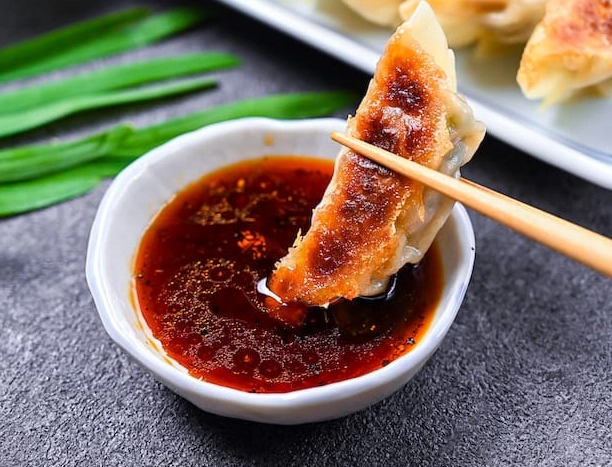
How to Customize Your Gyoza Sauce (Beyond the Basics)
Now we personalize. Think of the base ratio as your canvas. The following add-ins are your colors. You don't need all of them, but choosing one or two from each category will create a sauce that matches your meal and mood.
The Aromatics: These add fragrance and a bit of texture. Finely mince them so they blend into the sauce.
- Garlic: A tiny bit of grated or microplaned garlic is transformative. Start with 1/4 teaspoon per serving.
- Ginger: Same as garlic—freshly grated. It pairs beautifully with pork gyoza.
- Green Onion/Scallion: The green part, thinly sliced. Adds freshness and color.
- Rayu (Chili Oil): My personal favorite. A few drops of the oil, or a small spoonful of the crunchy chili flakes from the bottom of the jar, adds heat and complexity. This is a must-try.
The Flavor Enhancers: These tweak the core profile subtly.
- A touch of sweetness: A mere 1/4 teaspoon of sugar, mirin, or even a drop of honey can soften the acidic edge. Be cautious—this isn't a sweet and sour sauce.
- Citrus zest: A tiny grate of yuzu, lemon, or lime zest can brighten the sauce incredibly. It's an underused trick.
- White Pepper: A pinch adds a different kind of warmth compared to chili oil.
My go-to advanced build? The base 3:2:1, plus a whisper of grated garlic, a few drops of rayu, and the tiniest pinch of sugar. It's balanced but has character.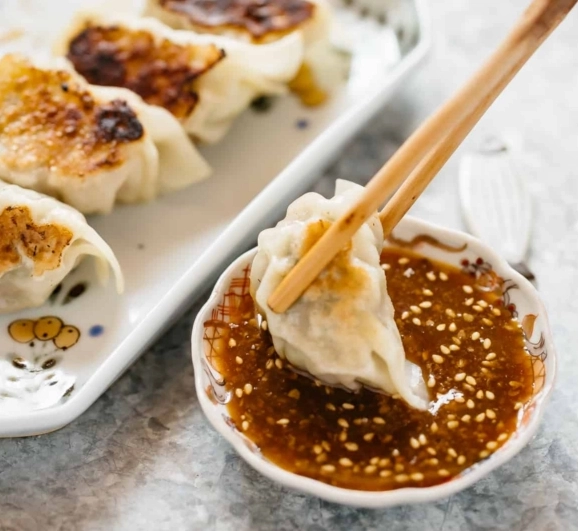
What Are the Common Gyoza Sauce Mistakes to Avoid?
I've seen these errors ruin countless sauces. Avoiding them is as important as following the recipe.
Using the Wrong Vinegar
This is the cardinal sin. Distilled white vinegar is too sharp and acidic. Seasoned rice vinegar already contains sugar and salt, which throws off your careful ratio. You'll end up with a sauce that's either too sweet or, if you compensate, too salty. Stick with plain, unseasoned rice vinegar. The difference is night and day.
Overcomplicating with Too Many Ingredients
More is not better. I've seen recipes calling for oyster sauce, hoisin, sesame paste, or even ketchup. These are powerful flavors that dominate and muddy the clean profile you want for gyoza. They belong to other cuisines. Traditional Japanese gyoza sauce is elegant in its simplicity. Respect the core trio.
Not Letting it Meld
While you can mix and serve immediately, the flavors integrate and improve if you let the sauce sit for 10-15 minutes, especially if you've added aromatics like garlic or ginger. This brief rest allows the sharp edges to soften and the flavors to marry. Plan ahead just a little.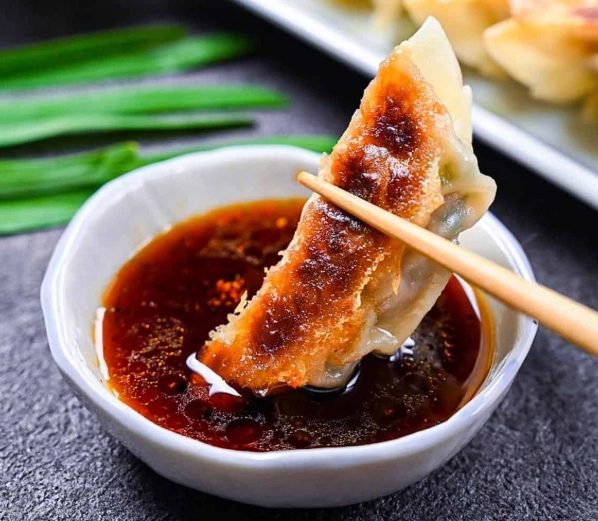
Advanced Tips & Serving Suggestions
Texture Play: For a more engaging experience, don't mince your garlic or ginger too finely. A slightly coarse grate will give little bursts of flavor. Or, add some crushed toasted sesame seeds for a nutty crunch.
The Vessel Matters: Serve your sauce in a small, shallow dish or ramekin. This makes dipping easier and allows you to control how much sauce you get with each gyoza. A deep bowl is awkward.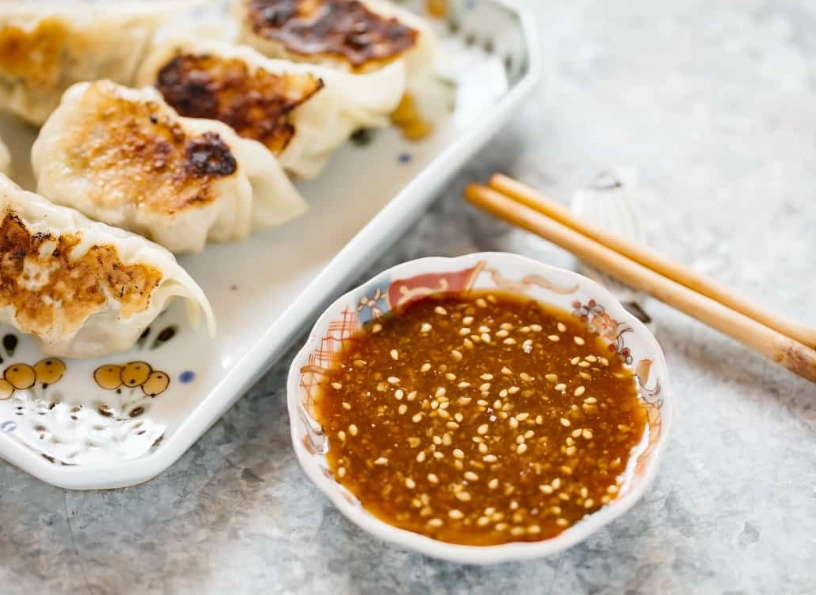
Beyond Gyoza: This sauce is incredibly versatile. Try it with:
- Steamed or fried dumplings (like shumai or potstickers)
- As a dressing for cold noodle salads (soba or somen)
- A dipping sauce for steamed or grilled vegetables
- A quick marinade for chicken or tofu before pan-frying
Storage: You can make a larger batch without the fresh aromatics (garlic, ginger, green onion) and store it in a sealed jar in the fridge for up to two weeks. The oil might solidify slightly when cold; just let it come to room temperature and shake before using. Add fresh aromatics per serving for the best flavor.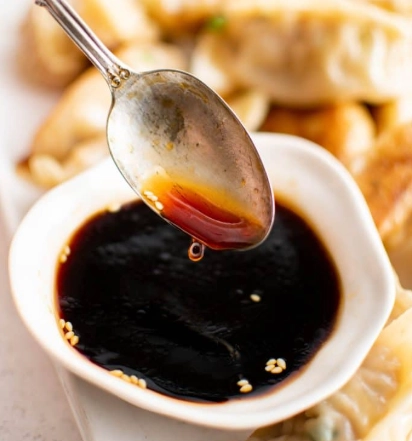
Reader Comments