Let's be honest. You've probably had ramen from a packet. Maybe you've tried a trendy fusion spot with ramen burgers. But that's like comparing a gas station coffee to a single-origin pour-over. Traditional ramen is a different beast entirely—a soulful, technical, and deeply regional dish that's more than just noodles in broth. It's a ritual. I spent years in Tokyo chasing the perfect bowl, making every mistake in the book, from ordering wrong to committing major slurping faux pas. This guide cuts through the noise. We'll look at where it really came from, break down what makes each style unique, and I'll give you my personal, no-BS list of where to find the best traditional ramen in Tokyo. No fluff, just the good stuff.
What's Inside?
From Chinese Noodles to Japanese Icon
The story doesn't start in a fancy Tokyo restaurant. It starts with Chinese wheat noodles, introduced by immigrants in the late 19th century. The dish was called "shina soba" back then. The real game-changer was after World War II. Cheap American wheat flooded in, and ramen became the ultimate, filling fast food for a rebuilding nation. It was sold from street carts (yatai), not restaurants. Each region of Japan took this basic template and ran with it, using local ingredients. Hokkaido had rich dairy for miso ramen. Kyushu had tonkotsu (pork bone) from its pig farming. Tokyo developed a lighter, soy-based shoyu ramen. Calling it just "Japanese noodle soup" misses the point—it's a culinary history lesson in a bowl.
The Four Pillars of a Traditional Ramen Bowl
Think of a great ramen as a balanced ecosystem. Mess with one part, and the whole thing suffers.
The Soup (The Soul)
This is the heart of the matter. A proper broth simmers for hours, sometimes over a day. It's not just water with flavoring. It's an emulsion of collagen, fat, and minerals extracted from bones (pork, chicken, sometimes fish). The "tare" (seasoning sauce) added at the end—shoyu, miso, salt—determines the final flavor profile. A common mistake is judging a ramen by how clear or cloudy the soup is. Cloudiness (like in tonkotsu) means fat and protein are emulsified into the broth, creating a creamy, thick mouthfeel. Clarity often indicates a strained, poultry-based broth. Both are valid. The real test is the depth of flavor that lingers after you swallow.
The Noodles (The Engine)
They're not an afterthought. The noodle's shape, thickness, and water content are specifically designed to pair with the soup. A thick, wavy noodle (like in Sapporo miso) stands up to a robust, chunky broth. A thin, straight noodle (common in Tokyo shoyu) allows a lighter, clearer soup to coat it efficiently. Alkaline salts (kansui) give ramen noodles their signature yellow hue and springy, firm bite. If your noodles get mushy too fast, the shop either boiled them poorly or you waited too long to eat. Slurping isn't just polite; it aerates the noodles and cools them down, so you can eat faster and appreciate the texture before it goes soft.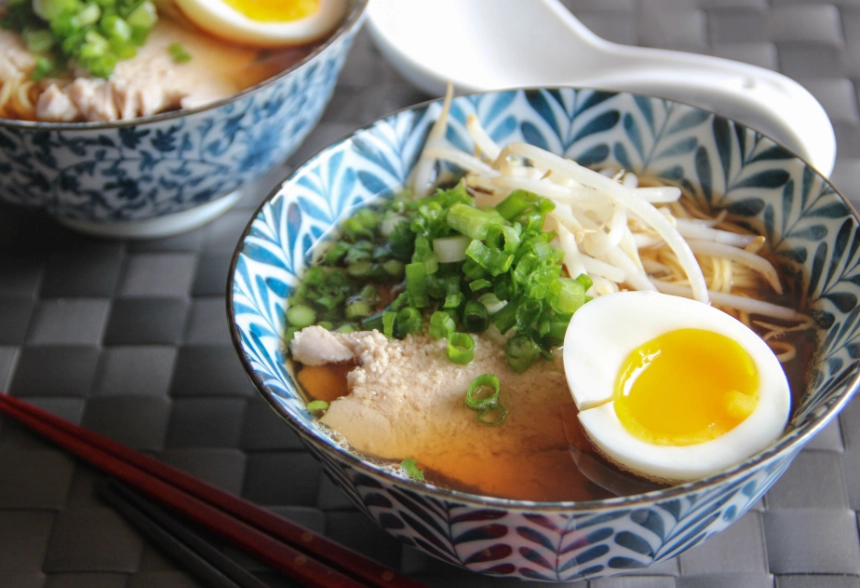
The Toppings (The Accent)
Chashu (braised pork belly or shoulder), menma (fermented bamboo shoots), a marinated soft-boiled egg (ajitsuke tamago), nori (seaweed), green onions. Each has a job. The fatty chashu cuts through rich soup. The crunchy menma adds texture. The egg yolk, when runny, acts as a secondary sauce, enriching the broth. A pet peeve of mine? A poorly made ajitsuke tamago. The yolk should be jammy, the white fully set but tender, and the marinade should have sweetened and seasoned it all the way through. A pale, bland egg is a sign of a lazy kitchen.
The Aroma Oil (The Secret Weapon)
This is the layer of flavored fat floated on top of the soup. It could be chicken fat, pork back fat (seabura), or garlic-infused oil. It seals in heat and delivers a massive aroma punch with the first sip. Don't mix it in completely right away. Drink some soup through the oil layer, then mix as you go to control the richness.
The Four Major Soup Types Explained
Forget fancy names. Traditional ramen boils down to four main families. Here’s what you’re actually getting.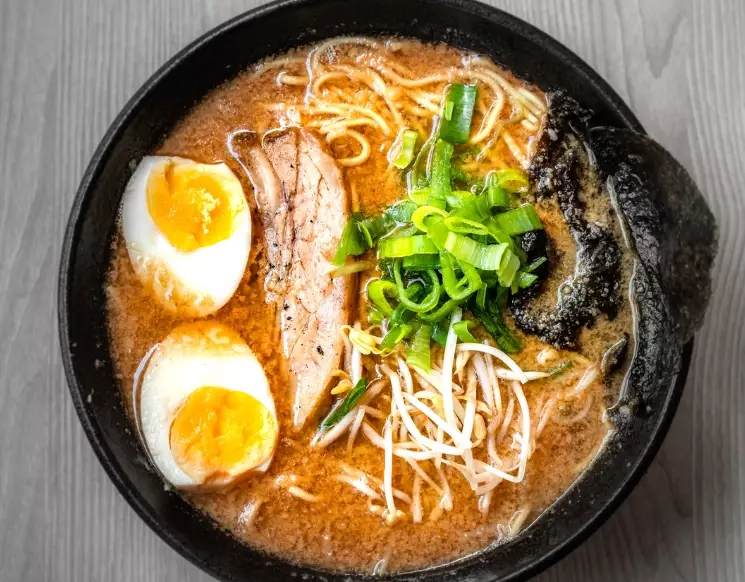
You'll also see hybrids like Tonkotsu-Shoyu (creamy pork broth with soy sauce seasoning) which is incredibly popular. The key is to identify the base broth first, then the seasoning.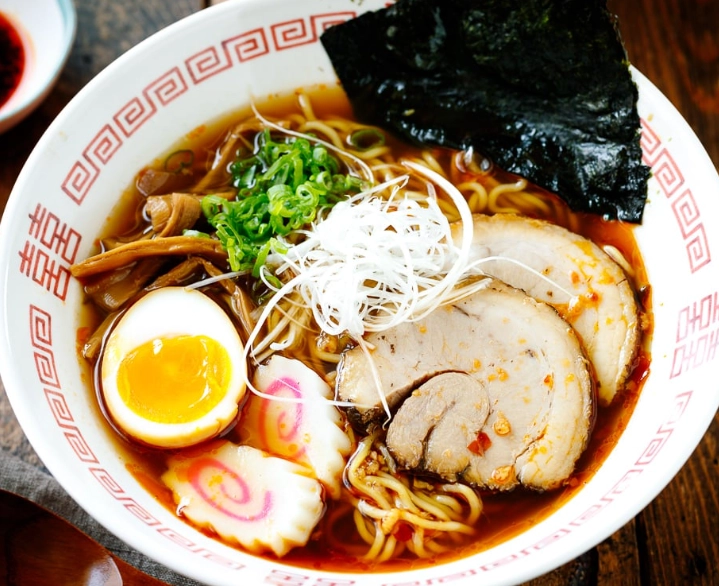
Where to Find Authentic Traditional Ramen in Tokyo
Tokyo is a labyrinth of 10,000+ ramen shops. These aren't just the highest-rated on Google; they're places that have stuck to their guns, often for decades, and do one thing exceptionally well. I've lined up, sometimes for over an hour, for each of these.
| Shop Name & Style | What Makes It Special | Address & Details |
|---|---|---|
| 1. Ichiran (Tonkotsu) | Yes, it's a chain. Yes, it's famous. But for a first-timer, it's a flawless, consistent introduction to tonkotsu. The solo dining booths eliminate intimidation, and you customize everything via a sheet (richness, garlic, noodle firmness). The broth is creamy, balanced, and addictive. | Multiple locations. The one in Shibuya is 24/7. Expect a line. A basic bowl is around 890 yen. No reservations, vending machine ticket system. |
| 2. Tsuta (Shoyu) | The world's first Michelin-starred ramen shop. Their signature is a shoyu ramen with a broth made from whole chickens, clams, and seasonal vegetables, finished with truffle oil and a secret soy blend. It's refined, complex, and unlike any other shoyu. | 1-14-1 Sugamo, Toshima-ku, Tokyo. Opens at 11 AM. Tickets are given out early in the morning for specific time slots. Be there by 7 AM to secure a spot. Bowls start at 1,500 yen. |
| 3. Nakiryu (Tantanmen) | Another Michelin-starred spot, famous for its tantanmen—a Japanese take on Sichuan dan dan noodles. It's a creamy, spicy, sesame-and-peanut based broth with ground pork, not the typical soup. It’s technically not "traditional" in the purest sense, but it's a masterpiece that shows the evolution of the form. | 2-34-4 Minamiotsuka, Toshima-ku, Tokyo. Ticket system. Long lines form well before opening at 11:30 AM. Closed Tuesdays. Around 1,000 yen. |
| 4. Ginza Kagari (Tori Paitan) | This place redefined chicken ramen. Their "Tori Paitan" is a thick, creamy, opaque broth made only from whole chickens—no pork. It's luxuriously smooth, almost like a velouté sauce, with tender chicken and thin noodles. A lighter but no less satisfying alternative to tonkotsu. | Ginza Corridor, 4-4-1 Ginza, Chuo-ku, Tokyo (basement). Expect a long queue. Bowls are around 1,100 yen. They have other branches with slightly shorter lines. |
| 5. Ramen Street (Tokyo Station) | Can't decide? Head to Tokyo Station's "Ramen Street" in the basement of the Yaesu side. It features outposts of eight famous ramen shops from across Japan, including classics like Rokurinsha (thick tsukemen dipping noodles) and Soranoiro (veggie-rich ramen). It's a ramen theme park. | Tokyo Station, 1st Floor, Yaesu South Exit. Easy access. Each shop has its own line. Perfect for a layover or a quick, guaranteed-quality bowl without traveling across the city. |
A quick note on Rokurinsha (mentioned above): If you see a massive, snaking line at Tokyo Station, it's probably for this tsukemen specialist. The noodles are served cold and thick with a separate bowl of intensely concentrated, fish-and-pork dipping broth. It's a heavy-hitting, flavor-bomb experience. Worth trying once, but it's a meal that will put you in a food coma for hours.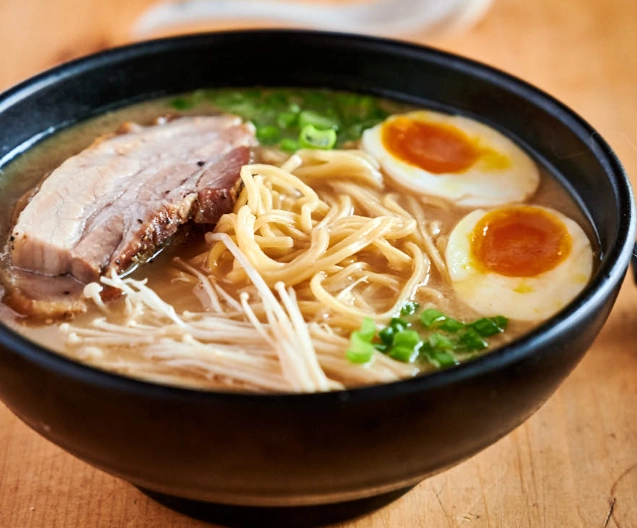
How to Eat Ramen Like You Know What You're Doing
Relax, the rules are simple. The goal is to enjoy the food as intended, not to perform.
Slurp. Do it. It cools the noodles, enhances flavor, and shows appreciation. A silent eater is a suspicious eater.
Don't dawdle. The noodles are cooked to be eaten quickly, before they soak up too much broth and soften ("nobiru"). 10-15 minutes max is the ideal pace.
Use the spoon and chopsticks in tandem. Use the spoon (renge) for broth. Use chopsticks for noodles and toppings. It's acceptable to lift the bowl to drink the last of the soup.
It's okay to make noise. Clinking, slurping, the occasional satisfied sigh—it's part of the soundscape.
Don't ask for modifications. The chef has balanced the bowl precisely. Asking for less salt or no oil is like asking a painter to use less blue. If you have dietary restrictions, research shops that cater to them beforehand.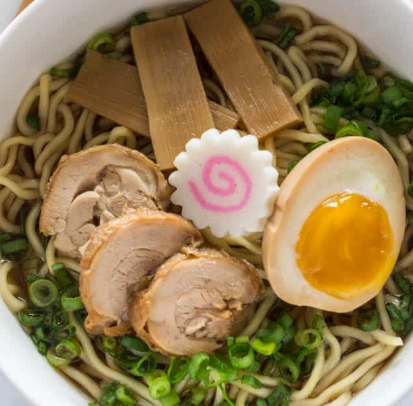
Ramen Questions You Were Too Embarrassed to Ask
So there you have it. Traditional ramen isn't a monolith. It's a spectrum of flavors, from the clear, refined shio of Tokyo to the bone-melting tonkotsu of Fukuoka. The best way to learn is to eat. Start with a classic shoyu, brave the line for a tonkotsu, and don't be afraid to point at a picture on a vending machine. Just remember to slurp. Now go get a bowl.
Reader Comments