In This Guide
Let's be honest, when you think of Japanese drinks, you probably picture a steaming bowl of matcha in a serene tea ceremony, or maybe a cold glass of sake at a sushi bar. It feels... distant. Like something you need a plane ticket to experience properly. I used to think that too. Then I spent a good chunk of time trying to recreate those flavors in my own kitchen, with mixed results (some glorious, some... not so much). The truth is, a lot of Japanese drinks recipes are surprisingly approachable once you get past the mystique. You don't need a full tea master's certification to make a decent cup of sencha, and you definitely don't need to be a bartender to mix a tasty yuzu highball.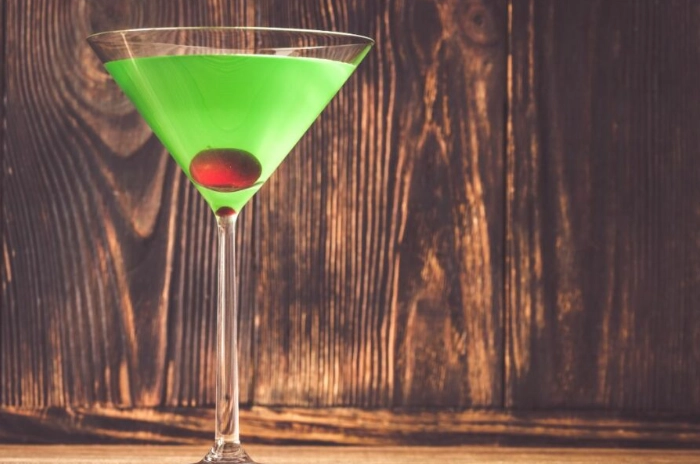
This guide is here to tear down that wall. We're going to walk through the whole landscape, from the teas that are a daily ritual to the cocktails that light up an izakaya (that's a Japanese pub, by the way). I'll share the recipes that actually work, point out where you can cut corners (and where you absolutely shouldn't), and hopefully save you from the pitfalls I stumbled into. Because nothing's worse than buying expensive matcha powder only to end up with a bitter, clumpy mess.
Why bother? Well, making these drinks yourself is more than just following steps. It's a little window into the culture—the emphasis on seasonality, the respect for ingredients, the balance of flavors. Plus, it's just fun to impress your friends with something beyond the usual gin and tonic.
Starting at the Source: Japanese Tea, Beyond the Ceremony
Most people's journey into Japanese drinks recipes begins with tea. And why not? It's the cornerstone. But “green tea” in Japan isn't one thing; it's a whole family with distinct personalities. Treating them all the same is the first big mistake.
Key Insight: The main difference between most Japanese green teas comes down to shading and steaming. Shading (like for gyokuro and matcha) boosts chlorophyll and theanine (that's the stuff responsible for umami and sweetness). Steaming halts oxidation, preserving that vibrant green color and fresh, grassy flavor distinct from Chinese pan-fired teas.
Sencha: Your Everyday Go-To
This is the workhorse, the tea you'll find in most homes. It's sun-grown, steamed, and has a perfect balance of sweetness, astringency, and that signature *umami* kick. Getting it right is simple, but the details matter.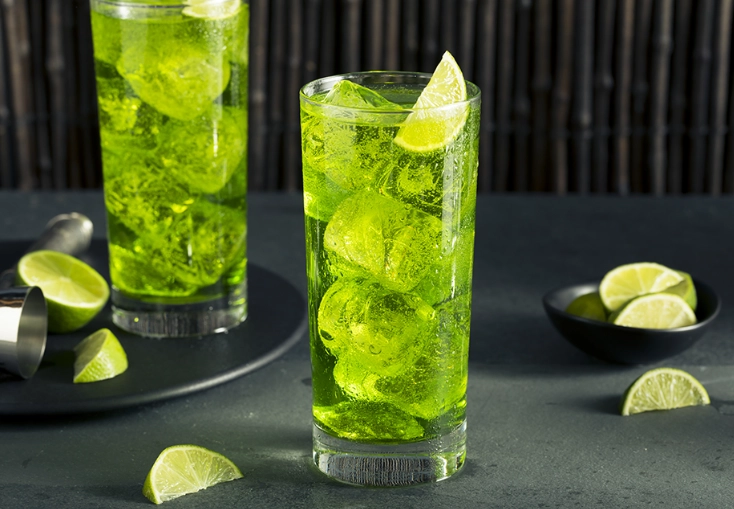
My Go-To Sencha Recipe:
- What you need: 2 teaspoons (about 4 grams) of good quality sencha leaves, a teapot (a *kyusu* is ideal, but any small pot works), and about 200ml (just under a cup) of water.
- The Water: This is crucial. Never use boiling water. It scalds the leaves and makes the tea bitter. Aim for 70-80°C (158-176°F). An easy trick? Boil your water, then pour it into an empty cup or jug and let it sit for 2-3 minutes before using it on the leaves.
- The Process: Put the leaves in the pot. Pour the cooled water over them. Let it steep for only about 60 seconds for the first infusion. Seriously, set a timer. Over-steeping is the enemy of good sencha. Pour out every last drop into your cups to prevent the leaves from stewing.
- You can usually get a second and even third infusion. For the second, use slightly hotter water (around 80°C) and steep for just 30 seconds.
Taste test.
If your sencha is unpleasantly bitter, your water was too hot or you steeped it too long. If it tastes weak and flat, you might need more leaves. Adjust from there. It's not rocket science, it's practice.
Matcha: The Art of the Whisk
Ah, matcha. The superstar. The one that's all over Instagram. Making ceremonial-grade matcha at home is one of the most satisfying Japanese drinks recipes to master. It's also where people get intimidated. You need a few specific tools: a bamboo whisk (*chasen*), a scoop (*chashaku*), and a bowl (*chawan*). You can find decent starter sets online without breaking the bank.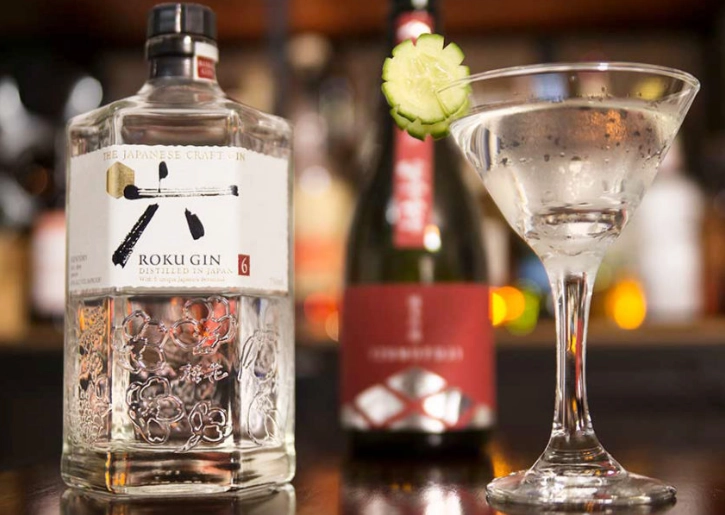
A Word on Quality: Do not, I repeat, do not use “culinary grade” matcha for drinking. It's meant for baking and tastes harsh and bitter on its own. Look for “ceremonial grade.” Yes, it's pricier, but you use a small amount and the flavor difference is night and day. I made this mistake once and almost gave up on matcha entirely.
The Step-by-Step Whisk:
- Warm Up: Pour a little hot water into your bowl to warm it, then discard that water. Dry the bowl. This helps the matcha whisk smoothly.
- Sift: This is a non-negotiable step for me. Use a fine mesh strainer to sift 1.5 to 2 scoops (about 1-2 grams) of matcha powder into the bowl. This prevents clumps.
- Add Water: Pour in about 70ml of hot water (again, not boiling! Aim for 80°C).
- The Whisking Motion: Hold the whisk loosely. You're not stirring. You're making a quick, gentle “M” or “W” shape motion back and forth in the liquid, just until a fine froth with tiny bubbles forms on top. Don't go crazy and scrape the bottom of the bowl—you'll damage the whisk tines. It should take 15-20 seconds.
- Drink it immediately, right from the bowl. The combination of the creamy froth and the intense, sweet-umami flavor underneath is the whole point.
For a more casual *usucha* (thin tea), use more water. For a thicker, more intense *koicha*, use more powder and less water, and whisk more slowly to a paste-like consistency. It's potent stuff!
If you want to dive deeper into the history and specifics of tea cultivation, the Japanese Tea Sommelier Association has some fantastic, well-sourced resources that go beyond the basics.
Other Teas Worth Your Time
Sencha and matcha get the spotlight, but the tea aisle has more players.
- Hojicha: This is roasted green tea (often sencha or bancha). The roasting process turns the leaves brown and gives it a warm, toasty, almost nutty flavor with zero bitterness. It's caffeine-low, so it's perfect for the evening. Brew it like sencha, but you can use hotter water (90-95°C).
- Genmaicha: Green tea mixed with roasted brown rice. It has a lovely popcorn-like aroma and a mild, savory taste. It's very forgiving to brew.
- Gyokuro: The luxury option. It's shaded for even longer than matcha, then steamed. The flavor is intensely sweet and umami, almost brothy. It requires even cooler water (50-60°C) and a careful hand. Save this for when you've mastered sencha.
See? The world of Japanese tea is vast. And we haven't even gotten to the fun stuff yet.
The Social Sip: Japanese Alcohol & Cocktail Recipes
This is where Japanese drinks recipes get really creative. It's not just about sipping straight sake (though that's great too). It's about mixing, blending, and creating drinks that are refreshing, complex, and often surprisingly simple.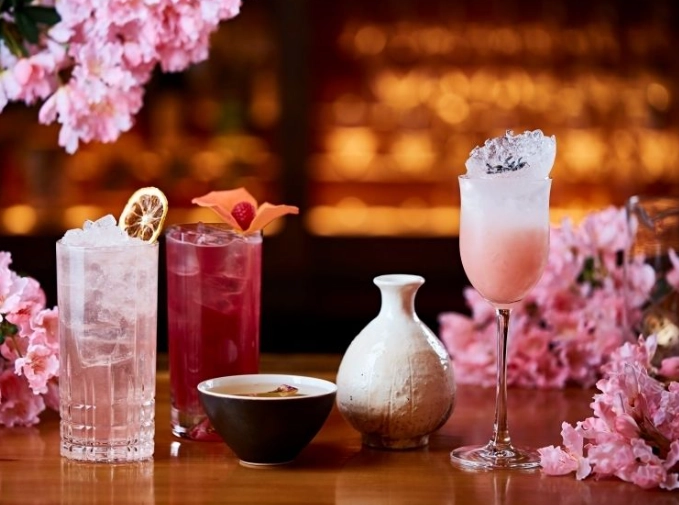
Sake 101: Not All Sake is Hot
Let's clear this up: heating sake is traditionally for specific, often lower-quality, styles to mask imperfections. Most good premium sake (*ginjo*, *daiginjo*) is best enjoyed chilled, like a white wine, to appreciate its delicate fruity and floral notes.
Quick Tip: When looking at a sake bottle, the “seimaibuai” (rice polishing ratio) is a good clue. A lower percentage (like 50% or 60%) means more of the outer grain has been polished away, typically resulting in a more refined, aromatic, and often pricier sake.
For a reliable deep dive into sake types and breweries, checking out the website of established breweries like Hakkaisan or resources from the Sake School of America can give you authentic producer perspectives.
Cocktails You Can Actually Make
Japanese cocktails often highlight one clear, clean spirit and complement it with a seasonal fruit or herbal note. They're elegant without being fussy.
Here are a few foundational Japanese drinks recipes for cocktails:
The Yuzu Highball
This is my absolute favorite for summer. A highball is just a spirit and sparkling water, but the Japanese version is an exercise in precision.
- Fill a tall glass with ice (the key is to use one solid, large cube or many small ones to minimize dilution).
- Pour 50ml of a good Japanese whisky (Suntory Kakubin or Toki are great affordable starters) over the ice.
- Add 15ml of fresh yuzu juice (if you can find it; bottled yuzu juice works in a pinch, or use a mix of lemon and grapefruit).
- Stir gently just once or twice.
- Slowly top up with 120-150ml of chilled soda water, pouring it down the side of the glass to preserve the bubbles.
- Give it one more gentle stir. Garnish with a twist of yuzu or lemon peel. The result is incredibly refreshing, crisp, and way more than the sum of its parts.
The Umeshu Sour
Umeshu is Japanese plum wine, sweet and tangy. Making your own is a long-term project (steep unripe plums in shochu and sugar for months), but good store-bought stuff is easy to find.
- In a cocktail shaker, combine 50ml umeshu, 30ml shochu or vodka, and 25ml fresh lemon juice.
- Add a handful of ice and shake hard until the outside of the shaker is frosty.
- Strain into a rocks glass over fresh ice. So simple, so good. The perfect balance of sweet and sour.
The Matcha Gin Fizz
A modern twist that bridges the two worlds. It looks impressive but is straightforward.
- Sift 1 teaspoon of ceremonial matcha into a shaker. Add 30ml hot water and shake without ice until fully dissolved and frothy (this is called a “dry shake”).
- Add 50ml gin, 25ml fresh lemon juice, and 15ml simple syrup to the shaker.
- Now add ice and shake again, hard.
- Double-strain (to catch any matcha bits) into a tall glass. Top with 50ml of soda water. It's vibrant green, herbaceous from the gin, and has that wonderful matcha creaminess.
Playing with these Japanese drinks recipes for cocktails lets you explore a different side of the flavor profile.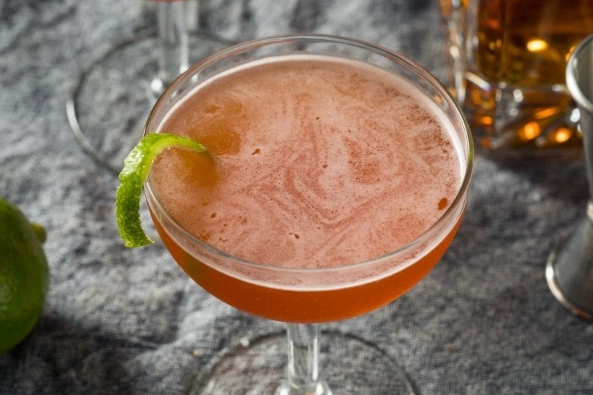
What If You Don't Drink? Amazing Non-Alcoholic Options
Japanese drinks recipes aren't just about tea and alcohol. The non-alcoholic scene is incredibly vibrant, focusing on unique flavors and textures.
Ramune: The Marble Soda Experience
This is pure nostalgia in a bottle. The iconic Codd-neck bottle with a marble seal is half the fun. The flavors range from classic lemon-lime to wild ones like melon, lychee, and even curry (yes, really).
How to open it? Push the plastic plunger down to push the marble into the bottle's neck chamber. The marble will rattle around as you drink, which is part of the charm. You can find these at most Asian grocery stores. It's less of a recipe and more of an experience, but it's a must-try.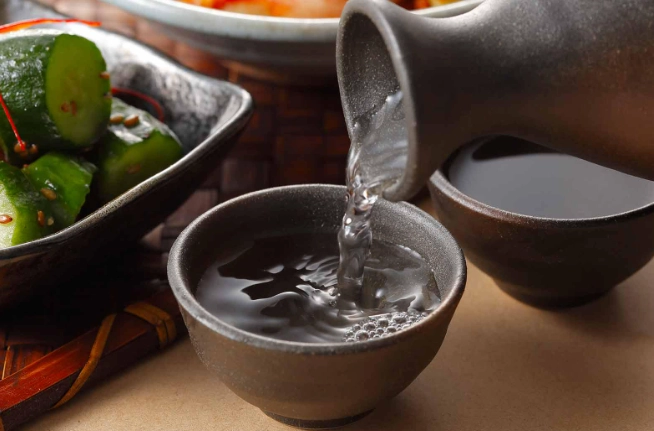
Calpis / Calpico: The Cult Favorite
This is a concentrated, milky-white, non-carbonated soft drink with a uniquely tangy, yogurt-like flavor. You dilute it with water or soda water (usually 1 part Calpico to 4 parts water/mixer). It's subtly sweet and incredibly refreshing on a hot day. Try it with soda water and a squeeze of lemon for a homemade soda.
Homemade Flavored Soy Milk & Mugicha
Beyond the store-bought stuff, you can make simple, healthy drinks easily.
- Matcha Soy Latte: Whisk 1 tsp matcha with a little hot water until smooth. Heat up unsweetened soy milk (don't boil it), and froth it if you can. Combine. Sweeten with a little honey or agave if you like. It's a creamy, protein-packed alternative to coffee shop versions.
- Mugicha (Barley Tea): This is the ultimate summer cooler in Japan. You can buy tea bags or loose roasted barley. Steep a handful in a pitcher of cold water in the fridge for 2-3 hours, or brew it hot and then chill it. It has a toasty, slightly bitter flavor that's incredibly thirst-quenching and caffeine-free. I always have a jug in my fridge during summer.
Essential Gear & Ingredients: What You Really Need
You don't need a fully stocked Japanese kitchen, but a few key items make all the difference.
| Item | What It Is | Is It Essential? | My Take / Alternative |
|---|---|---|---|
| Kyusu (Teapot) | A side-handled teapot, often with a built-in mesh strainer. | For loose-leaf tea, Highly Recommended | The design allows leaves to unfurl fully. A small infuser basket in any pot works, but isn't quite the same. |
| Chasen (Bamboo Whisk) | Used specifically for whisking matcha into a froth. | Absolutely for matcha | A small kitchen whisk or milk frother will not create the right texture. This is the one tool I wouldn't skip for matcha. |
| Good Quality Matcha | Ceremonial-grade, vibrant green powder. | Absolutely | Culinary grade will disappoint for drinking. Invest in a small tin of the good stuff from a reputable vendor. |
| Yuzu Juice | Tangy, aromatic Japanese citrus juice. | Nice to have | Bottled is fine for cocktails. A mix of lemon, lime, and grapefruit zest/juice can approximate it in a pinch. |
| Sencha Leaves | Loose-leaf green tea. | Highly Recommended | Tea bags are convenient but often contain dust and fannings. Whole leaves offer vastly superior flavor for multiple infusions. |
Start with a good sencha and a matcha set. Build from there based on what you enjoy making most.
Answering Your Questions (The FAQ Corner)
Bringing It All Together: Your Next Steps
So where do you start with all these Japanese drinks recipes? Don't try to do everything at once. That's a recipe for overwhelm and a crowded pantry.
Pick one category that calls to you.
Is it the quiet ritual of tea? Grab some sencha and a small pot. Master that one brew. Feel the difference water temperature makes.
Is it the social joy of a shared cocktail? Buy a bottle of umeshu and some lemons. Whip up a round of Umeshu Sours for your friends this weekend.
Or maybe it's just beating the heat. Make a pitcher of mugicha and let it cold-brew in your fridge.
The goal isn't perfection.
It's exploration. Each of these drinks tells a little story about place and season. Making them yourself connects you to that story in a small, tangible way. You'll mess up sometimes (I still occasionally zone out and over-steep my sencha). But you'll also have those moments of “wow, I made this?” that are incredibly rewarding.
The world of Japanese drinks recipes is deep, but it's also welcoming. Start simple, pay attention to the key details (water temp for tea, quality of matcha, balancing sweet and sour in cocktails), and most importantly, enjoy the process of tasting and learning. Kampai! (That's “cheers,” by the way).
Reader Comments