Quick Guide
- From British Ships to Japanese Kitchens: A Quick History Lesson
- The Heart of the Matter: Key Ingredients That Define Japanese Curry
- Flavor Profile: Sweet, Savory, and Oh-So-Comforting
- Cooking Method: Why Japanese Curry is So Darn Easy to Make
- Regional Twists: How Japanese Curry Varies Across Japan
- Common Questions: Answering What You Really Want to Know
- My Personal Take: The Love and the Critiques
- How to Make Japanese Curry at Home: A Simple Recipe to Try
- Wrapping Up: Why Japanese Curry Stands Out
I still remember my first encounter with Japanese curry. I was in a cozy little diner in Kyoto, tired from sightseeing, and I ordered it almost by accident. When the bowl arrived—steaming, thick, and aromatic—I took one bite and thought, "This is nothing like the Indian curry I grew up with." It was sweeter, milder, and somehow more comforting. That moment got me hooked, and I've been exploring this dish ever since. So, what makes Japanese curry different? Buckle up, because we're diving deep into every nook and cranny.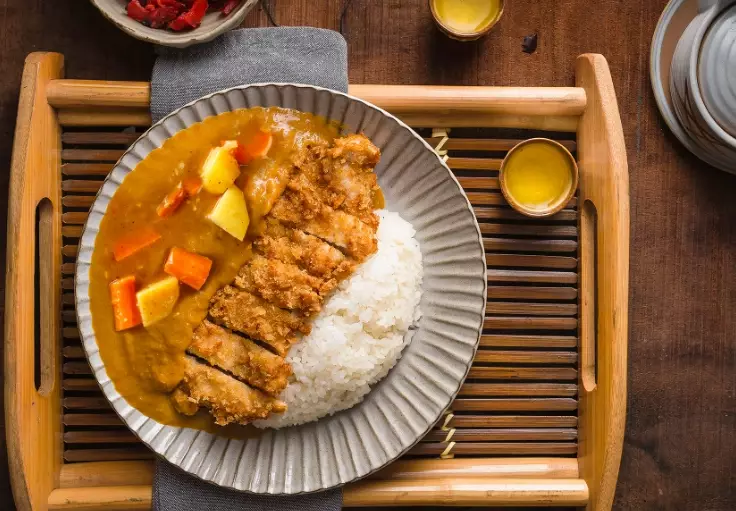
It's not just about taste; it's a whole cultural experience.
You might have stumbled upon Japanese curry in a restaurant or seen those boxed roux blocks in an Asian grocery store. Maybe you've tried it and wondered why it feels so distinct from Thai or Indian versions. Well, you're not alone. In Japan, curry is a national obsession—it's served in homes, schools, and even at baseball games. But what sets it apart? Let's break it down without any fluff.
From British Ships to Japanese Kitchens: A Quick History Lesson
Here's a fun fact: Japanese curry didn't come directly from India. Nope, it arrived via the British in the late 1800s. The British had toned down Indian curries to suit their palates, making them milder and thicker with a roux base. When this version reached Japan, probably through naval exchanges, the Japanese tweaked it further. By the early 1900s, the Japanese Navy adopted curry because it was easy to cook in large batches and kept well on ships. From there, it spread like wildfire.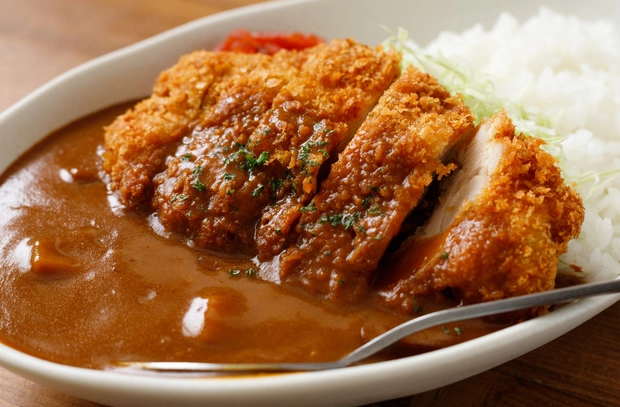
By the 1960s, companies like House Foods started selling instant curry roux blocks, and that's when Japanese curry became a household staple. Today, it's a comfort food that rivals ramen in popularity. This history is key to understanding what makes Japanese curry different—it's a fusion dish that evolved through practicality and local tastes.
If you're curious about the historical details, the Japan National Tourism Organization has a great article on how curry became part of Japanese culture. It's worth a read if you love food history.
The Heart of the Matter: Key Ingredients That Define Japanese Curry
When you ask, "What makes Japanese curry different?" the ingredients are a huge part of the answer. Unlike other curries that rely on fresh spice blends, Japanese curry often starts with a pre-made roux. But there's more to it.
The Roux – The Magic Block of Flavor
Japanese curry roux is a game-changer. It's a solid block made from fat (like butter or palm oil), flour, and a blend of spices. You melt it into your stew, and voilà—you get that thick, gravy-like consistency. The roux comes in varieties: mild, medium hot, and hot. But even the hot one is pretty tame compared to, say, a vindaloo. I've tried making roux from scratch, and it's a pain—the store-bought versions are so convenient, though they can be salty. That's a trade-off.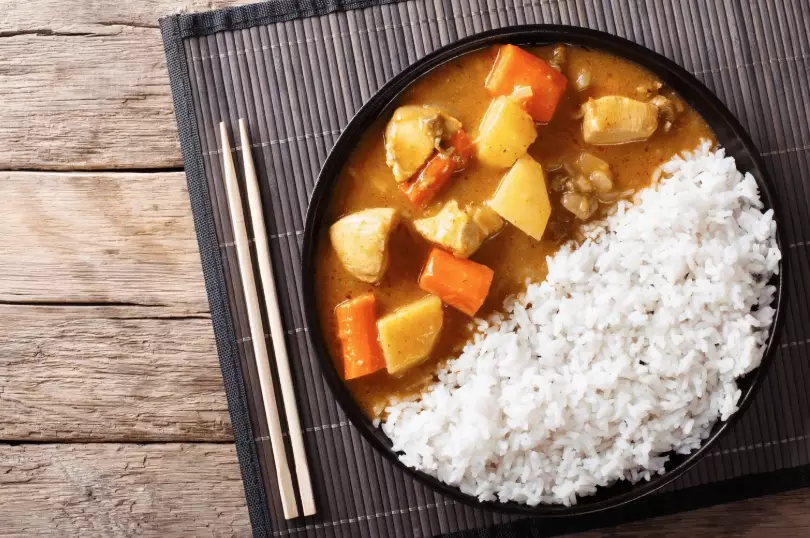
Pro tip: If you're health-conscious, look for low-sodium roux or make your own with whole wheat flour and less butter. It takes more time, but the flavor is richer.
The Holy Trinity: Onions, Carrots, and Potatoes
Almost every Japanese curry includes these three vegetables, cut into big chunks. They add sweetness (from carrots), heartiness (from potatoes), and a savory base (from onions). Sometimes, people throw in apples or honey for extra sweetness—yeah, fruit in curry! It sounds weird, but it works. I once added a grated apple to my curry, and it gave it this subtle fruity note that balanced the umami.
For protein, beef is classic (like in beef curry), but chicken and pork are common too. Seafood versions exist, especially in coastal areas, and vegetarian options with tofu or mushrooms are getting popular. What makes Japanese curry different here is the simplicity—you don't need a long list of exotic ingredients.
Umami Boosters: Soy Sauce, Dashi, and More
Japanese cuisine loves umami, and curry is no exception. Many recipes include soy sauce, dashi (a fish and kelp stock), or even Worcestershire sauce. These add a deep, savory layer that makes the curry more satisfying. I remember adding a splash of soy sauce to my pot once, and it transformed the flavor from flat to fantastic. If you want to geek out on umami, the Umami Information Center has cool resources on how it works in cooking.
Flavor Profile: Sweet, Savory, and Oh-So-Comforting
Let's talk taste. Japanese curry is often described as sweet and mild, but that's oversimplifying. It's a complex blend of sweet, savory, and umami, with very little heat. The sweetness usually comes from ingredients like carrots, onions, and sometimes added sugar or fruit. The savoriness is from the roux and umami boosters. And the mildness? Well, it's designed to appeal to everyone, including kids.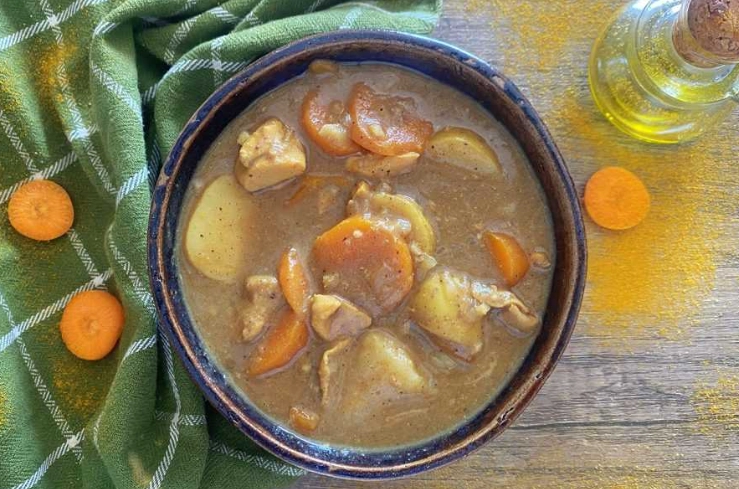
I've had friends who hate spicy food fall in love with Japanese curry because it's so approachable. But if you're a heat seeker, you might find it bland. That's the thing—what makes Japanese curry different is its focus on comfort over adventure.
Compared to Indian curry, which can be fiery and aromatic, or Thai curry, which is coconutty and herbal, Japanese curry is like a warm blanket. It's hearty, filling, and perfect for a cozy night in. Here's a quick comparison to visualize it:
| Aspect | Japanese Curry | Indian Curry | Thai Curry |
|---|---|---|---|
| Base | Roux-based, thick gravy | Tomato, yogurt, or coconut milk-based | Coconut milk-based, often thinner |
| Spices | Curry powder blend, mild and sweet | Individual spices (e.g., cumin, turmeric), freshly ground | Fresh herbs (e.g., lemongrass, galangal), pungent |
| Heat Level | Generally mild, with subtle sweetness | Can range from mild to very spicy | Moderate to spicy, with chili heat |
| Common Ingredients | Onions, carrots, potatoes, beef/chicken | Lentils, vegetables, meats, varied by region | Bamboo shoots, basil, seafood or chicken |
| Serving Style | With rice, often topped with tonkatsu | With rice, naan, or roti | With rice or noodles |
| Flavor Focus | Umami and sweetness, comforting | Complex spice blends, aromatic | Herbal and coconutty, bright |
See the pattern? What makes Japanese curry different is its unique position as a fusion comfort food. It's not trying to be authentic to any one cuisine—it's its own thing.
Cooking Method: Why Japanese Curry is So Darn Easy to Make
One of the biggest draws of Japanese curry is its simplicity. With those roux blocks, you can whip up a decent curry in under an hour. Here's a typical process:
- Sauté the meat and vegetables: Usually, you brown some beef or chicken, then add chopped onions, carrots, and potatoes. Cook until they soften a bit.
- Add water and simmer: Pour in enough water to cover everything, and let it simmer until the vegetables are tender. This can take 20-30 minutes.
- Stir in the roux: Break the roux blocks into the pot, stir until dissolved, and let it thicken for another 10 minutes.
- Serve over rice: That's it! Sometimes, people add extras like boiled eggs or fukujinzuke (pickled vegetables).
I've made this on busy weeknights, and it's a lifesaver. But here's a downside: the roux blocks can make the curry taste a bit generic if you use them all the time. To elevate it, I sometimes add a tablespoon of tomato paste or a dash of red wine for depth. Experimenting is half the fun.
Convenience is king, but homemade touches make it special.
Regional Twists: How Japanese Curry Varies Across Japan
Japan isn't a monolith, and neither is its curry. Different regions have their own spins, which adds to what makes Japanese curry different. Here are a few notable ones:
- Hokkaido Curry: From the northern island, often includes dairy like butter or cream, making it richer. Sometimes, they add seafood like scallops.
- Okinawa Curry: Influenced by American and Taiwanese flavors, it might include spam or goya (bitter melon). It's a fusion on top of a fusion!
- Katsu Curry: Probably the most famous version outside Japan—curry served with tonkatsu (breaded pork cutlet) on top. The crunch contrasts beautifully with the soft curry.
- Soup Curry: Popular in Sapporo, this is a lighter, soupier version with more broth and less roux. It's often loaded with vegetables and chicken.
I tried soup curry on a trip to Hokkaido, and it was a revelation—less heavy, but still packed with flavor. If you're ever in Japan, seeking out these regional varieties is a must.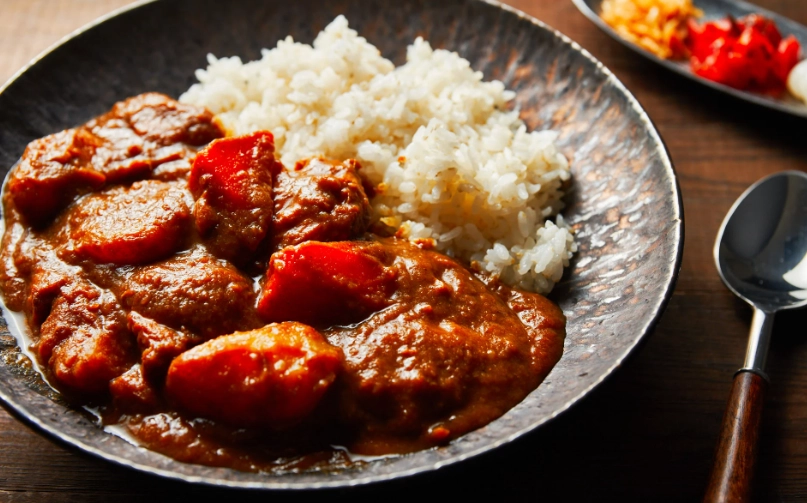
Common Questions: Answering What You Really Want to Know
Over the years, I've gotten tons of questions about Japanese curry. Here are some of the most frequent ones, with straight-up answers.
Is Japanese curry healthy?
It can be, but it depends. The roux blocks are often high in sodium and fat, so if you're watching your diet, go easy or make your own. On the plus side, it's packed with vegetables and protein. I'd say it's a balanced meal if you control the portions and ingredients.
Can I freeze Japanese curry?
Absolutely! It freezes really well. Just store it in airtight containers, and it'll last for months. Reheat it on the stove or microwave—it tastes almost as good as fresh. I always make a big batch and freeze some for lazy days.
What makes Japanese curry different from Korean curry?
Korean curry is similar but often spicier and less sweet. It might include gochujang (chili paste) or other Korean spices. Both are roux-based, but Korean versions tend to have a bolder kick. Honestly, I prefer Japanese curry for its subtlety, but it's a matter of taste.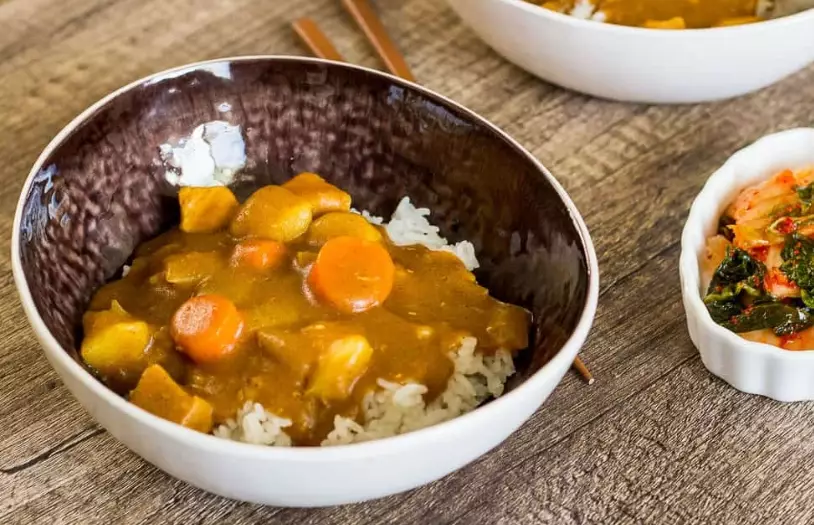
Why is Japanese curry so popular in Japan?
It's cheap, easy to make, and universally liked. Schools serve it because kids love it, and it's a nostalgic dish for adults. Plus, it's adaptable—you can tweak it to your liking. The Japanese Ministry of Agriculture, Forestry and Fisheries even promotes curry as part of food culture, which shows its importance.
Can I make Japanese curry without roux blocks?
Yes, but it's more work. You'll need to make a roux from butter and flour, then add curry powder and other spices. It's worth trying once to appreciate the convenience of the blocks. I've done it, and while the flavor was deeper, I missed the ease of just tossing in a block.
My Personal Take: The Love and the Critiques
Let's get personal. I adore Japanese curry for its comfort factor. On a rainy day, nothing beats a hot bowl with fluffy rice. It's the ultimate feel-good food. But I have to be honest—it's not perfect.
Sometimes, Japanese curry can be too sweet. I've had versions that tasted like dessert, which threw me off. And if you rely solely on roux blocks, it can get monotonous. I've also noticed that in some restaurants, the curry is gloopy and artificial-tasting, probably from cheap ingredients.
But when it's done right, with fresh vegetables and a homemade touch, it's magical. I love adding a pinch of garam masala or some grated ginger to give it a twist. It's a dish that welcomes experimentation.
How to Make Japanese Curry at Home: A Simple Recipe to Try
If you're inspired to cook, here's a basic recipe that I use. It serves four and takes about 45 minutes.
- 500g beef or chicken, cut into bite-sized pieces
- 2 onions, chopped
- 2 carrots, cut into chunks
- 2 potatoes, cut into chunks
- 1 tablespoon oil
- 800ml water
- 1 package of Japanese curry roux (mild or hot, your choice)
- Optional: 1 apple, grated, or 1 tablespoon honey
- Optional: 1 tablespoon soy sauce or dashi powder
- Heat oil in a large pot. Brown the meat over medium heat.
- Add onions, carrots, and potatoes. Sauté for 5-7 minutes until slightly softened.
- Pour in water. Bring to a boil, then reduce heat and simmer for 20 minutes, or until vegetables are tender.
- Break the curry roux into small pieces and stir into the pot until fully dissolved.
- Simmer for another 10 minutes, stirring occasionally, until thickened.
- If using, add grated apple, honey, or soy sauce. Adjust seasoning to taste.
- Serve over steamed rice. Enjoy hot!
This is a no-fuss version that always works. Feel free to tweak it—add mushrooms, use tofu instead of meat, or throw in some spinach at the end. Cooking should be fun, not rigid.
Wrapping Up: Why Japanese Curry Stands Out
So, what makes Japanese curry different? It's the fusion history, the convenient roux base, the sweet-savory umami flavor, and its role as comfort food. It's not about intense spice or authenticity; it's about warmth and accessibility. Whether you're a curious foodie or a busy home cook, Japanese curry offers something unique.
A friend from Osaka once told me, "Japanese curry is like a hug from the inside." Cheesy, but true.
If you haven't tried it yet, grab a roux block and give it a go. Or visit a Japanese restaurant and order the katsu curry—you won't regret it. And if you're diving deeper, check out resources like BBC Good Food's recipe for a trusted take, or browse Japanese cooking blogs for inspiration.
At the end of the day, what makes Japanese curry different is its ability to adapt and comfort. It's a dish that tells a story of cultural exchange, simplicity, and pure deliciousness. Now, if you'll excuse me, I'm off to make a pot—my stomach's rumbling just thinking about it.
Reader Comments